Emotional Design
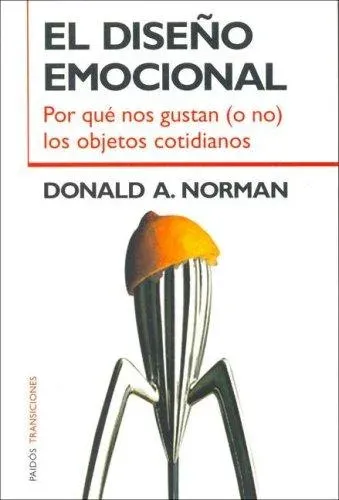
Donald Norman's Emotional Design argues that emotion is not a decoration on top of cognition but central to how people understand the world and learn new things, and that it shapes how they process information and make decisions. Attractive things, on this argument, work better, because an object that appeals to the senses invites an affinity that carries over into use. Norman adapts the classical three-part model of attitudes into three levels of design. The visceral level covers immediate, largely unconscious reactions to look, feel, smell and sound, where first impressions form and where colour, texture and shape do their work. The behavioural level is about use and function, and should be human centred, grounded in study of the people who will use the thing and the homes, schools and workplaces where they will use it. The reflective level is where a product acquires meaning, through bonds built up over time and shaped by cultural, social and personal factors, and where prestige and identity enter. Most objects are perceived on all three levels at once, so good design addresses all three. Norman also holds that technology should bring richness and enjoyment, not merely better performance of tasks.
Written from the encyclopaedia article on Emotional Design at Wikipedia.
What this vault takes from it
Reliability
Not audited here. 1 note in this vault draws on it.
People
- Don Norman