Seeing Green
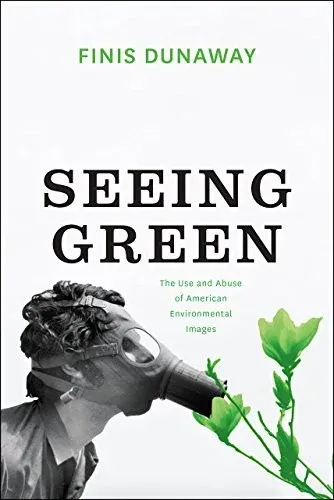
Finis Dunaway argues that American environmentalism has been defined by a small set of images, and that those images have shaped the movement as much as they have recorded it. The publisher's account names the icons: the so-called Crying Indian who shed a tear over litter and pollution, the cooling towers of Three Mile Island, oil-soaked wildlife after the Exxon Valdez spill, and Al Gore presenting his global warming slide show. Dunaway's claim is that most historical accounts of environmentalism ignore the part images played in making it, and that the images obscured other environmental truths in the process. Working across popular magazines, television news, advertisements, cartoons, films and political posters, and running from radioactive fallout and pesticides in the 1960s to global warming today, he identifies moments in which a media image provoked environmental anxiety and at the same time prescribed a narrow response. The central charge is that the media blamed individual consumers for environmental damage and so deflected attention from corporate and government responsibility, and that iconic imagery has therefore impeded efforts to imagine sustainable futures rather than helped them. The book is illustrated throughout and won the Association for Education in Journalism and Mass Communication history book award.
Written from the publisher's page for the book at the University of Chicago Press.
What this vault takes from it
Reliability
Not audited here. 2 notes in this vault draw on it.
People
- Finis Dunaway