The Chrysanthemum and the Sword
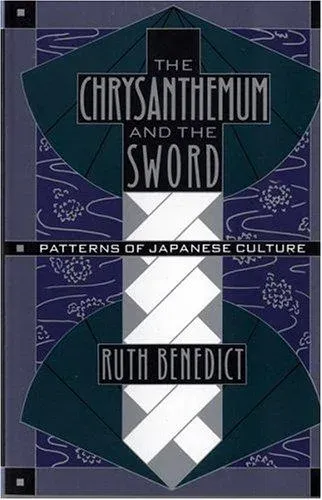
Ruth Benedict's study of Japan was compiled from analyses she carried out during the Second World War for the United States Office of War Information, which had asked her to help Americans understand and anticipate Japanese behaviour by working through a series of apparent contradictions in the culture. Unable to travel to wartime Japan, she used the method known as culture at a distance, drawing on literature, newspaper clippings, films and recordings, and on extensive interviews with Japanese Americans. Benedict argues that the Japanese are at once aggressive and unaggressive, militaristic and aesthetic, insolent and polite, rigid and adaptable, loyal and treacherous, brave and timid, and that these pairings are not incoherence but the expression of a single consistent cultural pattern. Conduct that puzzled American observers, such as prisoners of war who gave information freely and made no attempt to contact their families, becomes intelligible once that pattern is grasped. Her best known claim is the contrast she draws between Japan as a shame culture, where behaviour is regulated by the judgement of others, and Western societies as guilt cultures, where it is regulated by an internalised conscience. She also gives weight to the place of the emperor in Japanese life.
Written from the wikipedia article on the book.
What this vault takes from it
Reliability
Not audited here. 4 notes in this vault draw on it.
People
- Douglas Lummis
- Ruth Benedict