The Dopaminergic Mind in Human Evolution and History
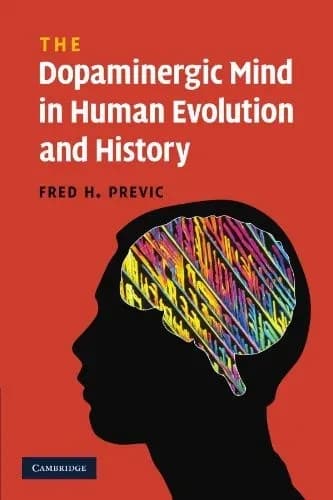
Fred Previc sets out a theory that high levels of dopamine account for the major features of modern human behaviour. He argues that an expansion of dopaminergic activity in the human brain, driven by epigenetic rather than genetic factors, is what separates humans from their primate relatives, and he traces its consequences across basic brain function, brain lateralisation, differences between the sexes, autonomic physiology, emotion, clinical disorders and religion. The dopaminergic mind, on this account, is responsible for the abstract, goal-directed and future-oriented style of thought that made planning, science and long-range achievement possible, and it carries a cost in a weakened engagement with the immediate physical and social world. Previc then carries the argument into history, reading the character of particular societies in the same terms, and he contrasts the great achievements of the dopaminergic mind with what he presents as the damaging effects of still rising dopamine levels in modern societies. The book closes with a critical examination of whether the dopaminergic mind that has evolved in humans remains adaptive, for human health and for the planet in general. Previc offers the theory as one that runs against mainstream thinking in the biological and social sciences.
Written from the publisher description, Cambridge University Press.
What this vault takes from it
Reliability
Not audited here. 2 notes in this vault draw on it.
People
- Fred Previc