The Ego and the Id
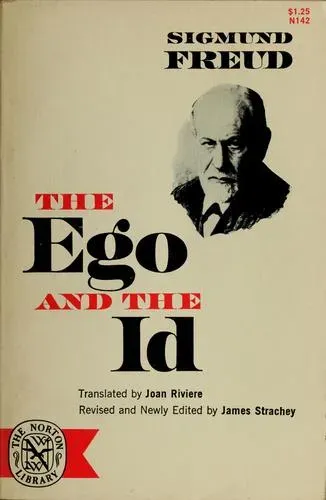
Freud's short treatise introduces the structural model of the mind that became fundamental to psychoanalysis, dividing the psyche into the id, the ego and the super ego. He begins from the premise that mental life divides into the conscious and the unconscious, and distinguishes preconscious ideas, which are latent but capable of becoming conscious, from repressed ideas, which cannot become conscious without analysis. He then argues that this division is insufficient, because the ego itself can be shown to contain unconscious processes, above all the act of repression, so that a new framework is required. The ego is presented as a system of perception and as a modified portion of the id shaped by contact with the external world, bound to the id as a rider is bound to a horse, obliged to direct it yet often carried where it wants to go. The super ego is formed through internalisation and through the resolution of the Oedipus complex, and exercises a moral authority that can turn against the ego with great severity. Freud sets the love instinct and the death instinct in tension across this structure, and concludes that the ego is the seat of anxiety, beset from three directions, by the id, by the super ego and by the external world.
Written from the wikipedia article on the book.
What this vault takes from it
Reliability
Not audited here. 1 note in this vault draws on it.
People
- Sigmund Freud