The Soldier and the State
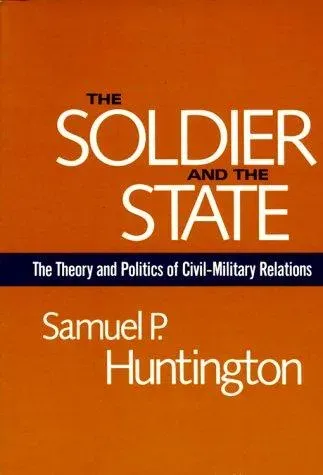
Samuel P. Huntington argues that the best way for a state to control its armed forces is to professionalise them. He calls this objective civilian control, and sets it against subjective control, which places legal and institutional restrictions on military autonomy and, in his account, reduces professionalism by drawing the officer corps into politics. The opening claim is that the modern officer corps is a professional body and the modern officer a professional man. Huntington defines a profession by expertise, responsibility and corporateness, then argues that the officer corps meets all three, holding specialised knowledge in the management of violence, owing an overarching responsibility to the society it serves, and maintaining a distinct corporate character through hierarchy, uniform, restricted entry and its own education. Professionalism binds both sides, since officers must comply with political authority while society must in turn defer to their expertise. He traces the profession's rise in the West, describes the military ethic as conservative realism that exalts obedience, and compares German and Japanese experience to argue that disrupting the civil-military balance undermines national security. The later chapters set that theory against American liberalism, the constitution and the demands of the Cold War.
Written from the wikipedia article on the book.
What this vault takes from it
Nothing yet. The title appears in the registry because it has been mentioned in passing, and no concept or person note currently draws on it.
Reliability
Not audited here. 0 notes in this vault draw on it.