Why We Love
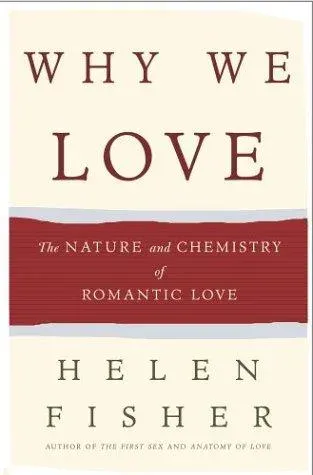
Why We Love: The Nature and Chemistry of Romantic Love sets out Helen Fisher's account of romantic love as a biological system rather than an emotion. Working with a team that scanned the brains of people who had recently fallen in love, Fisher reports that particular areas show increased activity, and argues from that result and from her wider anthropological work that romantic passion is built into the human brain by millions of years of evolution. Her central claim is that love is not an emotion at all but a drive, comparable in force and in single-mindedness to hunger, and directed at the winning of one particular partner. She distinguishes three related systems, lust, romantic attraction and attachment, holding that each evolved to serve a different purpose in mating and in the rearing of the young, and that they can operate independently of one another. Around that framework she gathers poetry, cross-cultural evidence and the testimony of people in love, and she turns at the end to practical questions, asking what the account implies for whom we choose, for why love ends, and for how it might be kept alive.
Written from the publisher description, Henry Holt.
What this vault takes from it
Reliability
Not audited here. 1 note in this vault draws on it.
People
- Helen Fisher