Parenting Styles
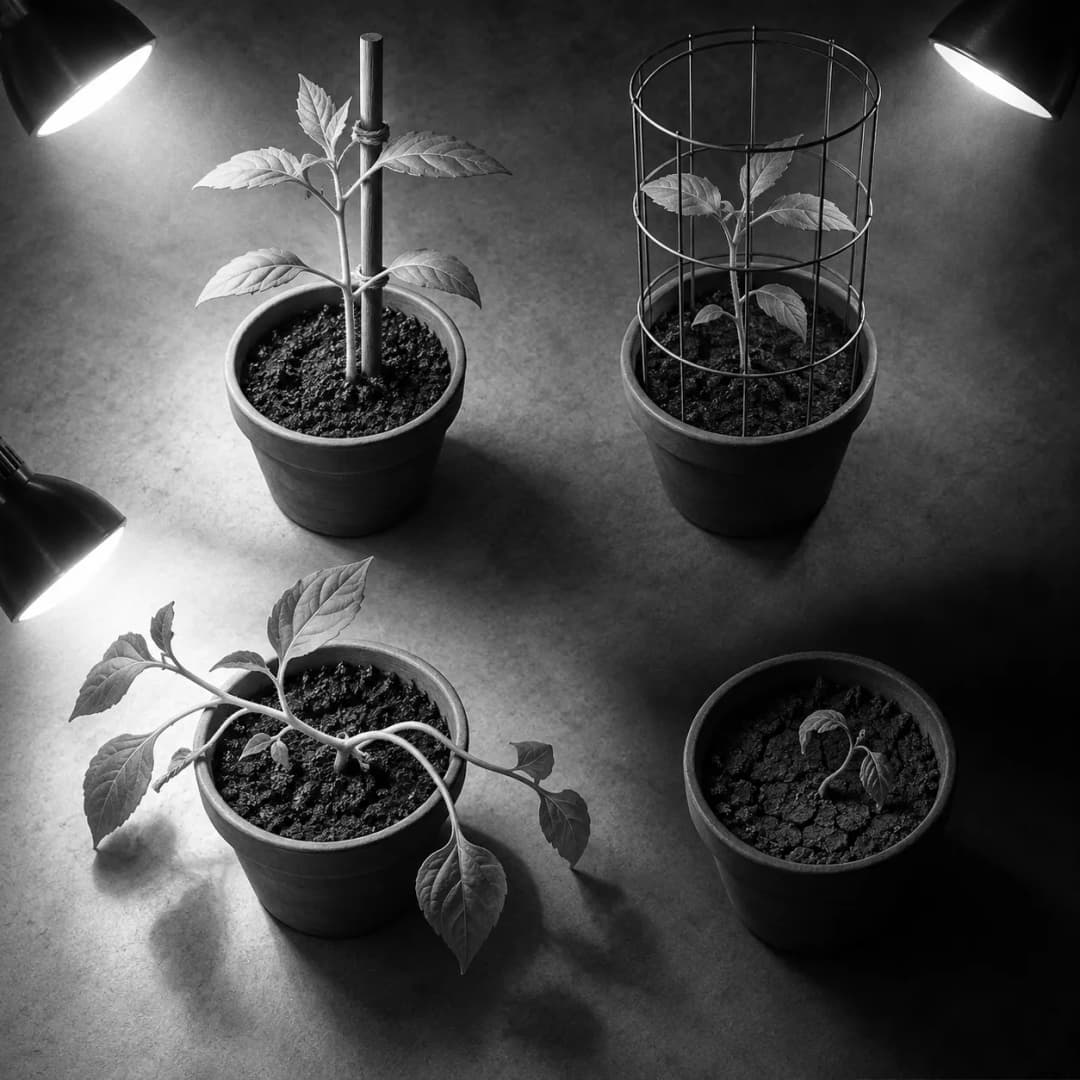
Parenting styles are the broad patterns in how parents combine warmth with control. The typology begins with Diana Baumrind's 1966 paper in Child Development, which described permissive, authoritarian and authoritative models of parental control and argued that authoritative control could produce children who were both well socialised and independent.
What it is
Later researchers sorted families on two dimensions, warmth and strictness, which gave four styles. Authoritative parents score high on both. Authoritarian parents are strict but low on warmth. Baumrind's permissive group was split in two: indulgent parents, who are warm but lax, and neglectful parents, who are neither warm nor strict. Fernando Garcia and Enrique Gracia's 2009 study of Spanish families used exactly this classification.
In effect
Martin Pinquart's 2017 meta-analysis of 1,435 studies found that warmth, behavioural control, autonomy granting and an authoritative style were associated with fewer externalizing problems such as aggression and rule-breaking, by very small to small margins. Harsh control, psychological control, and authoritarian, permissive and neglectful styles were associated with more, with harsh and psychological control showing the strongest links. The typology is the clearest way to separate gentle parenting that keeps limits, which sits close to the authoritative style, from gentle parenting that drops them, which sits close to the permissive one.
What it does not say
The typology does not say that one style is best everywhere. Garcia and Gracia found that among 1,416 Spanish teenagers, those from indulgent homes did as well as or better than those from authoritative homes, and concluded that the indulgent style was the optimum in Spain. Nor does it say that parenting simply causes children's behaviour: Pinquart found that several associations ran both ways, with children's behaviour also predicting later parenting. Most of the evidence is correlational. On physical punishment specifically, Elizabeth Gershoff's 2016 meta-analysis and Robert Larzelere's 2005 meta-analysis reached different conclusions about conditional use.
Sources
- Baumrind, D. (1966). Effects of authoritative parental control on child behavior. Child Development, 37(4), 887-907. doi:10.2307/1126611
- Pinquart, M. (2017). Associations of parenting dimensions and styles with externalizing problems of children and adolescents: an updated meta-analysis. Developmental Psychology, 53(5), 873-932. doi:10.1037/dev0000295
- Garcia, F., & Gracia, E. (2009). Is always authoritative the optimum parenting style? Evidence from Spanish families. Adolescence, 44(173), 101-131. PMID 19435170
- Gershoff, E. T., & Grogan-Kaylor, A. (2016). Spanking and child outcomes: old controversies and new meta-analyses. Journal of Family Psychology, 30(4), 453-469. doi:10.1037/fam0000191
- Larzelere, R. E., & Kuhn, B. R. (2005). Comparing child outcomes of physical punishment and alternative disciplinary tactics: a meta-analysis. Clinical Child and Family Psychology Review, 8(1), 1-37. doi:10.1007/s10567-005-2340-z