The Mind After Midnight
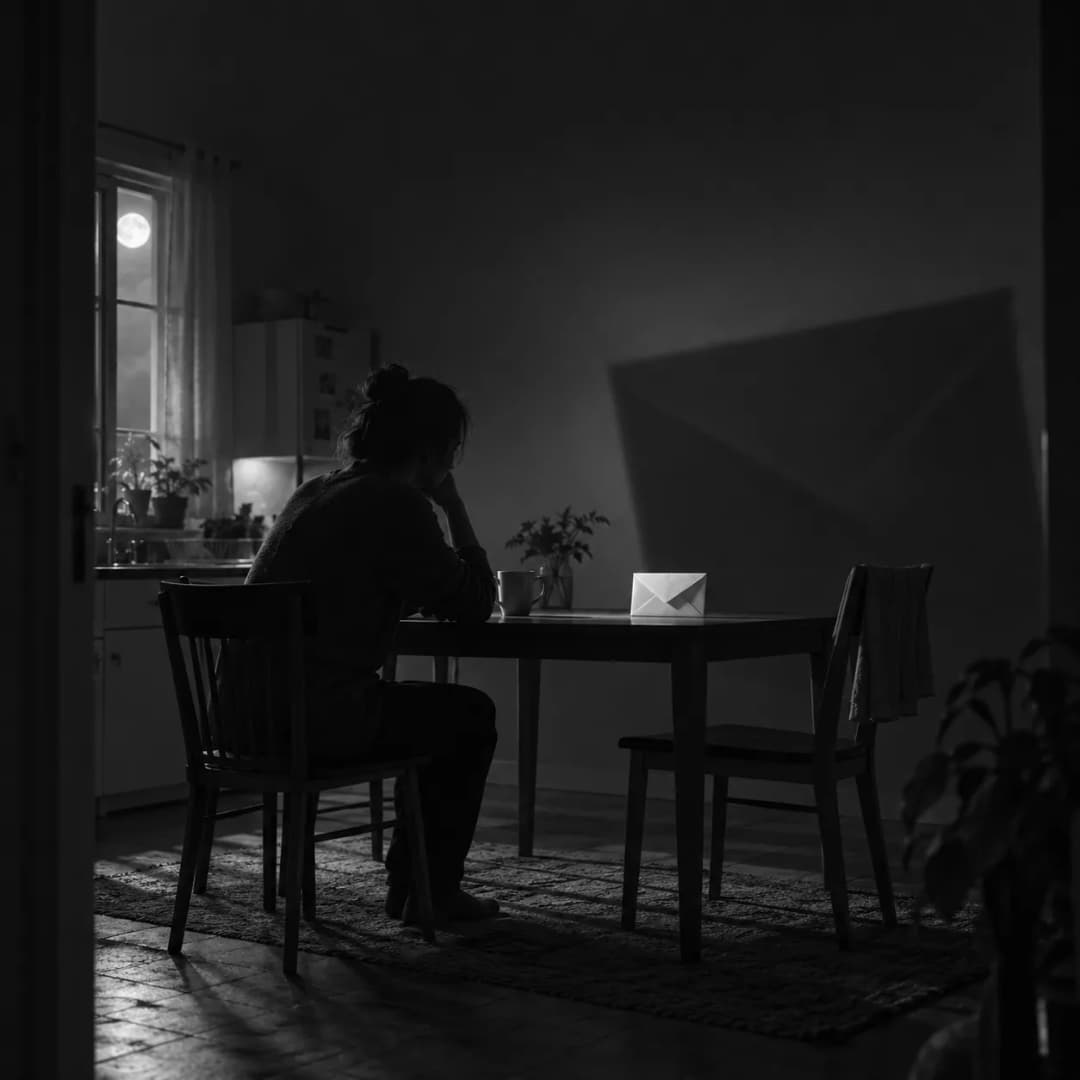
Andrew Tubbs and colleagues proposed in 2022 that being awake at night is not the same as being awake in the day. Missing sleep and sitting at the body clock's low point arrive together, so negative mood is near its peak, positive mood near its floor, the weighing of risk and reward is distorted, and the control the front of the brain usually exerts is reduced. This is a hypothesis and review paper rather than an experiment, and any use of it has to say so in the same sentence.
What it is
The paper assembles existing findings on circadian mood, on reward processing and on prefrontal control into a framework. It does not itself test that framework. Its components have independent support of varying strength, and where an argument needs one of them the right move is to cite that component directly rather than to cite the framework.
Tubbs is first author, with Fabian-Xosé Fernandez, Michael Grandner, Michael Perlis and Elizabeth Klerman, and it was published in Frontiers in Network Physiology in 2022.
In effect
What the framework is good for is explaining why a thought that would be manageable in the afternoon is unmanageable at four in the morning. Nothing about the thought has changed. The conditions under which it is being examined have.
A related and separate line of evidence is worth naming carefully. Losing a night's sleep does appear to amplify emotional reactivity: a small brain-imaging study by Seung-Schik Yoo, Ninad Gujar, Peter Hu, Ferenc Jolesz and Matthew Walker in 2007 reported amygdala responses to negative images substantially amplified after around thirty-five hours awake, with the connection between the amygdala and the front of the brain reduced. The often-quoted percentage attached to that study is traceable, to the university's own release rather than to the paper's abstract, and it rests on a sample of twenty-six participants. It should be quoted only with that caveat.
What it does not say
It does not report an experiment. It is a hypothesis and review, and describing it as a finding about what the brain does after midnight overstates it in exactly the way the authors did not.
It does not establish a mechanism for any particular hour. The framework is about a general nocturnal state, not about three or four in the morning, and the specific-hour version of the story is folklore.
It does not license the epidemiology that travels with it. The paper also reports that once the figures are adjusted for how many people are actually awake, standardised suicide risk is highest in the small hours. That half is deliberately not carried into general writing here. Writing read by people lying awake at night should not print it as a scare line, and if it is ever used it needs a support signpost in the same section.
This page describes a published hypothesis and the evidence around it. It carries no protocol and no advice, and anyone whose night-time distress is persistent should take that to a clinician rather than to a framework paper.
Sources
- Tubbs, A. S., Fernandez, F.-X., Grandner, M. A., Perlis, M. L., & Klerman, E. B. (2022). "The Mind After Midnight: Nocturnal wakefulness, behavioral dysregulation, and psychopathology." Frontiers in Network Physiology, 1, 830338. A hypothesis and review paper, not an experiment. Read at abstract level in the vault's verification pass.
- Yoo, S.-S., Gujar, N., Hu, P., Jolesz, F. A., & Walker, M. P. (2007). "The human emotional brain without sleep: A prefrontal amygdala disconnect." Current Biology, 17(20), R877-R878. A small imaging study, 26 participants. The figure of amygdala responses "over 60% more reactive" after about 35 hours awake comes from the university's press release for that study rather than from the abstract, and should be quoted only with the sample-size caveat.
- Vault verification pass, 2026-09-25. Verdict: not-a-research-claim, superseding the earlier inline unverified tag on this note. Correction recorded in that pass: the 60 per cent figure is traceable to the Berkeley release and should be labelled small-sample rather than unconfirmable.
- The suicide epidemiology in the Tubbs paper is not carried into articles on this subject, as a standing editorial decision. If it is used anywhere, it requires a support signpost in the same section.