Matthew Salganik
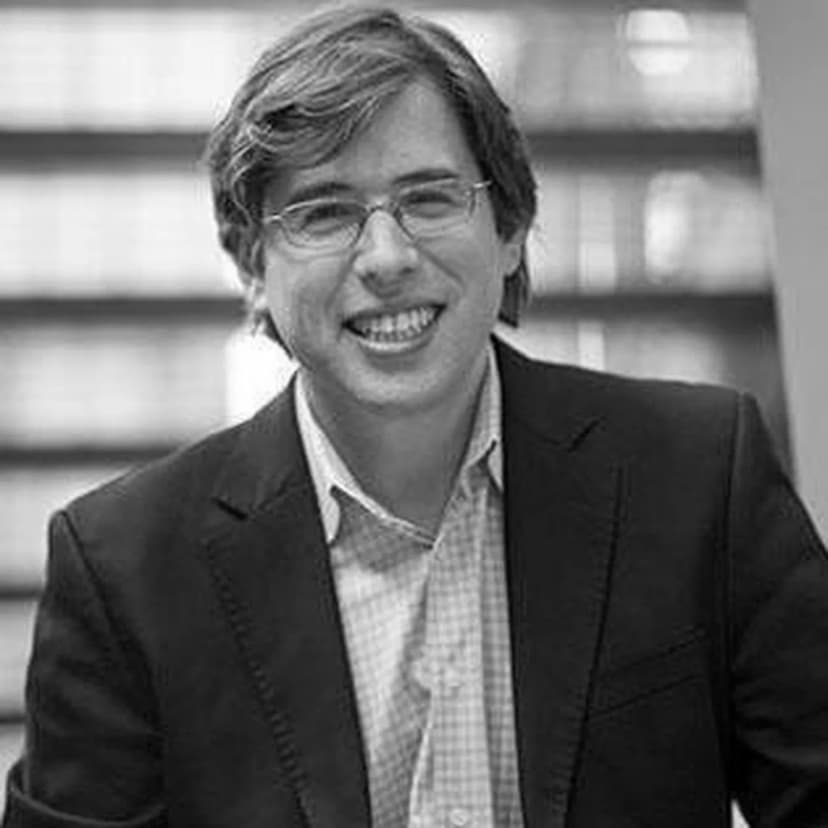
Sociologist at Princeton, first author of the artificial music market that showed social influence raises both the inequality and the unpredictability of which songs succeed. The design, not the result, is what makes it the best evidence in the area.
Who they are
Salganik works in computational social science, using the web as an experimental instrument rather than as a source of observational data.
The 2006 paper in Science, with Peter Dodds and Duncan Watts, took a question the music industry cannot answer and made it experimental. 14,341 participants were given unknown songs to download, some seeing earlier participants' download counts and some not, and the market was run as parallel worlds so the same songs faced the same field repeatedly.
Increasing social influence increased inequality and unpredictability together. The same song could finish near the top in one world and near the bottom in another.
Key papers
Salganik, M. J., Dodds, P. S., & Watts, D. J. (2006). "Experimental study of inequality and unpredictability in an artificial cultural market." Science, 311(5762), 854-856. First author.
Key ideas
Parallel worlds as a method. Running the same field repeatedly is what separates accident from quality, and it is not available to anybody studying real charts. See Cumulative Advantage.
Quality sets the extremes. The paper's own boundary is that the best songs rarely did poorly and the worst rarely did well, with any other result possible.
A ranking is partly a record of arrival order, which is a claim about information rather than about taste.
Sources
- Salganik, Dodds & Watts (2006), Science, 311(5762), 854-856, doi:10.1126/science.1121066, verified at the published record 5 October 2026.