Anthropomorphism
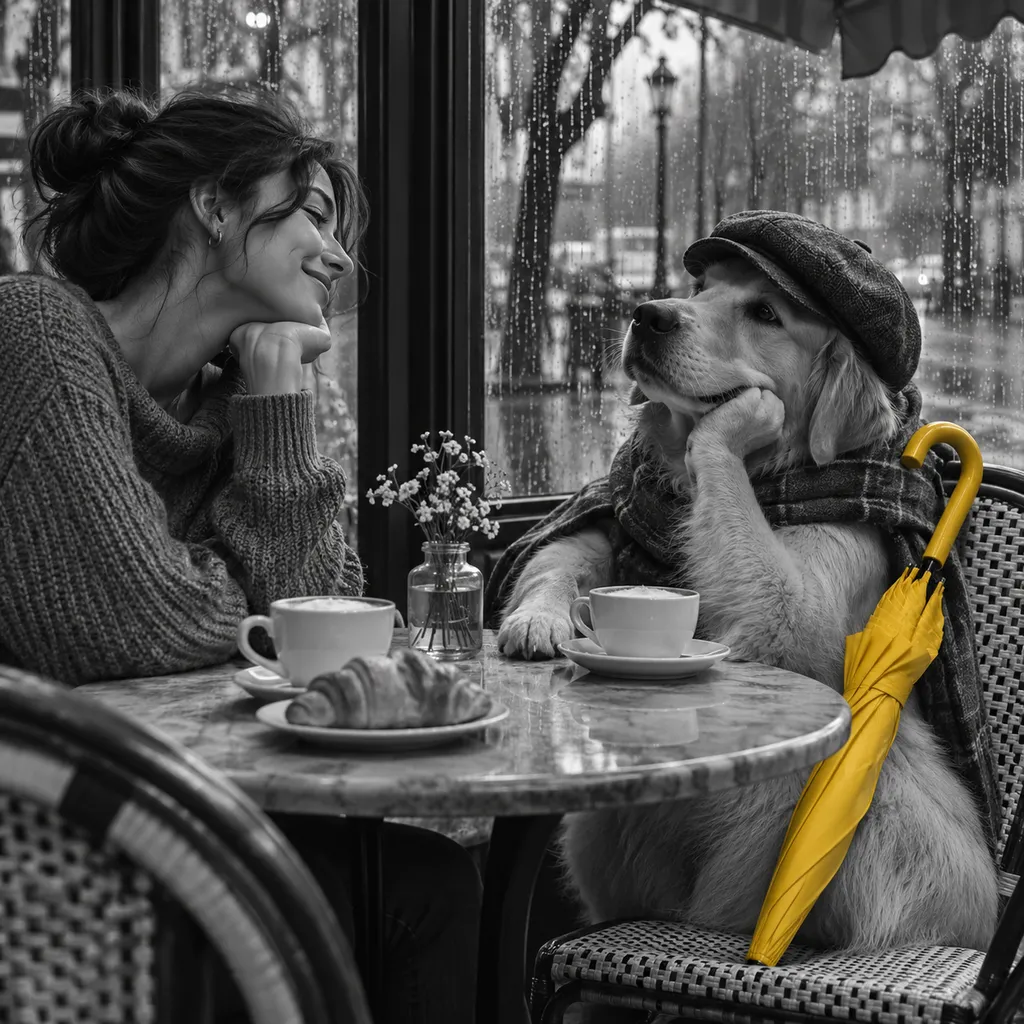
The tendency to attribute humanlike traits, motives, intentions or emotions to nonhuman agents.
What it is
Nicholas Epley, Adam Waytz and John Cacioppo proposed in 2007 that anthropomorphism is common but varies across situations and people, and that three determinants predict when it occurs: how readily knowledge about humans comes to mind and applies, the motivation to understand and explain an agent, and the desire for social contact.
In effect
In the article on why we give chatbots a name, anthropomorphism is the term for why a name, conversational wording and a voice lead people to treat a chat agent as someone. Experiments by Theo Araujo, by Juliana Schroeder and Epley, and by Waytz and colleagues vary these cues.
What it does not say
It does not say people believe software is alive; the theory describes when humanlike readings of an agent become more or less likely.
Sources
- Epley, N., Waytz, A., & Cacioppo, J. T. (2007). On seeing human: A three-factor theory of anthropomorphism. Psychological Review, 114(4), 864-886.
- Waytz, A., Heafner, J., & Epley, N. (2014). The mind in the machine: Anthropomorphism increases trust in an autonomous vehicle. Journal of Experimental Social Psychology, 52, 113-117.
- Schroeder, J., & Epley, N. (2016). Mistaking minds and machines: How speech affects dehumanization and anthropomorphism. Journal of Experimental Psychology: General, 145(11), 1427-1437.
- Carr, N. The Shallows.