Authority Bias
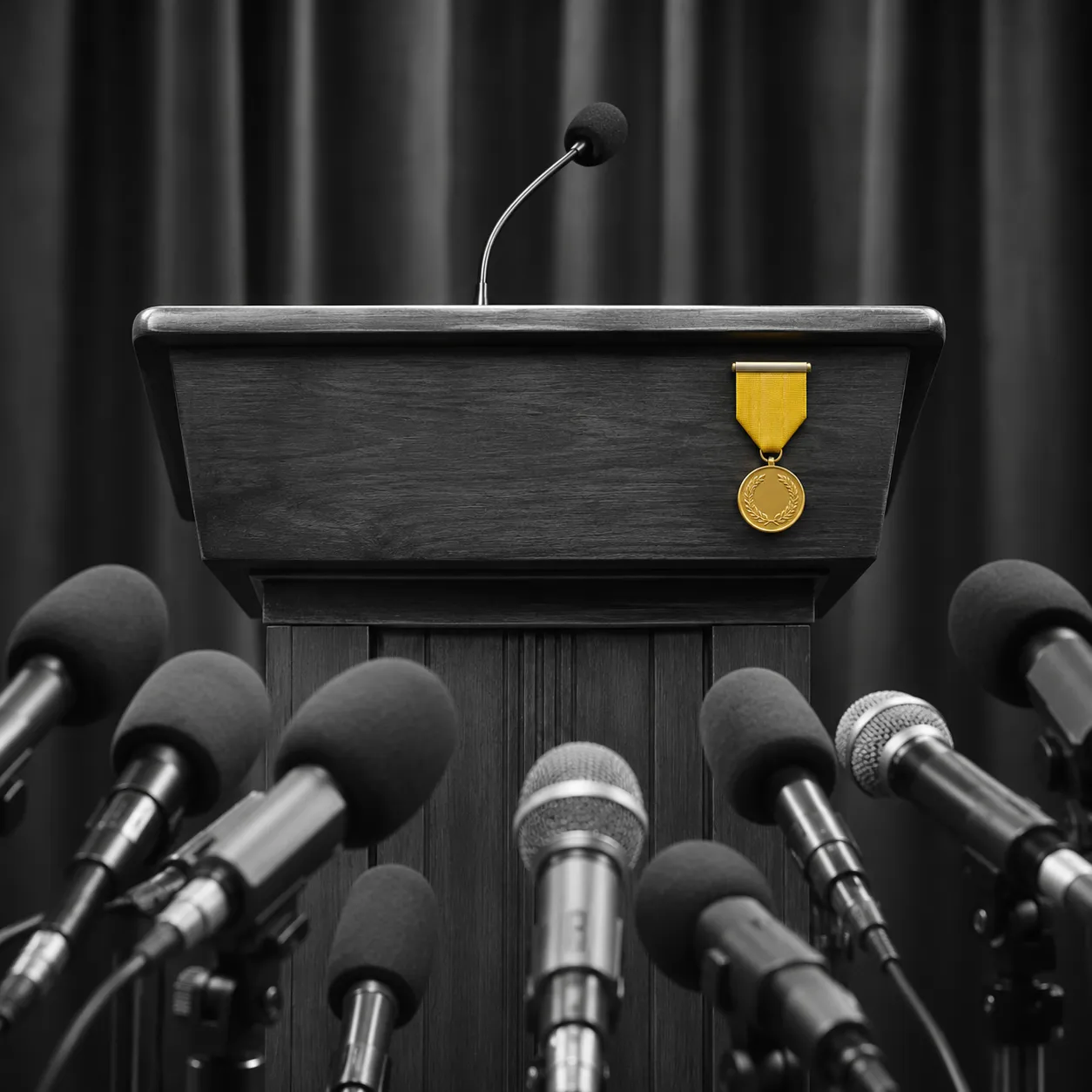
The tendency to give a claim more weight because of who seems to be making it, and less because of what it says.
What it is
In advertising the cue can be a title, a uniform or a professional setting. Petty, Cacioppo and Goldman reported in 1981 that when an issue had little personal relevance, attitudes followed the expertise of the source, and when it mattered personally, they followed the quality of the arguments. Bushman reported in 1984, repeating an earlier street study by Leonard Bickman, that the dress of the person making a request changed how many passers-by complied.
In effect
In the article on why we trust the expert in the advert, authority bias is the core idea: the signs of expertise can do the persuading when the listener is not weighing the case.
What it does not say
It does not say authority always persuades. Pornpitakpan reported in a 2004 review that high credibility usually helped but could be a liability under certain conditions.
Sources
- Petty, R. E., Cacioppo, J. T., & Goldman, R. (1981). Personal involvement as a determinant of argument-based persuasion. Journal of Personality and Social Psychology, 41(5), 847-855.
- Bushman, B. J. (1984). Perceived symbols of authority and their influence on compliance. Journal of Applied Social Psychology, 14(6), 501-508.
- Pornpitakpan, C. (2004). The persuasiveness of source credibility: A critical review of five decades' evidence. Journal of Applied Social Psychology, 34(2), 243-281.
- Cialdini, R. B. Influence.