Center-Stage Effect
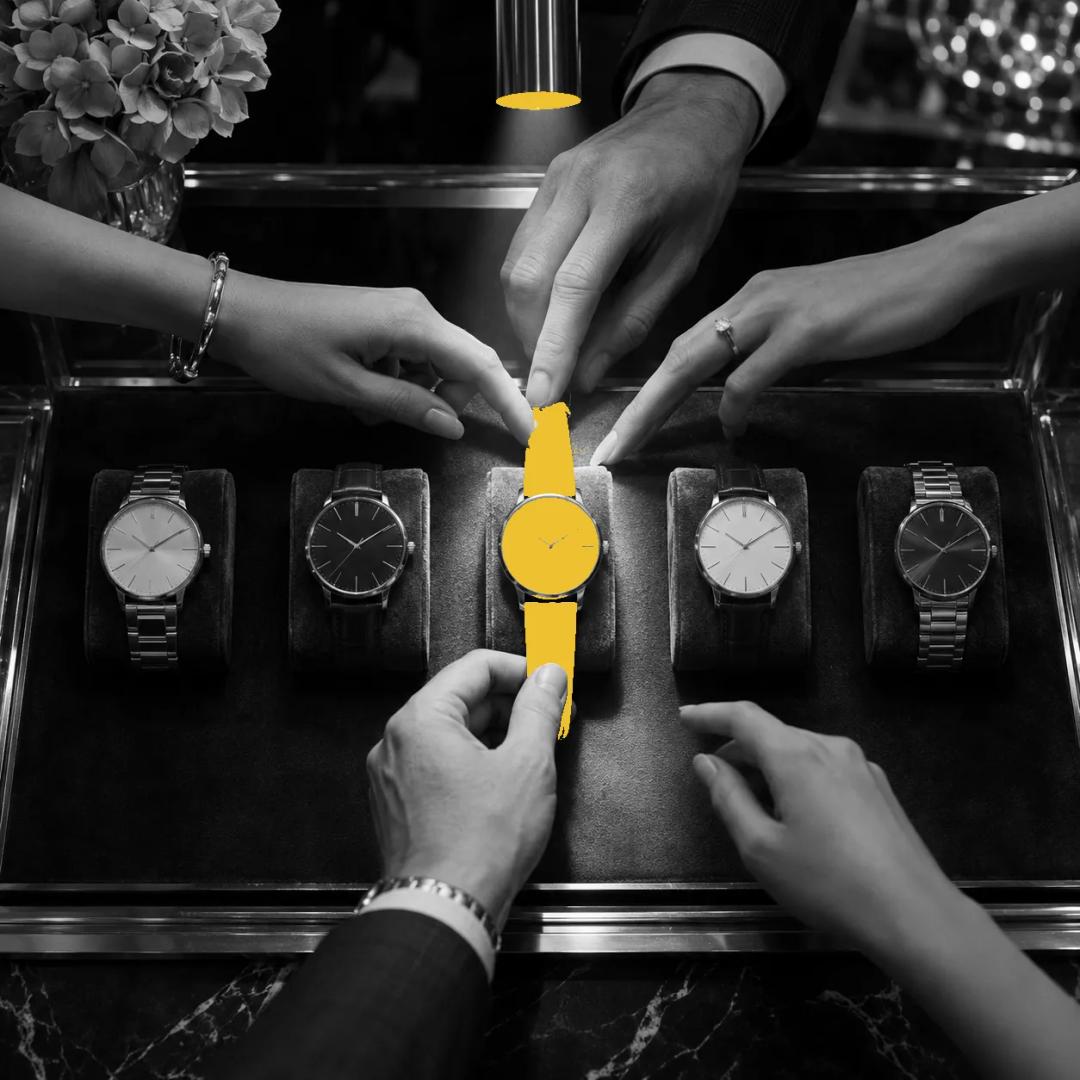
The tendency to prefer the option in the middle of a row seen all at once.
What it is
Rodway, Schepman and Lambert reported in 2012 that people preferred the middle item in a line of five, whether the line was horizontal or vertical and whether the items were pictures or pairs of identical socks. Valenzuela and Raghubir reported in 2009 that consumers assume central options are the most popular and choose them more often, and that the effect weakens when the layout carries no information or when people have better access to their own preferences or to the product's attributes.
In effect
In the article on why the middle of the shelf wins, the effect is the pull that favours the central item in a display.
What it does not say
It does not say the middle always wins; the pull weakens when shoppers know what they want or doubt that the layout means anything.
Sources
- Rodway, P., Schepman, A., & Lambert, J. (2012). Preferring the one in the middle: Further evidence for the centre-stage effect. Applied Cognitive Psychology, 26(2), 215-222.
- Valenzuela, A., & Raghubir, P. (2009). Position-based beliefs: The center-stage effect. Journal of Consumer Psychology, 19(2), 185-196.
- Atalay, A. S., Bodur, H. O., & Rasolofoarison, D. (2012). Shining in the center: Central gaze cascade effect on product choice. Journal of Consumer Research, 39(4), 848-866.