Contaminated Interaction
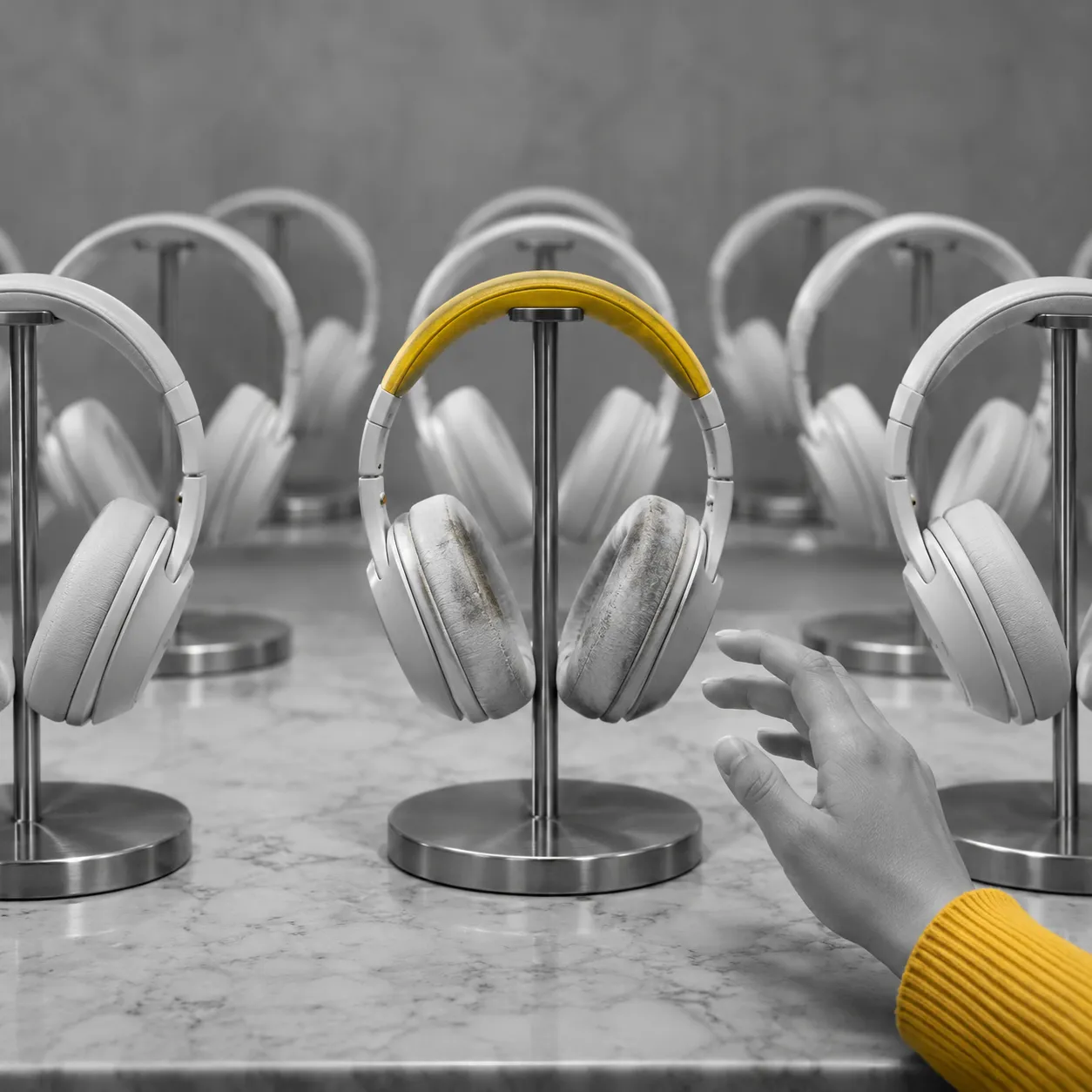
Contaminated interaction is contamination in how people feel about using an item that earlier users have had. Weston Baxter, Marco Aurisicchio and Peter Childs describe it as a barrier that stops items moving between owners.
What it is
Baxter, Aurisicchio and Childs published the idea in the Journal of Industrial Ecology in 2017. They set it beside two other kinds of contamination that block circular material flows. Technical contamination is where an item is no longer fit for use. Systemic contamination is where processing becomes inefficient. Contaminated interaction, which they also call interaction contamination, is where the way people feel about using an item stops it passing on.
In effect
From a literature review and case studies, the authors argued that contaminated interaction leads to downcycling, disposal and hindered circulation. An item that could serve a second user is instead treated as spent, because the feeling about the previous user gets in the way.
Their proposed response is experientially transferable design: products made so that they can move between users and uses without negative consequences. In the article on second-hand goods, the idea marks a shift in how the feeling about a previous owner is treated, from a quirk of shoppers to a design problem that makers can address.
What it does not say
The paper is a conceptual and case-based argument about circular material flows. It does not measure how strong the feeling is in any group of shoppers, and it does not claim that design alone removes it. The experimental work on why the feeling arises sits in the studies on consumer contamination and contagion beliefs.
Sources
- Baxter, W., Aurisicchio, M., & Childs, P. (2017). Contaminated interaction: Another barrier to circular material flows. Journal of Industrial Ecology, 21(3), 507-516. doi:10.1111/jiec.12612 https://doi.org/10.1111/jiec.12612
- Argo, J. J., Dahl, D. W., & Morales, A. C. (2006). Consumer contamination: How consumers react to products touched by others. Journal of Marketing, 70(2), 81-94. doi:10.1509/jmkg.70.2.081 https://doi.org/10.1509/jmkg.70.2.081
- Kim, N. L., Jin, B. E., & Kim, T. H. (2023). Negative and positive contamination in secondhand fashion consumption: Does culture matter? International Marketing Review, 40(6), 1509-1530. doi:10.1108/IMR-01-2022-0014 https://doi.org/10.1108/IMR-01-2022-0014