Déjà Vu
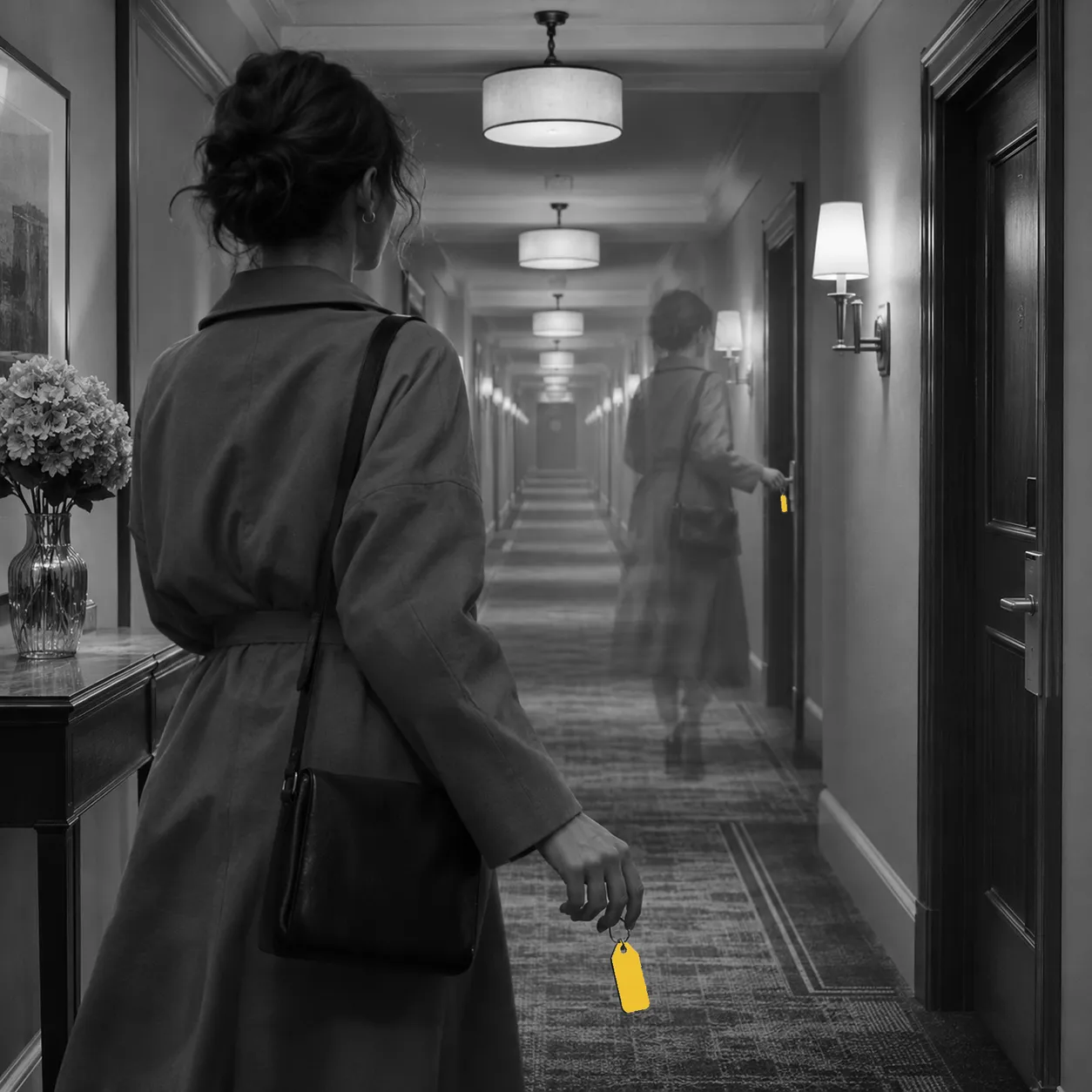
The feeling that a present moment has already been lived, held beside the knowledge that it has not.
What it is
Alan S. Brown's 2003 review gathered more than a century of research: surveys show the experience is common and becomes less frequent with age, and proposed explanations fall into dual processing, neurological, memory and attentional groups. In a 2018 study by Cleary and Claxton, the more a new path resembled one people had seen but did not remember, the more often they reported déjà vu; the feeling raised confidence in predicting the next turn without making the predictions more accurate.
In effect
In the article on déjà vu, it is the subject itself, explained as a memory signal that arrives without its source.
What it does not say
It is an ordinary experience described by memory research. Nothing here is a clinical description or a test of any condition.
Sources
- Brown, A. S. (2003). A review of the déjà vu experience. Psychological Bulletin, 129(3), 394-413.
- Cleary, A. M., & Claxton, A. B. (2018). Déjà vu: An illusion of prediction. Psychological Science, 29(4), 635-644.