Dupes
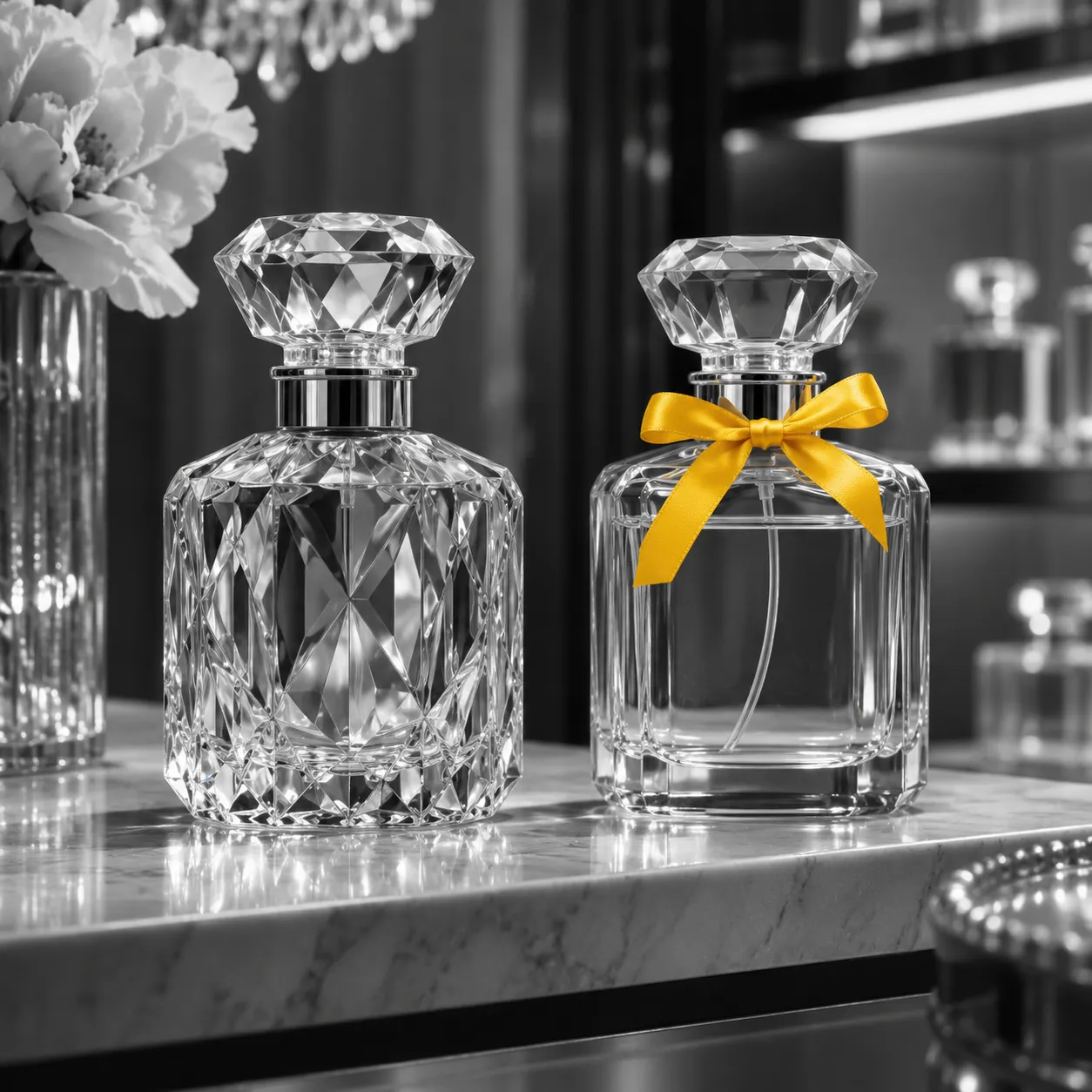
Lookalike products that copy the visible look of a prized product, carry their own name and sell at a lower price.
What it is
A dupe borrows the look of a prized product while keeping its own name, which keeps it distinct from a counterfeit that copies the name and mark as well. Research on counterfeits, imitation and originals offers two readings of why buyers choose lookalikes. In the first, the look and the feeling of a smart purchase are what the buyer wants. In the second, an original keeps a history and a link to its maker that a copy cannot carry, which Newman and Bloom reported in 2012 as a reason originals are valued above duplicates.
In effect
In the article on why we buy the dupe, the dupe is the purchase being explained: what the buyer gets from the look, and what stays with the original.
What it does not say
It does not treat dupes and counterfeits as the same thing; the counterfeit research is used only for what it shows about why a look is wanted.
Sources
- Wilcox, K., Kim, H. M., & Sen, S. (2009). Why do consumers buy counterfeit luxury brands? Journal of Marketing Research, 46(2), 247-259.
- Warlop, L., & Alba, J. W. (2004). Sincere flattery: Trade-dress imitation and consumer choice. Journal of Consumer Psychology, 14(1-2), 21-27.
- Newman, G. E., & Bloom, P. (2012). Art and authenticity: The importance of originals in judgments of value. Journal of Experimental Psychology: General, 141(3), 558-569.
- Storr, W. The Status Game.
In these themes
- Luxury and Status
What we buy to be seen, and what others read into it.