Embodied Cognition
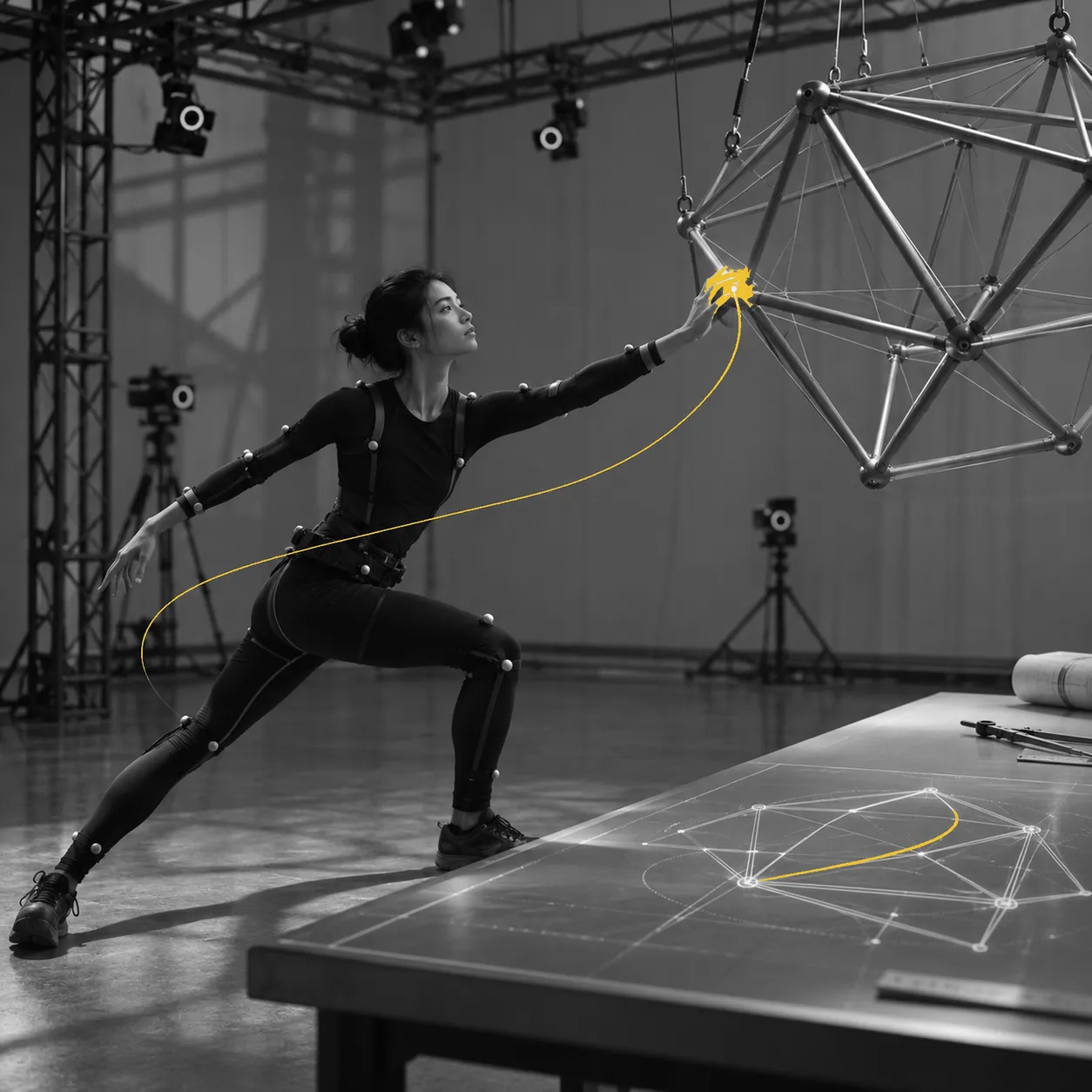
The view that bodily states and sensations shape thought and social judgment.
What it is
On this account the hand, the eye and the posture are part of the apparatus the mind thinks with, not peripherals attached to it. Weak forms of the claim are well supported: perception is active, action and perception form a loop, and infants learn the structure of objects by handling them. Strong forms, in which a small change in bodily state changes judgment, are less settled.
In effect
In the article on whether a warm drink makes us kinder, the idea supplies the question: if bodily warmth shapes judgments of warmth, a hot cup might change how we treat others. The larger repeats of the warm-cup experiments did not find that.
What it does not say
The strong form, that a change of posture or instrument reliably changes thought, is far less settled than the weak form. The warm-cup repeats are one strong-form claim that did not hold in larger tests.
Sources
- Williams, L. E., & Bargh, J. A. (2008). Experiencing physical warmth promotes interpersonal warmth. Science, 322(5901), 606-607.
- IJzerman, H., & Semin, G. R. (2009). The thermometer of social relations: Mapping social proximity on temperature. Psychological Science, 20(10), 1214-1220.
- Chabris, C. F., Heck, P. R., Mandart, J., Benjamin, D. J., & Simons, D. J. (2019). No evidence that experiencing physical warmth promotes interpersonal warmth. Social Psychology, 50(2), 127-132.