Entertainment Appreciation
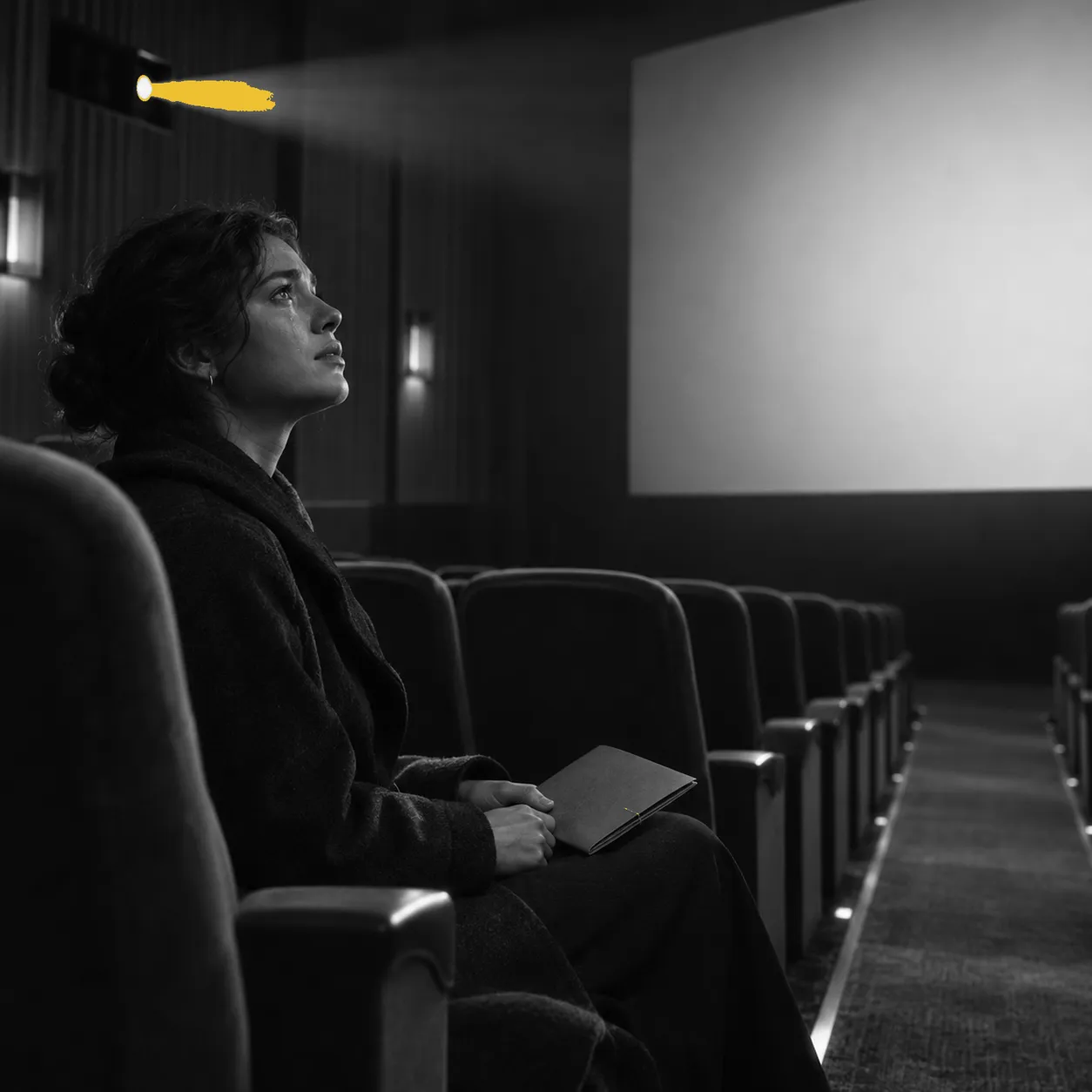
Entertainment appreciation is a gratification that sits beside enjoyment: valuing a film as moving and thought-provoking. Mary Beth Oliver and Anne Bartsch proposed it in 2010, especially for serious, poignant and pensive films.
What it is
Oliver and Bartsch argued that audiences get something from entertainment that fun does not cover. In three studies, especially of serious, poignant and pensive films, they supported a measure of appreciation that sits alongside measures of fun and suspense, and alongside moving and thought-provoking experiences. Appreciation was linked to perceived enduring effects, meaning the sense that a film stays with the viewer.
The point is that a viewer can value a film without finding it fun. The two responses can come apart.
In effect
In the article on why we like sad films, appreciation describes what viewers may be seeking when they choose a film that is not fun. A sad film can leave a person feeling it was worth watching even when it was not pleasant to watch.
What it does not say
It does not say that appreciation replaces enjoyment or that sad films always produce it. They measure what viewers report, not what they intend when choosing a film.
Where it comes from
Oliver and Bartsch published the proposal in Human Communication Research in 2010, volume 36, issue 1. They set appreciation against enjoyment because media researchers needed a way to account for people choosing films that are serious, poignant or pensive rather than fun.
What the research found
The paper reports three studies, especially on serious, poignant and pensive films. They supported a measure of appreciation alongside measures of fun and suspense, and alongside moving, thought-provoking experiences. All were linked to perceived enduring effects. No sample sizes are given here.
Related work adds detail on one emotion. In the 2014 cinema study by Hanich and colleagues, 76 participants watched 38 clips in which a character or group learns of a death. Sadness and enjoyment were strongly and positively correlated, and being moved almost fully mediated that link. Oliver and Raney in 2011 built measures of hedonic motives, which concern pleasure, and eudaimonic motives, which concern meaning, and found that they predicted preferences for entertainment producing different emotional experiences.
Where opinion differs
Appreciation is one of several accounts of why people choose sad or serious material. Hanich and colleagues conclude that people enjoy sad films because they like being moved, which puts the weight on a feeling and not on meaning. Oliver and Bartsch put the weight on a valued sense of meaning and lasting effect. The two can be combined if being moved is seen as part of what appreciation feels like, and the studies do not test that. This site presents both accounts and does not choose.
How this site uses it
The Why We Project uses entertainment appreciation in the article Why We Like Sad Films to describe what a viewer may seek in a film that is not fun. It is read alongside being moved and the hedonic and eudaimonic motives.
Sources
- Oliver, M. B., & Bartsch, A. (2010). Human Communication Research, 36(1), 53-81.
- Oliver, M. B., & Raney, A. A. (2011). Journal of Communication, 61(5), 984-1004.
- Hanich, Wagner, Shah, Jacobsen and Menninghaus (2014). Psychology of Aesthetics, Creativity, and the Arts, 8(2), 130-143.