Epistemic Curiosity
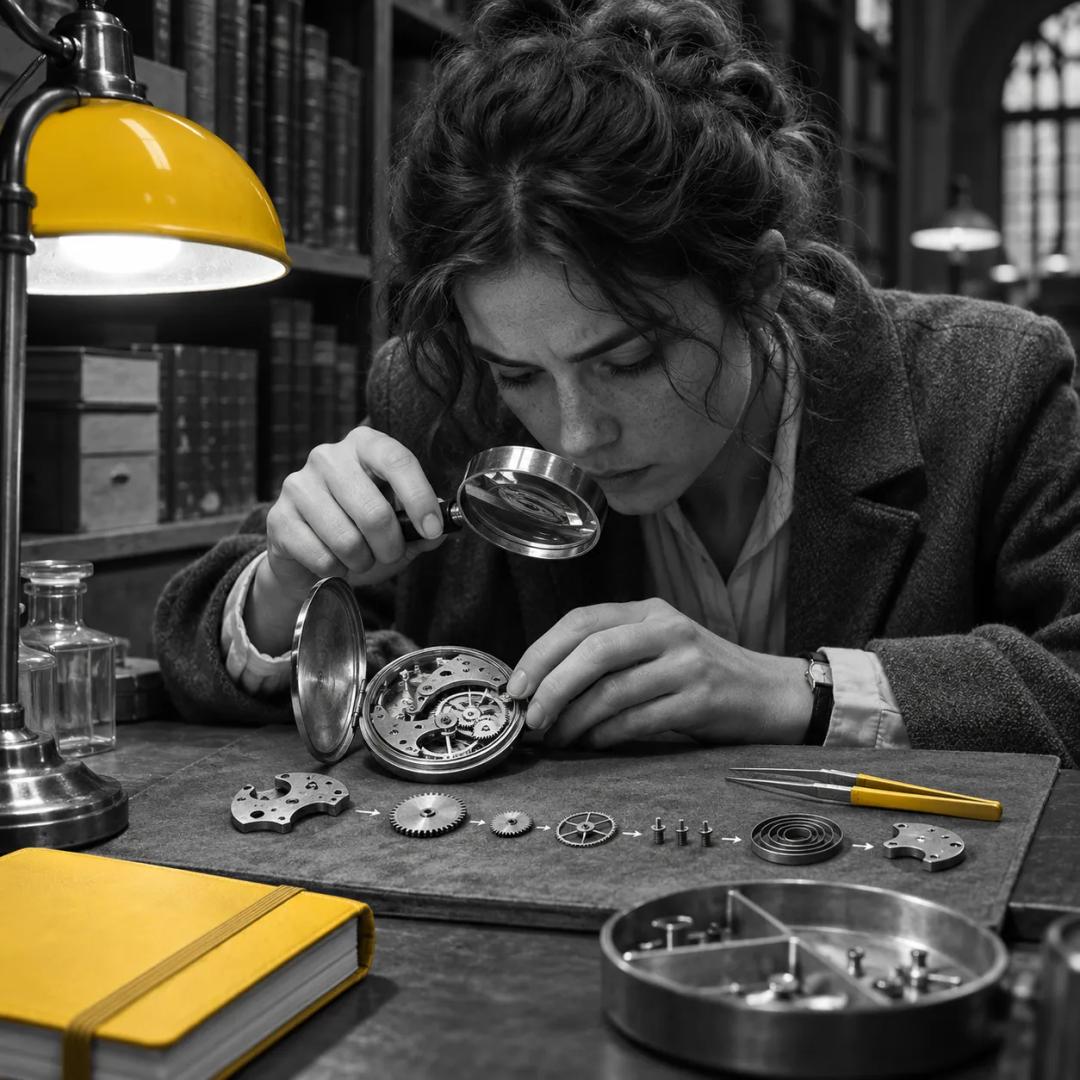
The effortful desire to build understanding, as opposed to a passing wish for novelty.
What it is
Ian Leslie describes epistemic curiosity in Curious as the disciplined form of curiosity that grows when a passing interest is turned into a search for knowledge. Kang and colleagues reported in 2009 that stronger curiosity about trivia questions tracked activity in brain regions linked to anticipated reward, that more curious participants were willing to spend tokens or waiting time to get answers, and that curiosity was linked to better memory for answers that had been guessed wrongly.
In effect
In the article on the gap that makes you click, epistemic curiosity is the fuller version of the pull a headline borrows for a moment.
What it does not say
It does not say every click reflects a wish to understand; a headline can raise a gap that the story never fills.
Sources
- Leslie, I. Curious: The Desire to Know and Why Your Future Depends on It.
- Kang, M. J., Hsu, M., Krajbich, I. M., Loewenstein, G., McClure, S. M., Wang, J. T., & Camerer, C. F. (2009). The wick in the candle of learning: Epistemic curiosity activates reward circuitry and enhances memory. Psychological Science, 20(8), 963-973.
- Loewenstein, G. (1994). The psychology of curiosity: A review and reinterpretation. Psychological Bulletin, 116(1), 75-98.