Extended Self
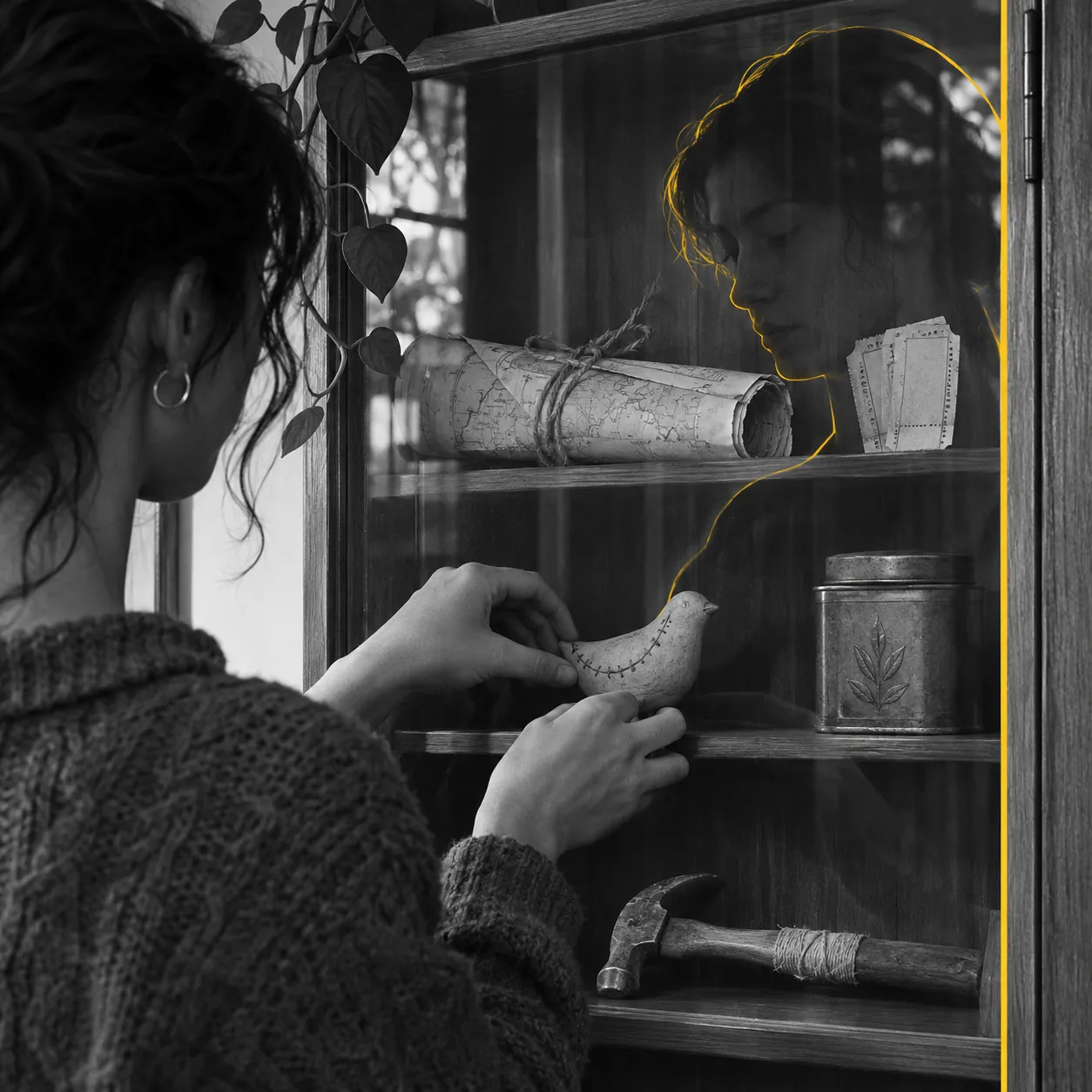
The extended self is Russell Belk's idea, published in 1988, that possessions are a major part of how people form and express their identities.
What it is
Belk's paper in the Journal of Consumer Research argued that what people own contributes to their sense of who they are and reflects it. He drew on related research to develop the concept, and he presented it as richer than earlier models that tied self-concept to brand choice, because it addresses consumer behaviour more broadly.
In effect
Seen through the extended self, a shelf of ticket stubs, maps or tea tins is part of its owner's account of themselves and not only a group of things they hold. Aaron Ahuvia's 2005 interview study asked which possessions and activities people love and how those attachments help people keep a consistent sense of self. It identified three ways that consumers build a coherent self-story: keeping identities separate, making trade-offs between them and blending them. The paper found that most of Belk's claims held up, and it suggested that the distinction between a core self and an extended self may be a confusing metaphor.
What it does not say
Neither paper is about collections as such. Both concern the tie between valued belongings and identity, which is background to the question of why people collect things.
Sources
- Belk, R. W. (1988). Possessions and the extended self. Journal of Consumer Research, 15(2), 139-168. doi:10.1086/209154
- Ahuvia, A. C. (2005). Beyond the extended self: Loved objects and consumers' identity narratives. Journal of Consumer Research, 32(1), 171-184. doi:10.1086/429607
In these themes
- Memory and Nostalgia
What we remember, what we forget, and why the past keeps selling.