Gene-Culture Interaction
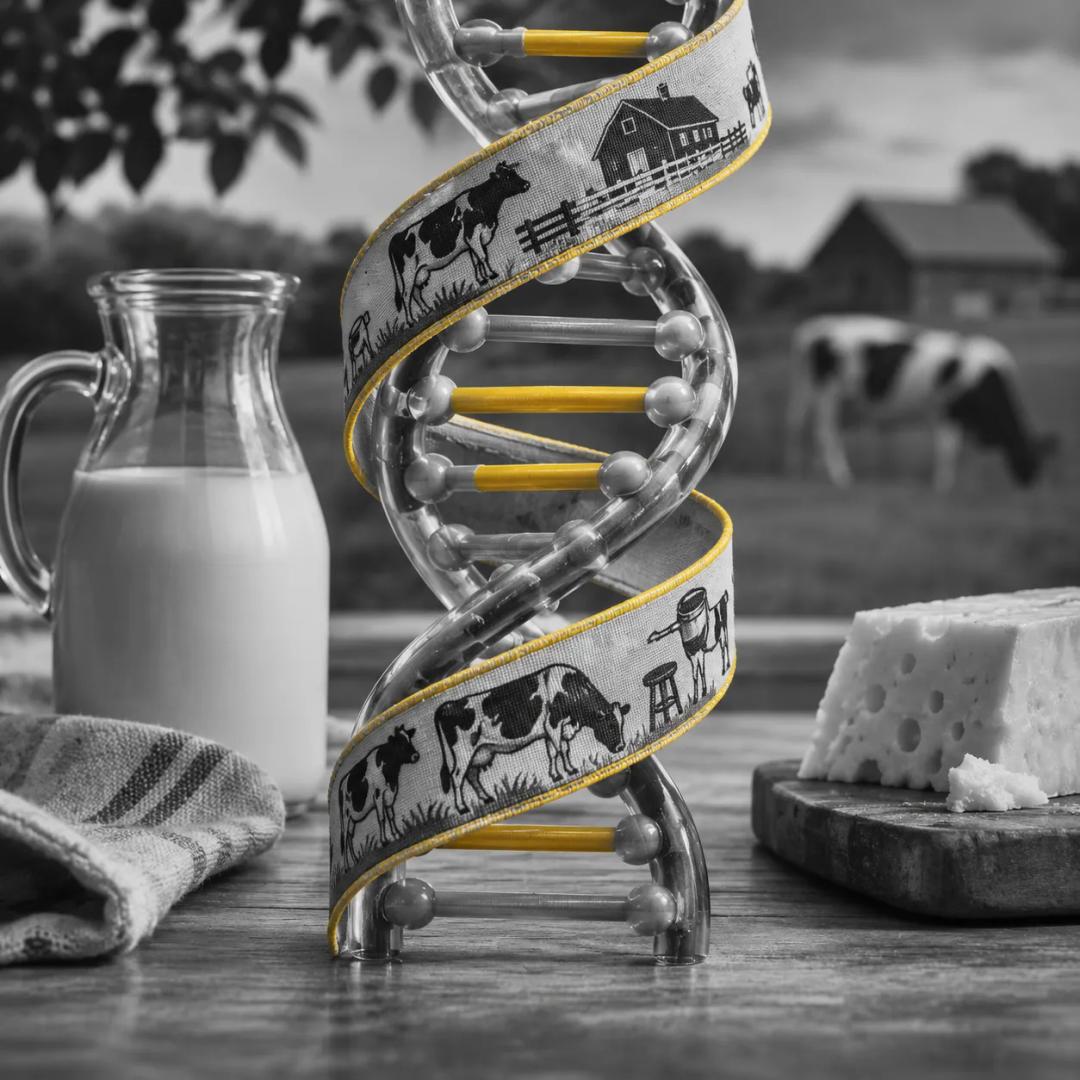
Gene-culture coevolution is the two-way process in which cultural practices change which genes spread, and genes in turn shape what cultures can do. Bolhuis and colleagues used it to argue that cultural explanations deserve testing alongside adaptive ones.
What it is
In their 2011 essay in PLoS Biology, Bolhuis, Brown, Richardson and Laland pointed to lactase persistence as an example. Dairy farming changed which genes spread, so a cultural practice altered the course of human evolution. They also cited genomic scans that show recent selection in humans.
The vault note on gene-culture interaction, drawn from a separate book, describes three views of how biology and culture relate: culture on a biological leash, the two running independently, or the two influencing each other.
In effect
For shopping, the point is that a habit can be both cultural and biologically consequential. If evolution runs in both directions, a shopping practice cannot be assigned to biology or culture by default, and the reasons for it have to be tested.
Evolutionary accounts can absorb this. The 2011 authors framed their essay as new opportunities for evolutionary psychology, not as a rejection of it.
What it does not say
The lactase example concerns dairy farming and digestion, and nothing in it concerns shopping. It is used as a reason to test cultural explanations of consumer behaviour alongside adaptive ones. The page does not claim that any shopping trait has been shaped by gene-culture coevolution.
Sources
- Bolhuis, J. J., Brown, G. R., Richardson, R. C., & Laland, K. N. (2011). Darwin in mind: New opportunities for evolutionary psychology. PLoS Biology, 9(7), e1001109. https://doi.org/10.1371/journal.pbio.1001109