Haptic Information
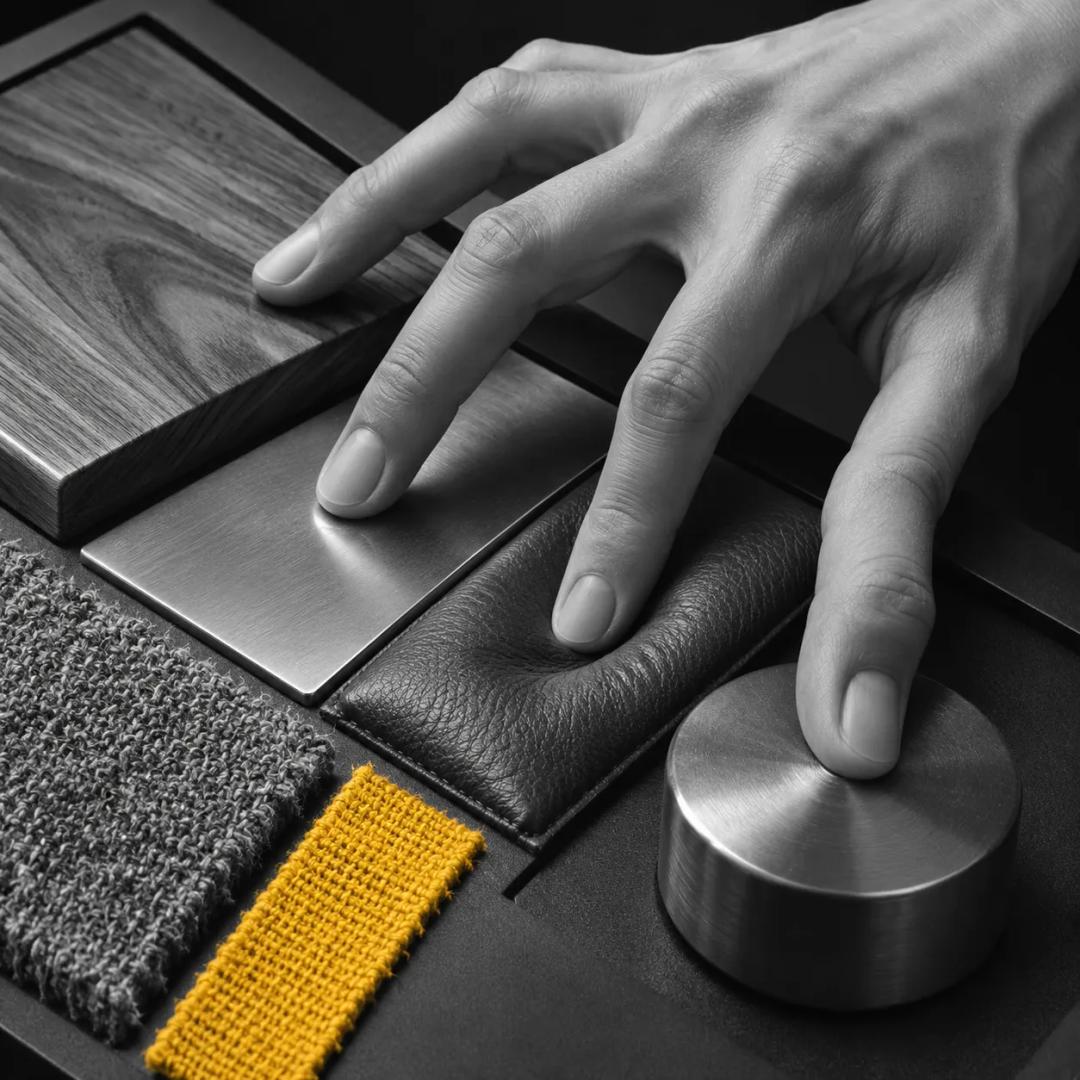
What touch tells a buyer about a product, such as texture, hardness, temperature and weight.
What it is
Joann Peck and Terry Childers proposed a framework in 2003 in which the usefulness of touch varies by product, consumer and situation. On this site it is read alongside Perceived Diagnosticity.
In effect
In two experiments, barriers to touch such as a retail display case reduced confidence and increased frustration, especially for consumers who want to touch. Written descriptions and visual images partly substituted for touch for some product types.
What it does not say
It is not the same thing as Perceived Diagnosticity, which sits close to it on this site but describes a different part of how people decide. It also does not say that the finding reaches every product, buyer or setting; where this page goes beyond the cited research, the step is an inference and is labelled as one.
Sources
- Listed on the 2009 Journal of Consumer Research paper as assistant professor of marketing at the University of Wisconsin-Madison School of Business.
- Terry L. Childers is co-author, with Joann Peck, of To have and to hold: The influence of haptic information on product judgments, published in the Journal of Marketing in 2003.