Harmony Aesthetic
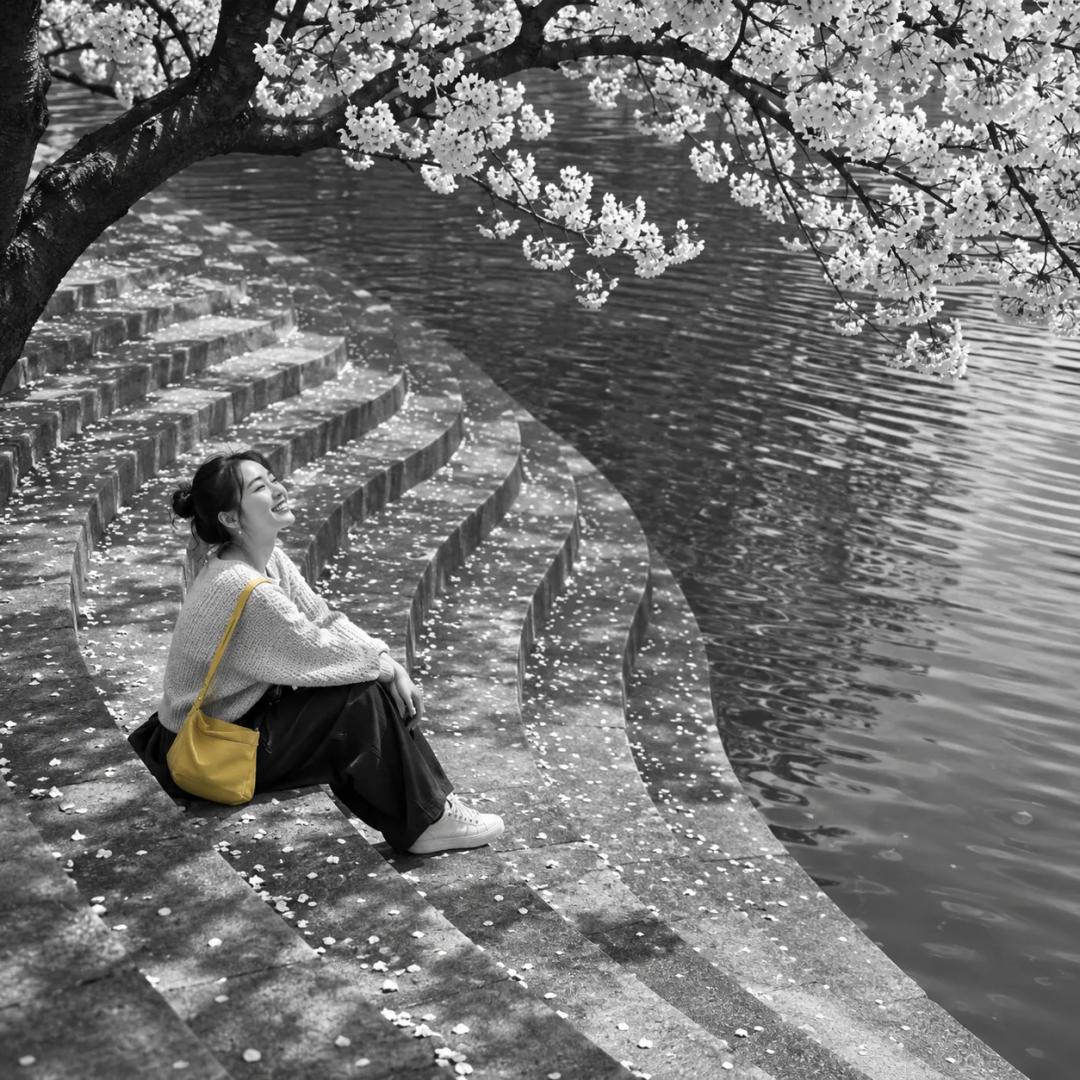
The harmony aesthetic is Ingrid Fetell Lee's quality of joy built on similarity, symmetry, pattern and rhythm. In this article it supplies the organisation that abundance needs.
What it is
Lee lists harmony among the ten qualities of her aesthetics of joy. It is the quality of things that fit together: repeated colours, matched shapes, a regular beat in a pattern. Where abundance concerns how much there is, harmony concerns how it is arranged.
The vault note ties the quality to related ideas such as Gestalt principles, symmetry preference and structured complexity preference. In Why Joyful Objects Lift Us it appears as the answer to a specific problem raised by visual complexity research.
In effect
Marcos Nadal and colleagues separate visual complexity into the amount and variety of elements, their organisation, and the symmetry of the arrangement. Harmony speaks to the second and third of those. A jar of sweets in six colours reads as plenty rather than mess when the pieces are similar in size and sit in a regular pattern.
For a designer, the practical point is that harmony and abundance are best planned together. Increasing the number of colours on a pack raises the amount and variety, and similarity, symmetry or rhythm then hold the arrangement together.
What it does not say
Nadal and colleagues did not test Lee's harmony quality. They described how complexity can be divided, and found that complexity as a whole had no meaningful influence on beauty ratings in their study. Pairing the two is a reading made in this article. The page makes no claim about wellbeing or health.
Sources
- Lee, I. F. Joyful. Seed book.
- Nadal, M., Munar, E., Marty, G., & Cela-Conde, C. J. (2010). Visual Complexity and Beauty Appreciation: Explaining the Divergence of Results. Empirical Studies of the Arts, 28(2), 173-191. https://doi.org/10.2190/EM.28.2.d