Information Overload
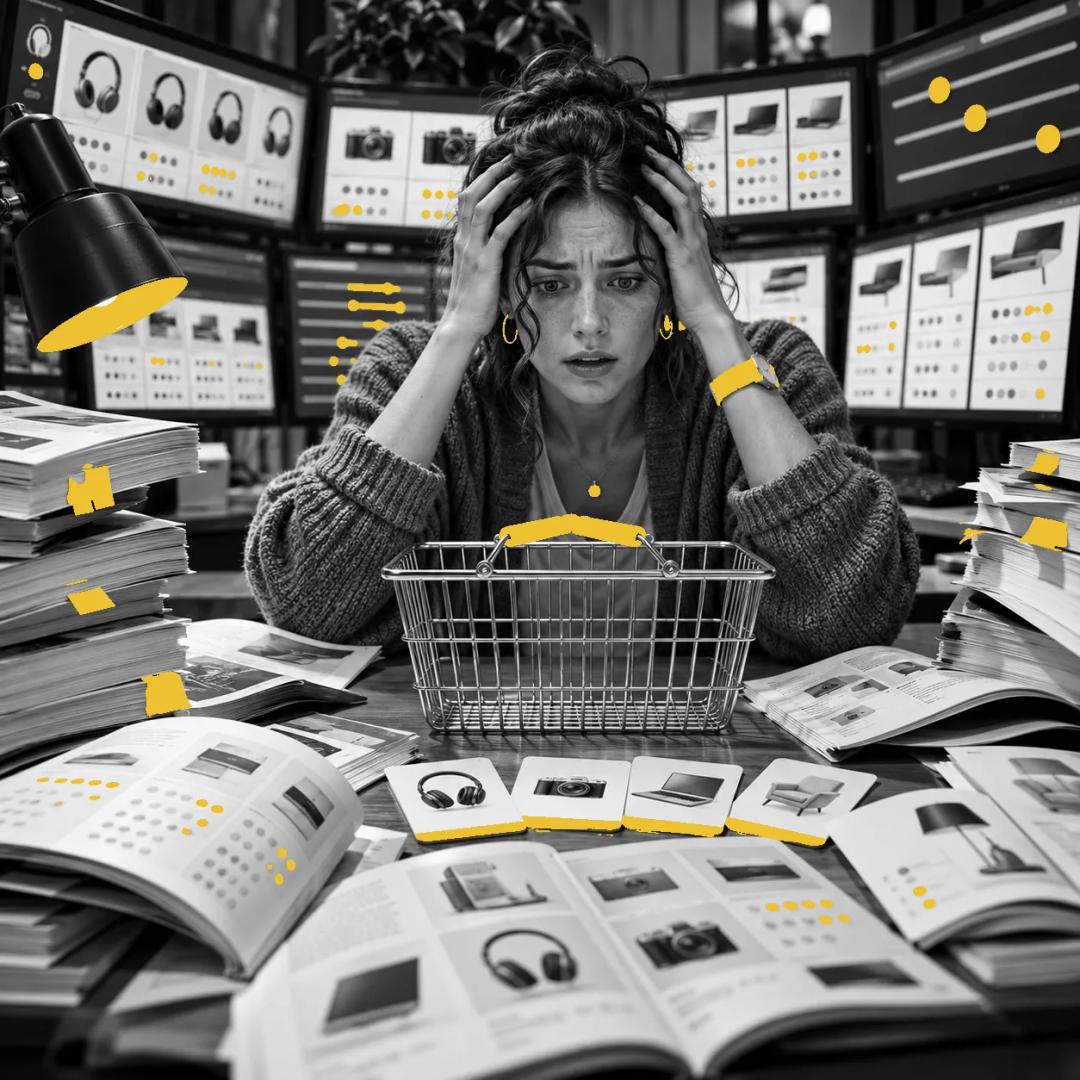
When people receive more information than they can use, they may delay, simplify or skip the decision.
What it is
The textbook Consumer Behaviour by Neal, Quester and Hawkins describes consumers as having limited capacity to process information, so that more disclosure does not always mean better choices. Obar and Oeldorf-Hirsch reported in 2020 that information overload predicted less reading of terms of service among 543 participants joining a fictional social network.
In effect
In the article on small print, overload is one reason long terms go unread: the reading time asked for far exceeds what people give.
What it does not say
It does not say less information is always better; it describes what happens when the amount outruns attention.
Sources
- Obar, J. A., & Oeldorf-Hirsch, A. (2020). The biggest lie on the Internet: Ignoring the privacy policies and terms of service policies of social networking services. Information, Communication & Society, 23(1), 128-147.
- Neal, C. M., Quester, P. G., & Hawkins, D. I. Consumer Behaviour.