Leitmotif
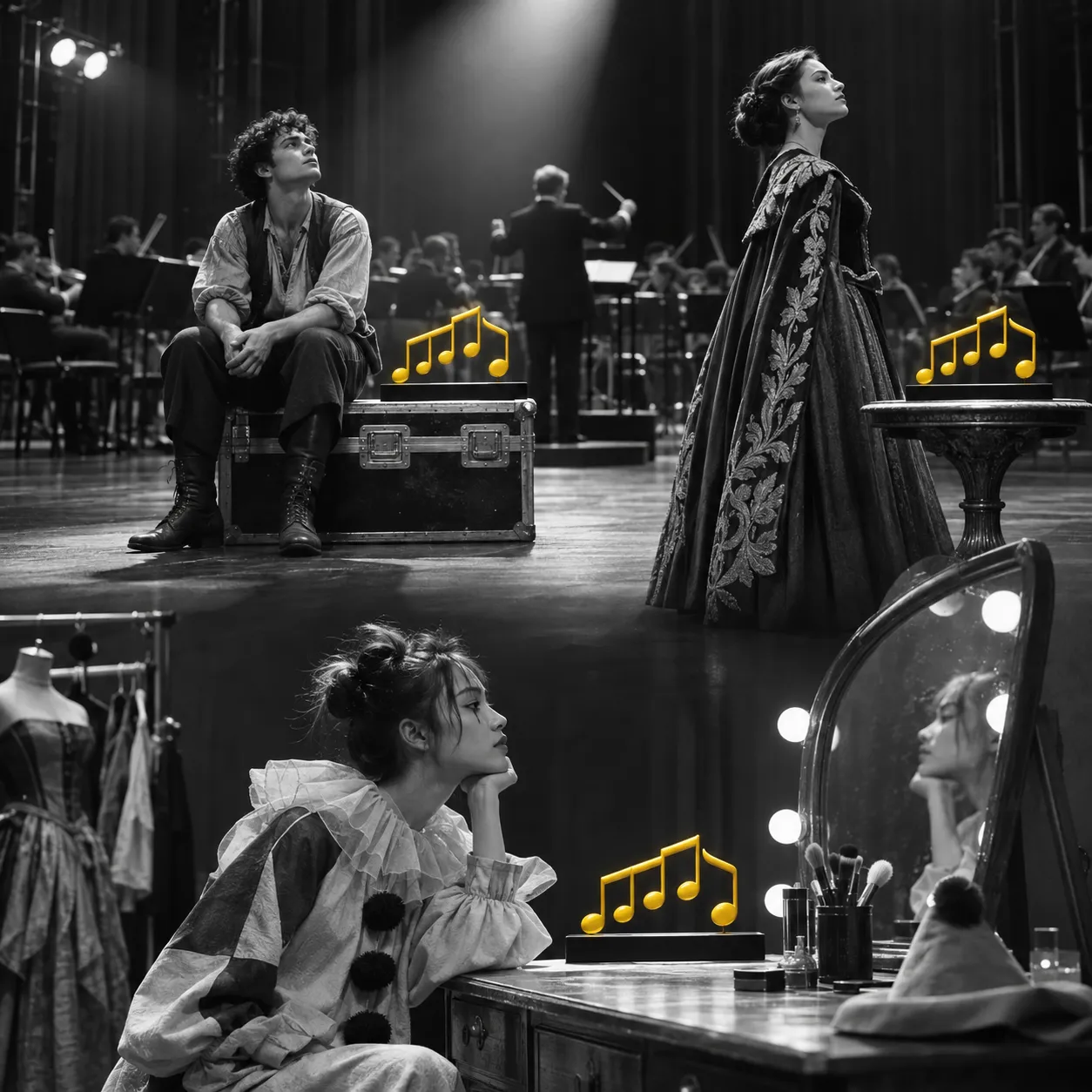
A leitmotif is a recurring musical phrase linked to a character or situation. The Canadian Encyclopedia reports that Howard Shore used the technique associated with Wagner in the score for The Lord of the Rings films, with more than fifty leitmotifs developed across the trilogy.
What it is
A leitmotif works by association. A short phrase is attached to a person, a place or an idea, and each return of the phrase brings that thing to mind, sometimes changed in harmony, tempo or instrument to reflect what is happening. Over a long work the phrases can be combined, so that the music comments on the story as it moves.
In the film version of the Lord of the Rings score, the encyclopedia entry reports, the leitmotifs were developed across all three films, which allowed a theme introduced early to return later with new meaning. Shore also drew a symphony from the film music, which premiered in 2003.
In effect
In the article on why The Lord of the Rings movies are so good, the leitmotif is the route by which separate scenes share a musical cue. A phrase heard in one scene and again in another gives the two scenes a common reminder. Read alongside experiments on film music and memory, that suggests why a few notes can bring back a whole scene. The step from the experiments to a feature-film trilogy is an interpretation made on this site.
What it does not say
It does not say that a score alone makes a film good, and it does not rank any score against another. The count of more than fifty comes from a single reference entry and describes the film version of this score. It is a description of a composing technique, not a measured effect on viewers.
Sources
- The Canadian Encyclopedia, entry on Howard Shore.
- Boltz, M., Schulkind, M. and Kantra, S. (1991), Memory and Cognition.