Occupied Versus Unoccupied Time
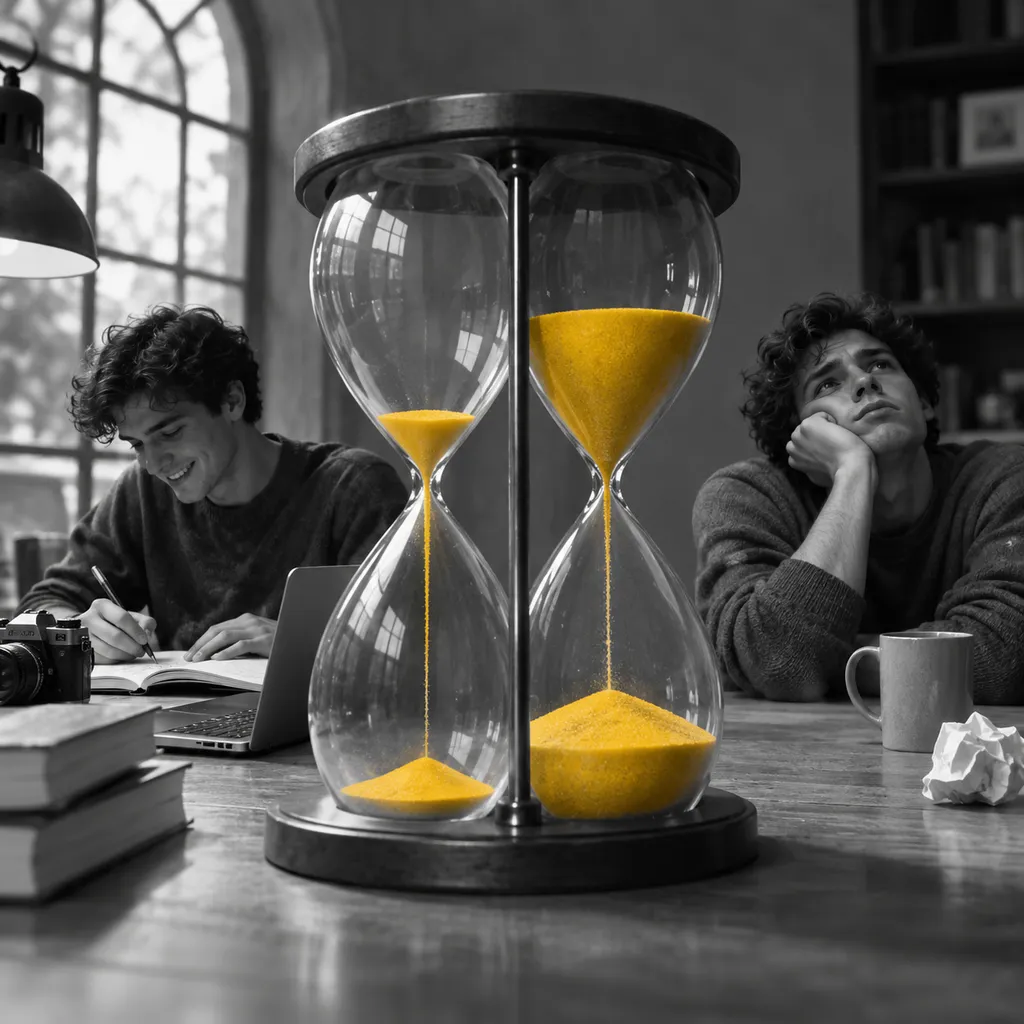
The proposition that time with something to do feels shorter than time with nothing to do.
What it is
David Maister set it out in 1985 as one of several propositions about waiting lines, supported by practitioner accounts rather than experiment. Later work gave mixed results: Kelly McGuire and colleagues found in 2010 that filled time reduced boredom and improved ratings of a simulated online queue without reliably changing estimates of its length.
In effect
In the article on why the wait feels longer when nothing happens, the proposition is tested against the later studies, which suggest occupied time improves a wait mainly by reducing tedium.
What it does not say
It does not say filling a wait always shortens it in the mind; the experimental evidence on length is mixed.
Sources
- Maister, D. H. (1985). The psychology of waiting lines. In J. A. Czepiel, M. R. Solomon, & C. F. Surprenant (Eds.), The Service Encounter. Lexington Books.
- McGuire, K. A., Kimes, S. E., Lynn, M., Pullman, M. E., & Lloyd, R. C. (2010). A framework for evaluating the customer wait experience. Journal of Service Management, 21(3), 269-290.
- Simmons, W., & DeWitt, T. The Customer Excellence Enterprise.