Perceived Waiting Time
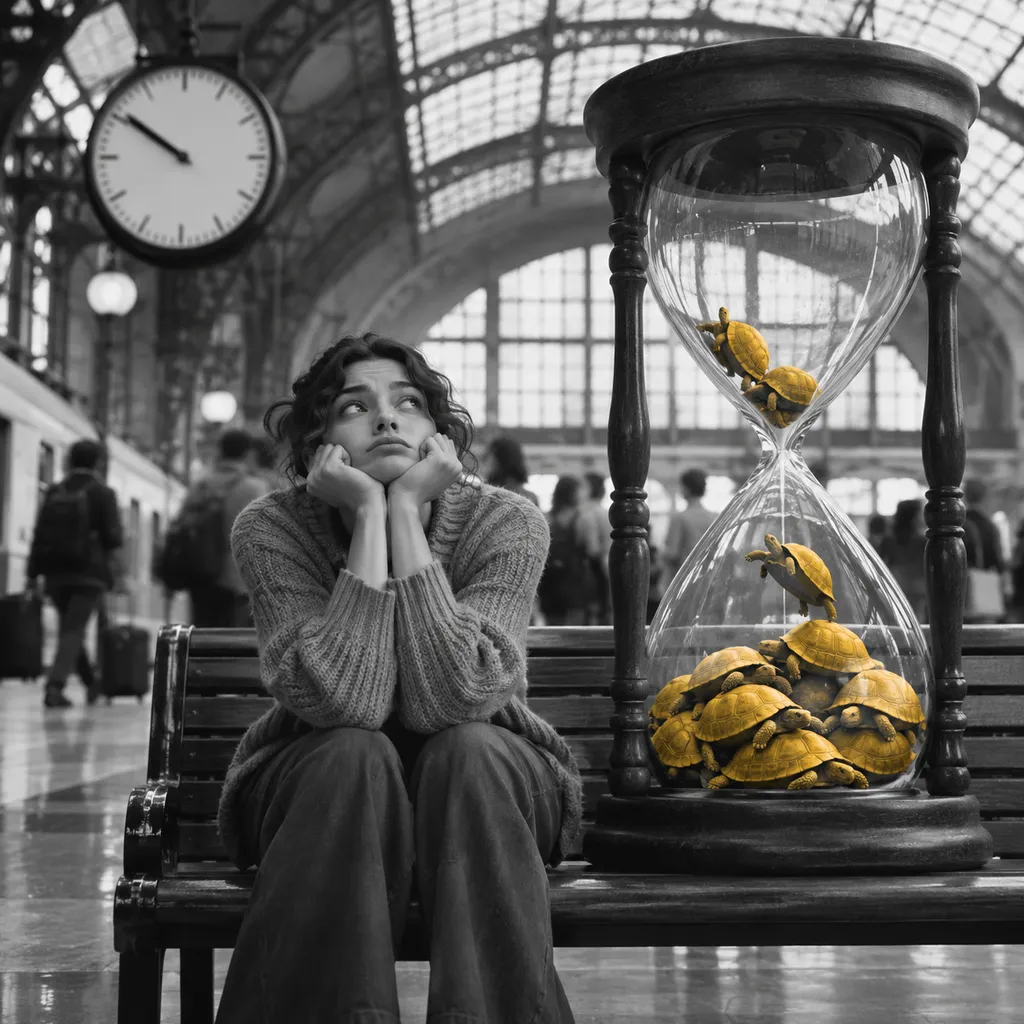
How long a wait seems to the person in it, which can differ from the clock.
What it is
In field experiments on telephone waits, Gerrit Antonides and colleagues found in 2002 that perceived waiting time followed a power function of the actual wait, and that ratings of the service depended mainly on the gap between how long callers were willing to wait and how long the wait seemed. Michael Hui and David Tse reported in 1996 that information about the expected wait changed how waits of different lengths were judged.
In effect
In the article on why the wait feels longer when nothing happens, perceived waiting time is the lens for reading five studies of queues and waits.
What it does not say
It does not say every wait feels longer than it is; the direction and size of the gap depended on attention, information and the length of the wait.
Sources
- Antonides, G., Verhoef, P. C., & van Aalst, M. (2002). Consumer perception and evaluation of waiting time: A field experiment. Journal of Consumer Psychology, 12(3), 193-202.
- Hui, M. K., & Tse, D. K. (1996). What to tell consumers in waits of different lengths: An integrative model of service evaluation. Journal of Marketing, 60(2), 81-90.
- Chebat, J.-C., & Filiatrault, P. (1993). The impact of waiting in line on consumers. International Journal of Bank Marketing, 11(2), 35-40.
- Simmons, W., & DeWitt, T. The Customer Excellence Enterprise.