Perceptual Mismatch
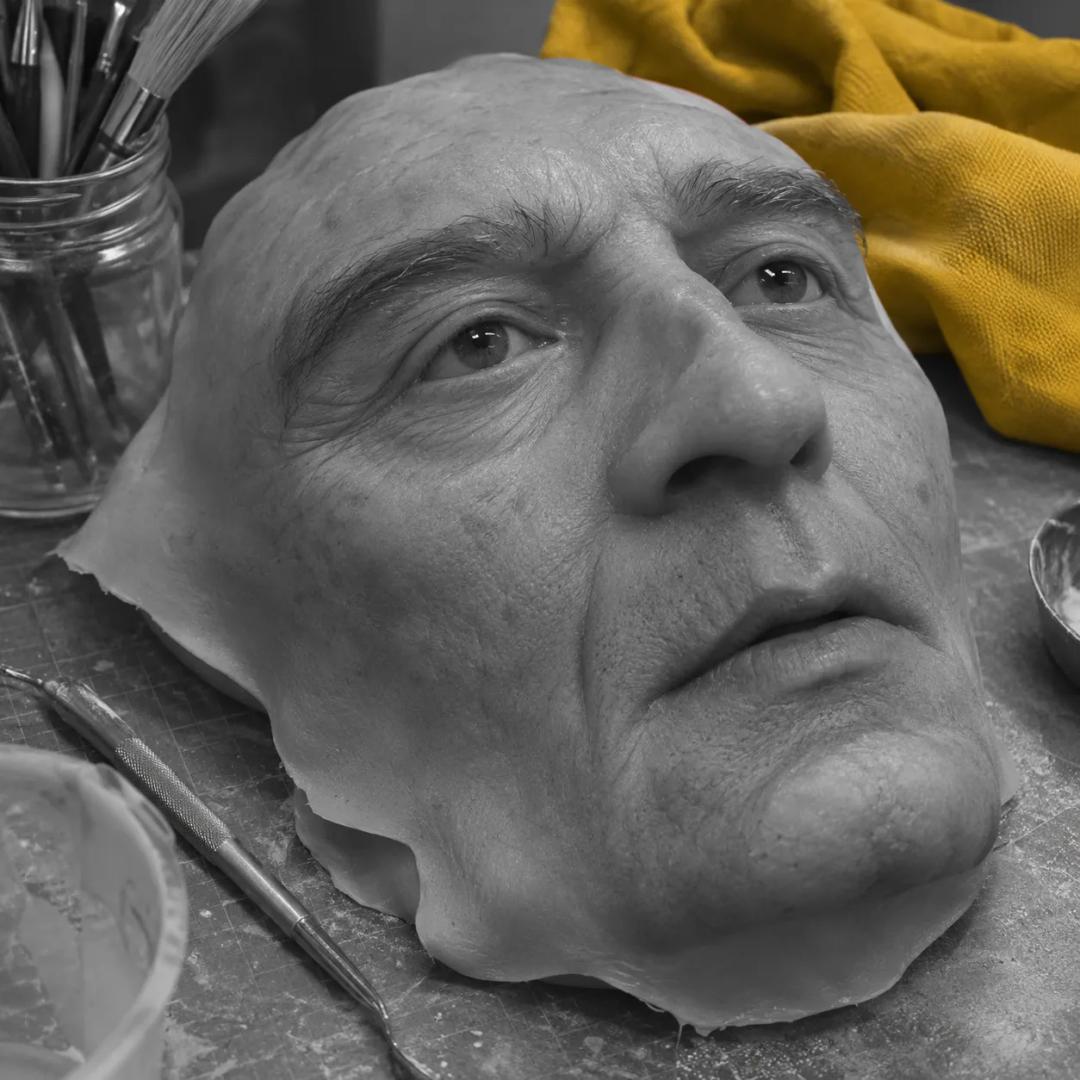
The case where one feature of a face or figure, such as the eyes or skin, is out of step with the realism of the rest.
What it is
Karl MacDorman and Debaleena Chattopadhyay reported three experiments with 548 participants in 2016 in which reducing the consistency of human realism within an image, for example with mismatched eyes or skin, made human images seem eerier and colder but had no such effect on objects. Jun'ichiro Seyama and Ruth Nagayama found in 2007 that the most unpleasant impressions of morphed faces came only when the faces had abnormal features such as bizarre eyes.
In effect
In the article on the uncanny valley, mismatch is the account the reviews support best: the unease comes from parts that do not agree.
What it does not say
It does not say every realistic figure is unsettling; a consistent level of realism did not produce the effect.
Sources
- MacDorman, K. F., & Chattopadhyay, D. (2016). Reducing consistency in human realism increases the uncanny valley effect; increasing category uncertainty does not. Cognition, 146, 190-205.
- Seyama, J., & Nagayama, R. S. (2007). The uncanny valley: Effect of realism on the impression of artificial human faces. Presence: Teleoperators and Virtual Environments, 16(4), 337-351.
- Looser, C. E., & Wheatley, T. (2010). The tipping point of animacy: How, when, and where we perceive life in a face. Psychological Science, 21(12), 1854-1862.
- Kätsyri, J., Förger, K., Mäkäräinen, M., & Takala, T. (2015). A review of empirical evidence on different uncanny valley hypotheses: Support for perceptual mismatch as one road to the valley of eeriness. Frontiers in Psychology, 6, 390.