Performance-Avoidance Goals
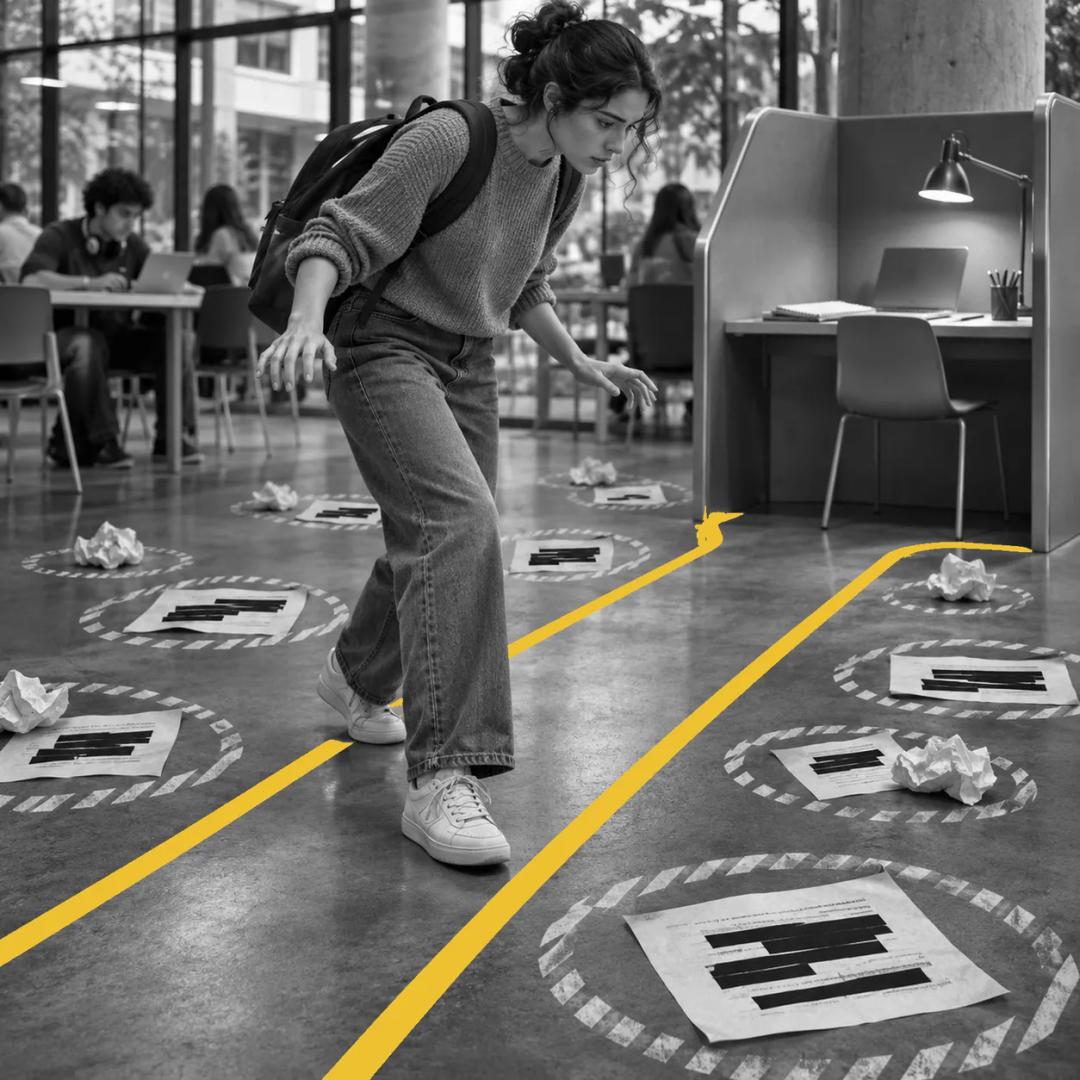
Achievement goals aimed at not looking less capable.
What it is
In Elliot and Church's 1997 classroom study they went with fear of failure and low expectations of competence and were linked to lower intrinsic motivation and graded performance, whereas mastery goals went with the opposite pattern.
In effect
The article uses it as the step that carried fear of failure from a motive into a classroom goal.
What it does not say
The links were found in one classroom study, and they describe a pattern across students and not a trait of any one student. Later work separates the approach and avoidance forms of other goals.
Sources
- Elliot, A. J., & Church, M. A. (1997). A hierarchical model of approach and avoidance achievement motivation. Journal of Personality and Social Psychology, 72(1), 218-232.
- Giel, L. I. S., Noordzij, G., Noordegraaf-Eelens, L., & Denktas, S. (2020). Fear of failure: A polynomial regression analysis of the joint impact of the perceived learning environment and personal achievement goal orientation. Anxiety, Stress, & Coping, 33(2), 123-139.