Pomodoro Technique
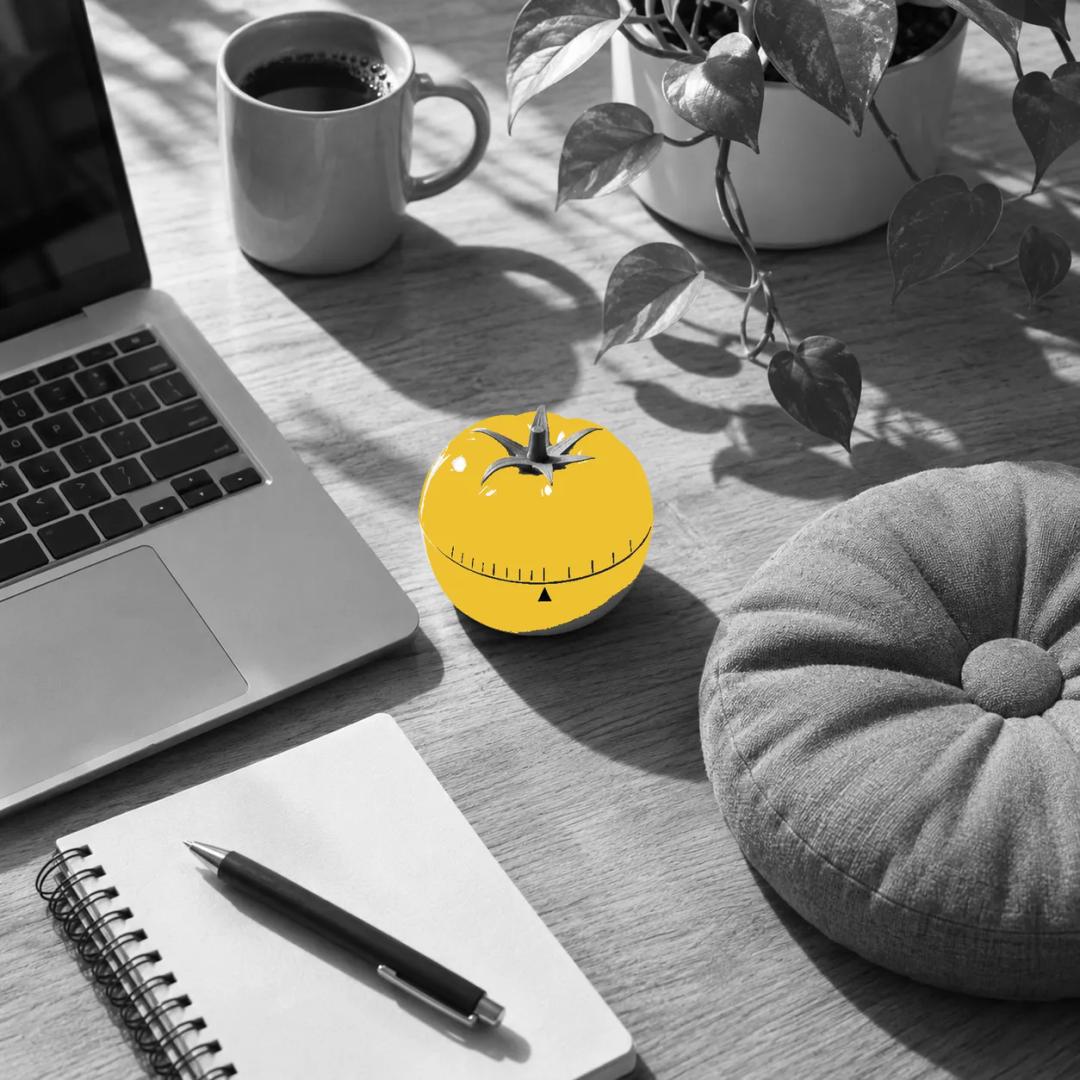
A timer rule that alternates short blocks of single-task work with short breaks, with a longer rest after several rounds.
What it is
The usual form is 25 minutes of work, a 5 minute break, and a longer rest after four rounds. Studies with university students have compared it with breaks the students chose themselves. Task completion and comprehension did not differ. Fatigue, distraction and motivation did, and the direction changed between studies: a one-day study favoured timed breaks, a reading study favoured self-chosen breaks, and a two hour session found no difference in final levels.
In effect
In the article on whether the Pomodoro technique works, it is the rule under test, set against self-chosen breaks and the wider evidence on short breaks.
What it does not say
The studies do not show that the rule raises output. They were run with students on study tasks, so they say little about other kinds of work.
Sources
- Biwer, F., Wiradhany, W., oude Egbrink, M. G. A., & de Bruin, A. B. H. (2023). Understanding effort regulation: Comparing Pomodoro breaks and self-regulated breaks. British Journal of Educational Psychology, 93(S2), 353-367.
- Smits, E. J. C., Wenzel, N., & de Bruin, A. B. H. (2025). Investigating the effectiveness of self-regulated, Pomodoro, and Flowtime break-taking techniques among students. Behavioral Sciences, 15(7), 861.
- Göksu, A., Wiradhany, W., & de Bruin, A. B. H. (2026). When to take a break: Comparing effects of systematic short (Pomodoro) and self-regulated breaks on subjective experience and actual learning. Behavioral Sciences, 16(7), 1158.