Prestige Pricing
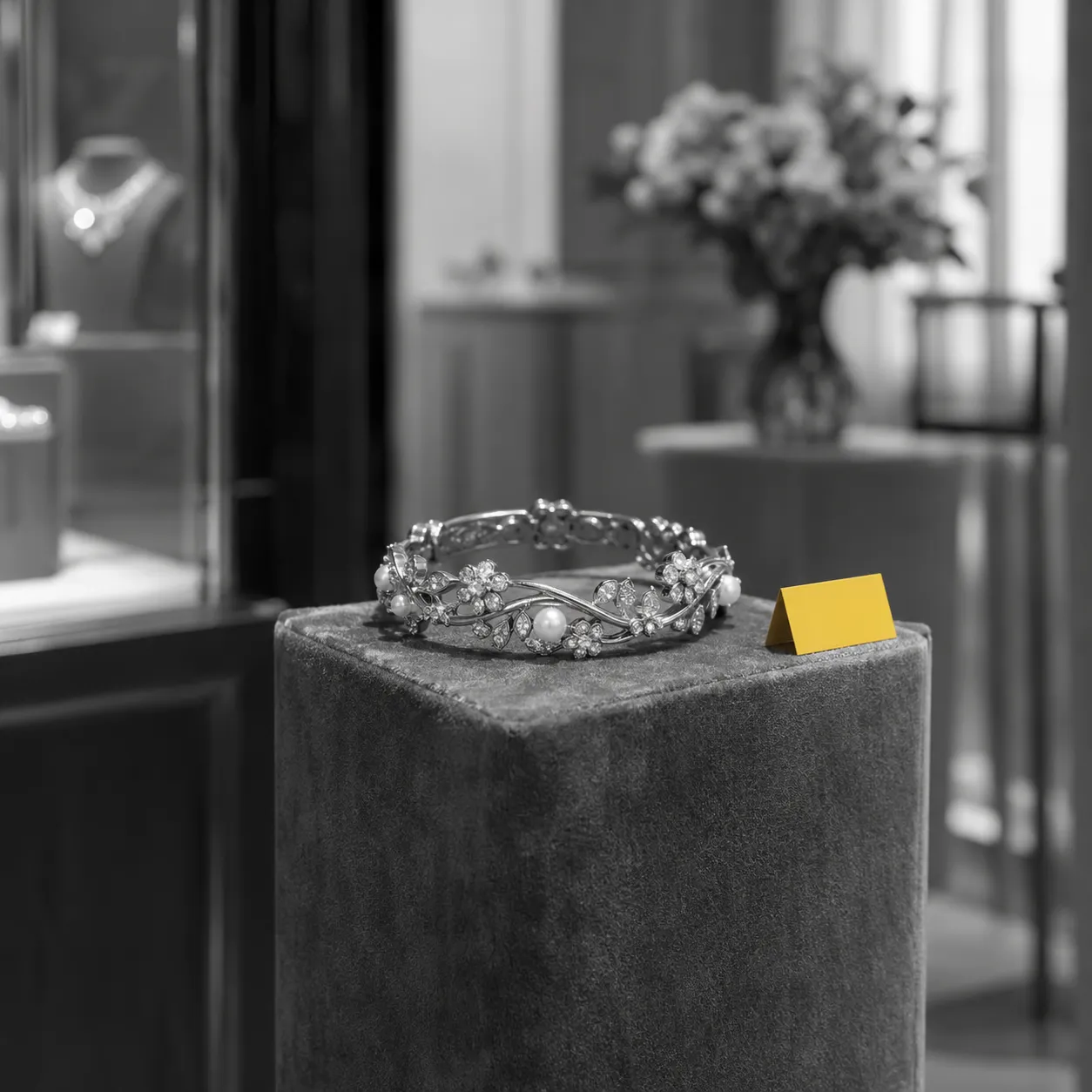
Setting a high price, often at a round figure, so that the price itself signals quality and status.
What it is
Mark Stiving built a model in which price signals quality and found that firms charging high prices were more likely to set round ones; he also reported evidence that higher-quality products tend to carry round prices, most of all where buyers find quality hard to judge before buying. Annalisa Fraccaro and Sandrine Macé tested price endings on luxury handbags in 2020 and found that endings carry meanings specific to the luxury sector that differ across consumer segments.
In effect
In the article on prestige pricing, the round high price is a signal the seller sends about quality and standing.
What it does not say
It does not say a round price makes a product better or that every round price signals prestige; the evidence concerns how firms set prices and how some buyers read them.
Sources
- Stiving, M. (2000). Price-endings when prices signal quality. Management Science, 46(12), 1617-1629.
- Fraccaro, A., & Macé, S. (2020). Never too rich to care about prices: Effects of price endings on customer perceptions of luxury. Recherche et Applications en Marketing (English Edition), 35(3), 7-28.
- Wadhwa, M., & Zhang, K. (2015). This number just feels right: The impact of roundedness of price numbers on product evaluations. Journal of Consumer Research, 41(5), 1172-1185.
- Shotton, R. The Choice Factory.