Purchase Embarrassment
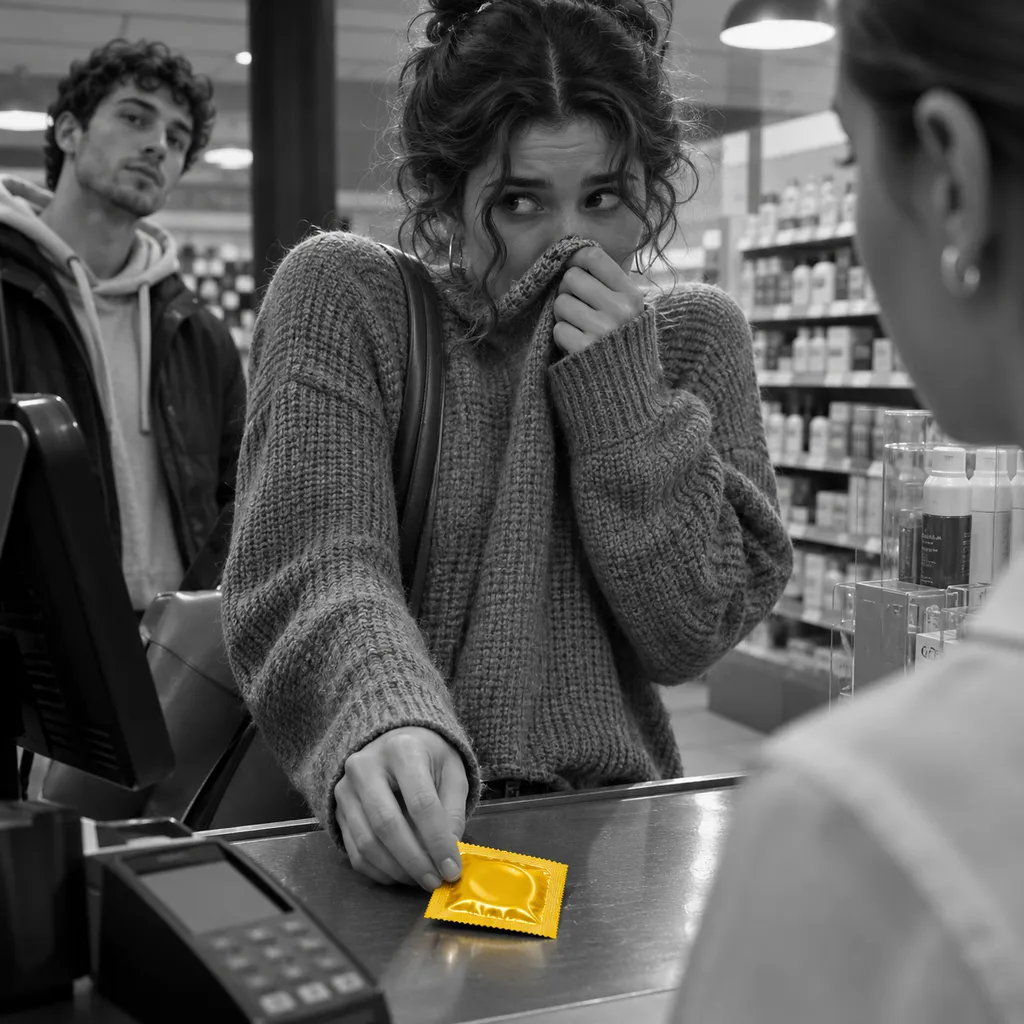
The discomfort a shopper feels when buying an item that may reveal something private while another person is, or is imagined to be, present.
What it is
Darren Dahl, Rajesh Manchanda and Jennifer Argo reported in 2001, from two field studies of an embarrassing purchase, that awareness of a social presence, real or imagined, was a motivating factor in creating embarrassment, and that shoppers more familiar with the purchase felt less of it.
In effect
In the article on why self-checkout changes what we buy, purchase embarrassment is set beside a natural experiment in which sales of items that can carry a stigma rose after two stores of a grocery chain adopted self-service checkouts.
What it does not say
It does not say self-checkout is chosen to avoid embarrassment; the field evidence links the setting to what was bought.
Sources
- Dahl, D. W., Manchanda, R. V., & Argo, J. J. (2001). Embarrassment in consumer purchase: The roles of social presence and purchase familiarity. Journal of Consumer Research, 28(3), 473-481.
- Olden, A. (2018). What do you buy when no one's watching? The effect of self-service checkouts on the composition of sales in retail. NHH Department of Business and Management Science, Discussion Paper 2018/3.
- Mason, T., & Jarvis, S. Omnichannel Retail.