Regifting
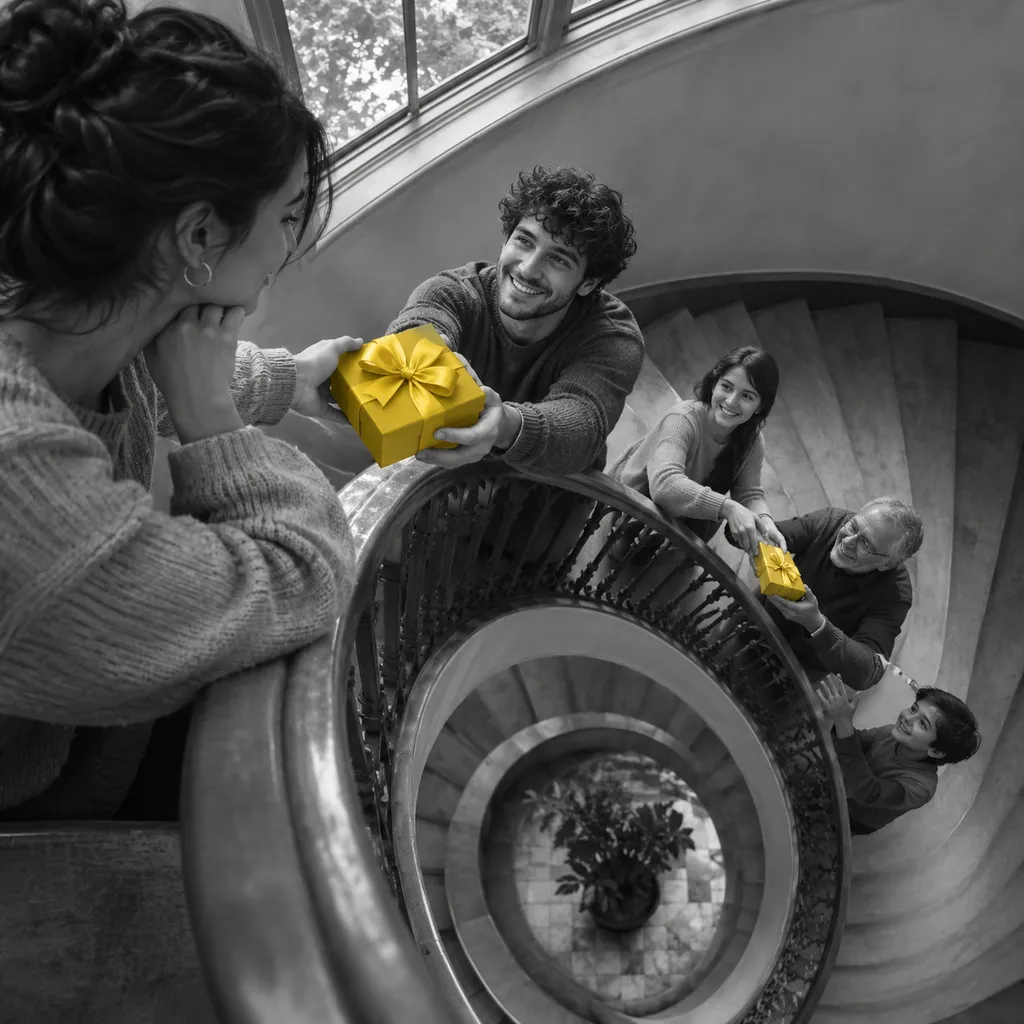
Passing on to someone else a gift that was given to you.
What it is
Gabrielle Adams, Francis Flynn and Michael Norton reported in 2012 that people who passed a gift on predicted more offence from the original giver than givers said they felt, and that the gap was accounted for by different beliefs about who may decide what happens to a gift once it has been given. Interview and story studies by Esther Swilley and colleagues and by Burçak Ertimur and colleagues describe the practice through its motives, its types and the cues that reveal a passed-on gift.
In effect
In the article on why we regift, regifting is the practice whose judgement differs between the person who gave the gift and the person who passes it on.
What it does not say
It does not say regifting is always welcome. The experiments compared predicted and reported offence in set scenarios, and the story studies describe what people say about it rather than how often it happens.
Sources
- Adams, G. S., Flynn, F. J., & Norton, M. I. (2012). The gifts we keep on giving: Documenting and destigmatizing the regifting taboo. Psychological Science, 23(10), 1145-1150.
- Swilley, E., Cowart, K. O., & Flynn, L. R. (2014). An examination of regifting. Journal of Consumer Behaviour, 13(4), 251-261.
- Ertimur, B., Muñoz, C. L., & Hutton, J. G. (2015). Regifting: A multi-perspective processual overview. Journal of Business Research, 68(9), 1997-2004.
- Saad, G. The Consuming Instinct.