Return Policy Leniency
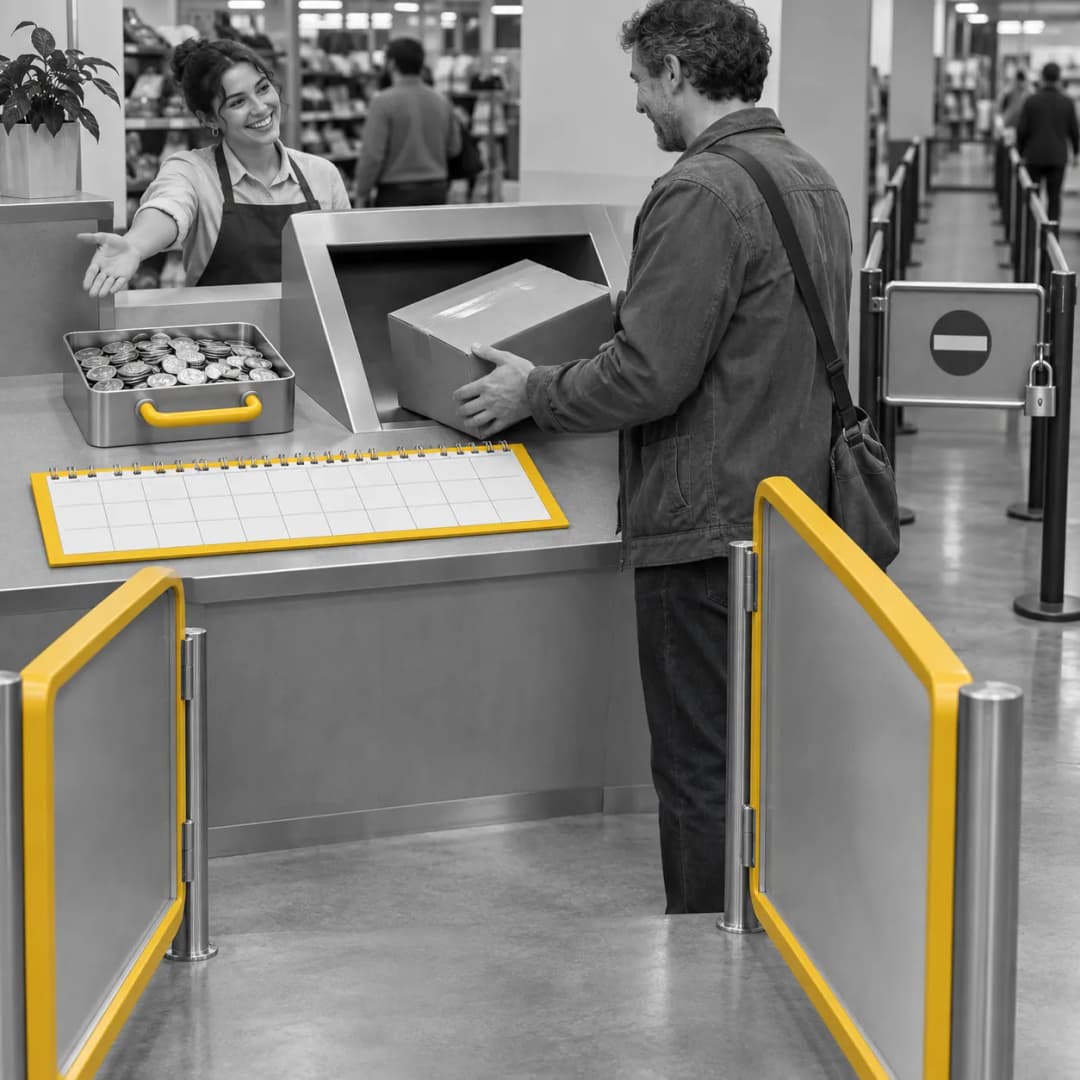
How generous a seller's terms are for taking goods back, measured by time allowed, money refunded, effort required and which items qualify.
What it is
Lenient policies raise purchases more than they raise returns, according to a 2016 meta-analysis. One proposed reason is that the longer people keep something, the more it feels like theirs. On this site it is read alongside Endowment Effect, Loss Aversion and Psychological Ownership.
In effect
In Kahneman, Knetsch and Thaler's 1990 experiments, students given a mug put its median value at $7.12, against $3.12 for students choosing between the mug and cash.
What it does not say
It is not the same thing as Endowment Effect, which sits close to it on this site but describes a different part of how people decide. It also does not say that the finding reaches every product, buyer or setting; where this page goes beyond the cited research, the step is an inference and is labelled as one.
Sources
- Experimental economist; co-author with Kathryn Zeiler of the 2005 and 2007 American Economic Review papers questioning endowment effect theory, and of the 2011 reply to Isoni, Loomes and Sugden.
- Co-author with Charles Plott of the 2005, 2007 and 2011 American Economic Review papers on the willingness to pay and willingness to accept gap; the 2007 paper is held in Boston University School of Law's faculty scholarship repository.