Risk Compensation
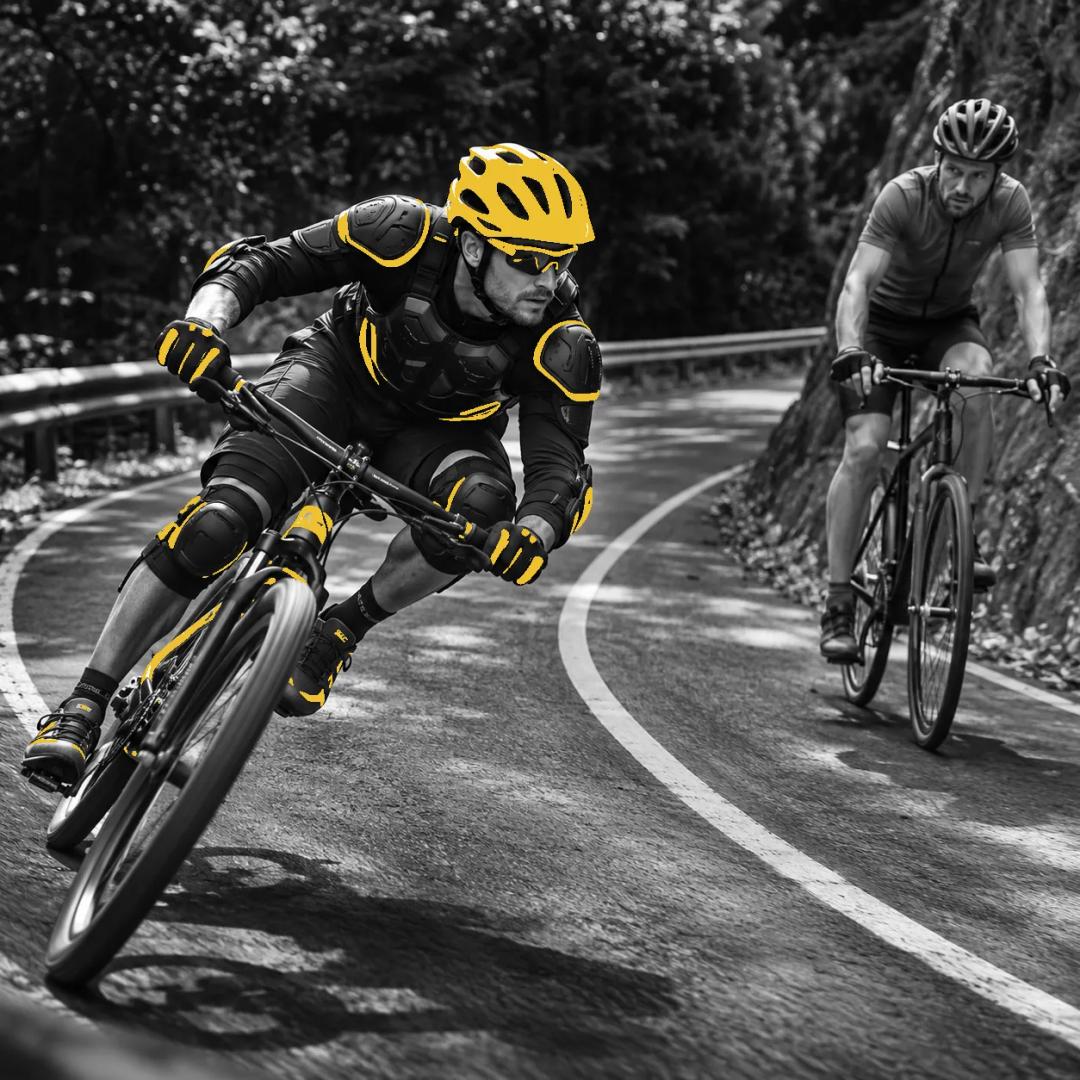
The idea that people take more risks when a safety measure makes them feel safer.
What it is
Risk compensation holds that a safety measure can change behaviour in ways that offset part of its benefit. Economists discussed it as offsetting behaviour after Sam Peltzman's 1975 study of automobile safety regulation, and Crandall and Graham set out in 1984 why the net effect of a mandated device is unclear. The field evidence is mixed: taxi drivers with antilock brakes kept shorter headways in a 1997 study, while a 2018 systematic review of bicycle helmets found little support for the hypothesis.
In effect
In the article on whether safety features make us take more risks, risk compensation is the claim weighed against the field evidence, study by study.
What it does not say
It does not say that safety measures fail or should be dropped; a 2000 review concluded that the theory is relevant to injury prevention and that most unintended consequences arise from the environment, not simply from individual behaviour.
Sources
- Crandall, R. W., & Graham, J. D. (1984). Automobile safety regulation and offsetting behavior: Some new empirical estimates. American Economic Review, 74(2), 328-331.
- Sagberg, F., Fosser, S., & Saetermo, I.-A. F. (1997). An investigation of behavioural adaptation to airbags and antilock brakes among taxi drivers. Accident Analysis & Prevention, 29(3), 293-302.
- Hedlund, J. (2000). Risky business: safety regulations, risk compensation, and individual behavior. Injury Prevention, 6(2), 82-89.
- Esmaeilikia, M., Radun, I., Grzebieta, R. H., & Olivier, J. (2018). Bicycle helmets and risky behaviour: A systematic review. Transportation Research Part F: Traffic Psychology and Behaviour, 60, 299-310.