Rounded Price Effect
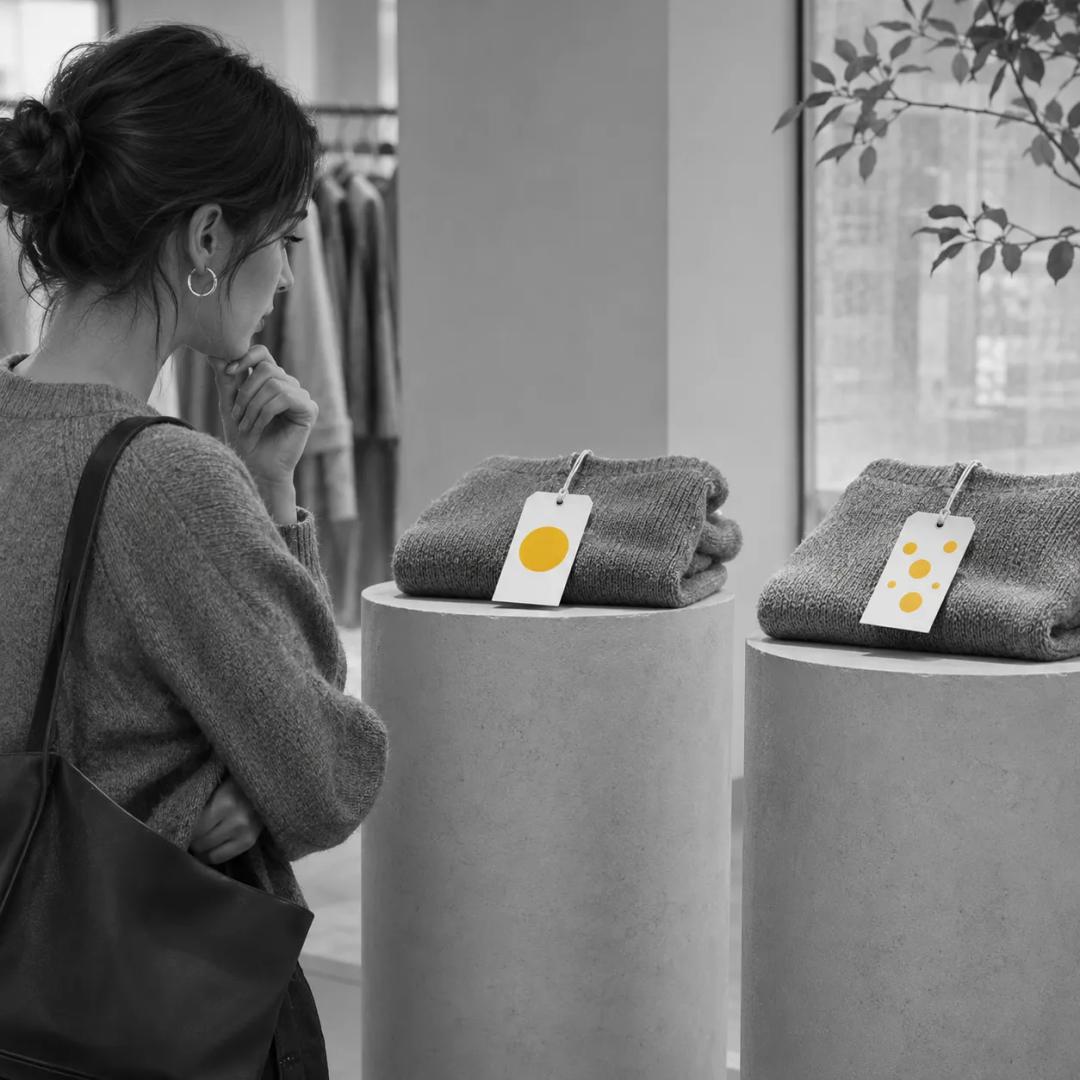
The proposal that round prices are read fluently and suit purchases decided by feeling, while non-round prices suit purchases decided by thought.
What it is
Monica Wadhwa and Kuangjie Zhang reported across five studies in 2015 that a match between the form of the price and the way the buyer is deciding produces a sense of feeling right, which carried the effect on product evaluations. Christopher Harms, Hanna Genau, Carolin Meschede and André Beauducel ran a replication with 588 participants in 2018 and found neither the interaction nor the mediation through feeling right for the original product and one alternative, and suggested the effect is smaller than first reported or depends on factors not yet tested.
In effect
In the article on prestige pricing, the rounded price effect is the proposed reason a round figure might feel right in a purchase made on feeling, set beside the replication that did not find it.
What it does not say
It is not a settled finding; the original studies and the replication point in different directions.
Sources
- Wadhwa, M., & Zhang, K. (2015). This number just feels right: The impact of roundedness of price numbers on product evaluations. Journal of Consumer Research, 41(5), 1172-1185.
- Harms, C., Genau, H. A., Meschede, C., & Beauducel, A. (2018). Does it actually feel right? A replication attempt of the rounded price effect. Royal Society Open Science, 5(4), 171127.