Satiation
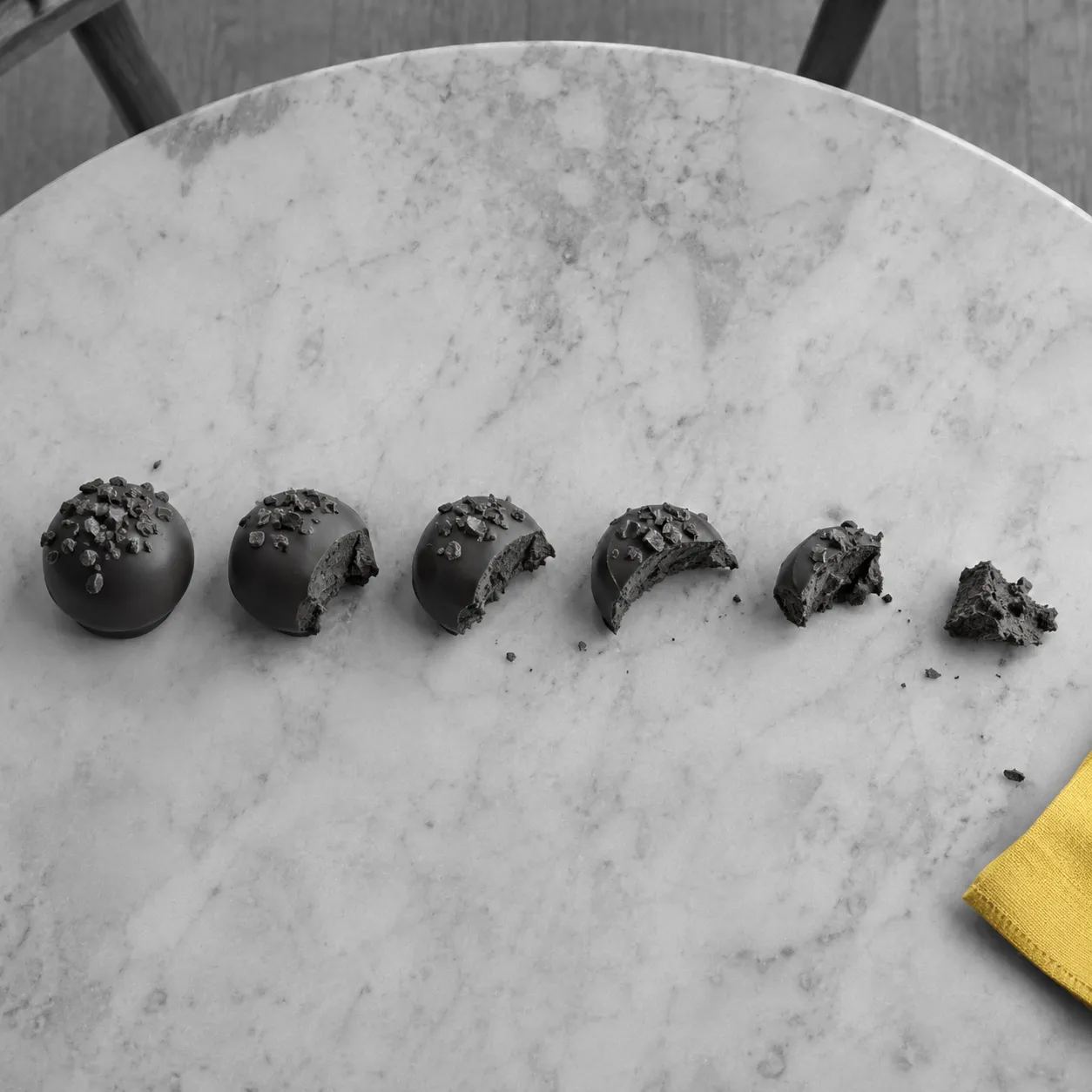
The decline in enjoyment of an experience as it is repeated or continued.
What it is
Joseph Redden proposed in 2008 that satiation depends on how repetitive a run of experiences seems within a category. Jeffrey Larson, Redden and Ryan Elder found in 2014 that people who repeatedly rated or chose among pictured foods that resembled one another later enjoyed a similar food less, as if they had eaten it, with mental simulation of taste as the likely route. Marion Hetherington and colleagues found in 1989 that the pleasantness of a food just eaten dropped most steeply within the first two minutes.
In effect
In the article on why food tastes less good with each bite, satiation is the wider pattern of which the fading first bite is one case.
What it does not say
It does not concern how much anyone should eat; the studies measured enjoyment and pleasantness ratings.
Sources
- Redden, J. P. (2008). Reducing satiation: The role of categorization level. Journal of Consumer Research, 34(5), 624-634.
- Larson, J. S., Redden, J. P., & Elder, R. S. (2014). Satiation from sensory simulation: Evaluating foods decreases enjoyment of similar foods. Journal of Consumer Psychology, 24(2), 188-194.
- Hetherington, M., Rolls, B. J., & Burley, V. J. (1989). The time course of sensory-specific satiety. Appetite, 12(1), 57-68.
- Shepherd, G. M. Neurogastronomy.