Similarity and Dissimilarity Testing
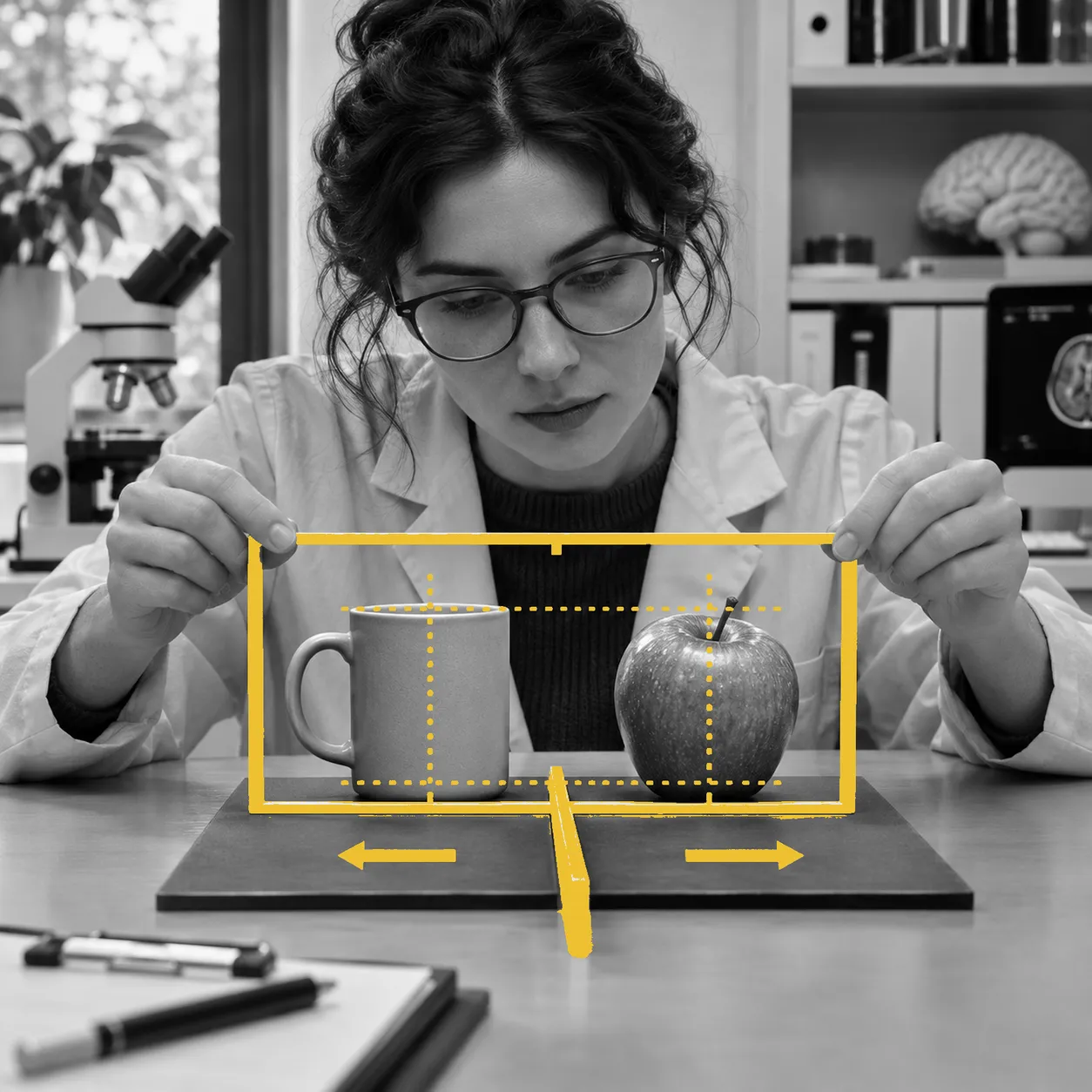
Two comparison processes that retrieve knowledge of likeness or of difference and so lead to assimilation or contrast.
What it is
Thomas Mussweiler proposed that a comparison begins with a quick test of similarity or dissimilarity. Similarity testing makes knowledge of how a person and a standard are alike easy to retrieve and typically produces assimilation; dissimilarity testing makes knowledge of difference easy to retrieve and typically produces contrast.
In effect
In the article on why we compare ourselves to others, it explains why the same comparison can lift or lower a self-view.
What it does not say
It describes a mechanism for comparison effects; it does not predict which test a given person will start with.
Sources
- Mussweiler, T. (2003). Comparison processes in social judgment: Mechanisms and consequences. Psychological Review, 110(3), 472-489.