Situational Impairment
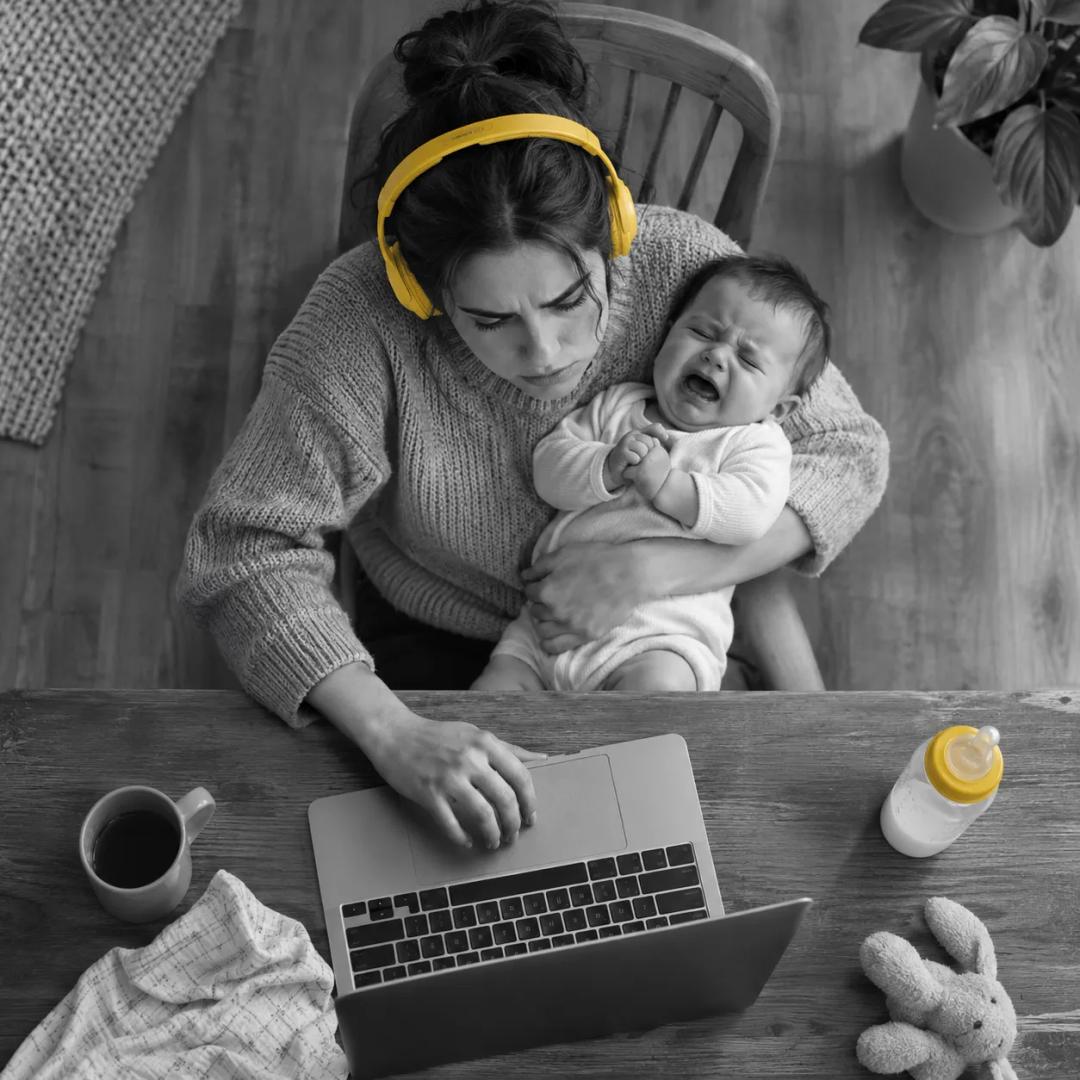
Situational impairment is a temporary limit on seeing, hearing, moving or attending that comes from the context of use, not from a lasting condition.
What it is
Reading a phone while walking in bright sun with one hand full of shopping is a temporary loss of vision, steadiness and grip. Leon Barnard and colleagues examined this in a 2007 paper in Personal and Ubiquitous Computing. Mobile devices are used in changing settings but are usually evaluated in static ones, so the study varied motion, lighting and task type and measured performance and workload.
Ordinary contextual changes substantially altered behaviour, and the factors interacted, which the authors said evaluators should take into account.
In effect
Situational impairment is one route by which a minority provision becomes a majority convenience. A feature that works for someone who cannot hear also works in a loud cafe, on a train without headphones or beside a sleeping child.
It supports the curb-cut effect: the effect depends on how often ordinary life puts people briefly in the position a fix was designed for.
What it does not say
The concept does not equate a passing limit with a permanent disability, or say that the needs are the same. The 2007 study concerned mobile devices and varied motion, lighting and task type. It does not measure other settings. The page makes no claim about diet or health.
Sources
- Barnard, L., Yi, J. S., Jacko, J. A., & Sears, A. (2007). Capturing the effects of context on human performance in mobile computing systems. Personal and Ubiquitous Computing, 11(2), 81-96. https://doi.org/10.1007/s00779-006-0063-x
- Blackwell, A. G. (2017). The curb-cut effect. Stanford Social Innovation Review, 15(1), 28-33. https://doi.org/10.48558/YVMS-CC96