Social Identity Model of Deindividuation Effects
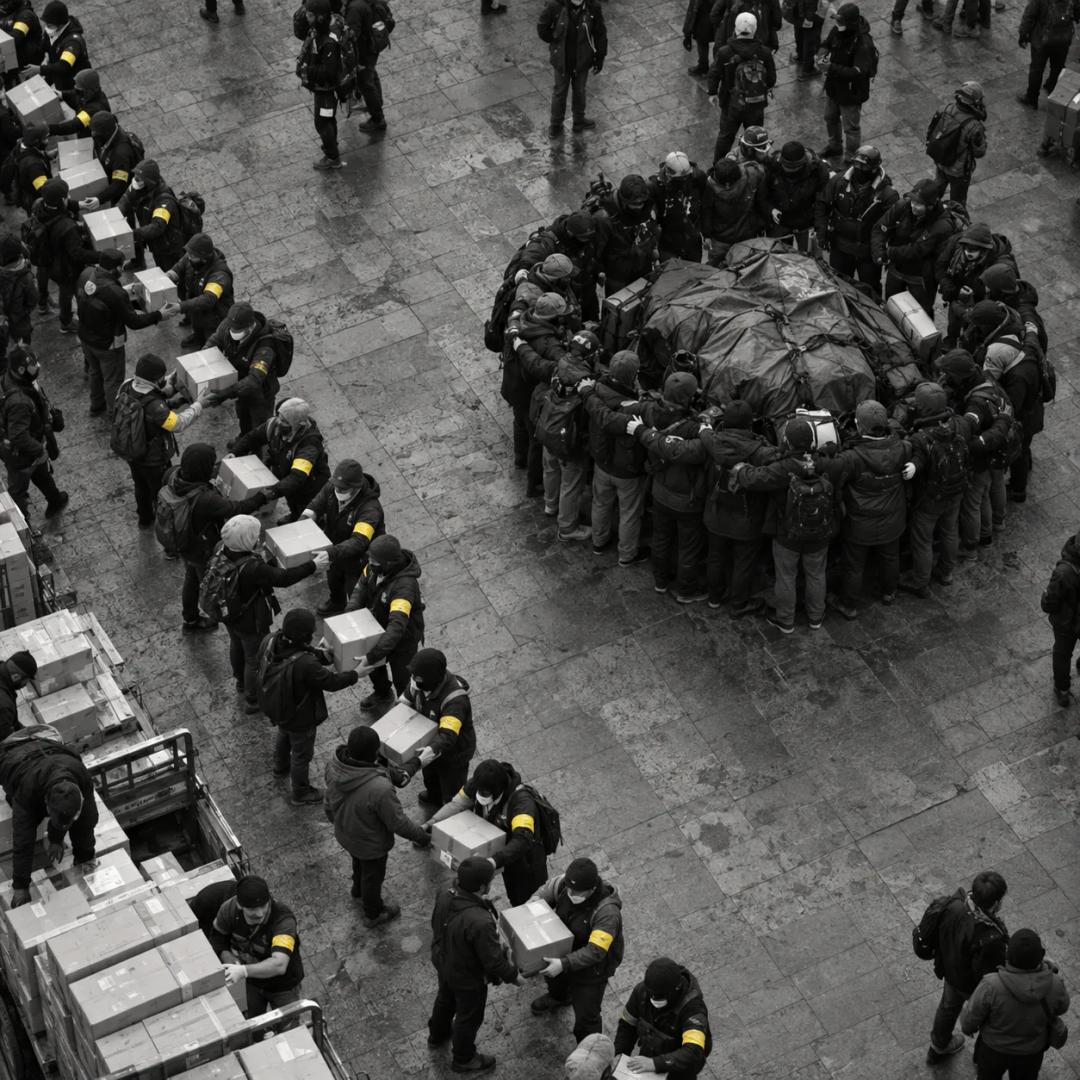
The social identity model of deindividuation effects was set out in 1995 by Stephen Reicher, Russell Spears and Tom Postmes in a chapter in European Review of Social Psychology. It explains behaviour that deindividuation theory attributed to a lost self through social identity: the group a person is acting as a member of, and the norms that go with that group. The 1998 meta-analysis of 60 studies by Postmes and Spears concluded that its results were inconsistent with deindividuation theory and fitted this model. Its evidence status is mixed.
What it is
The model starts from the same material as deindividuation theory, the effects of anonymity, self-awareness and group size on behaviour in groups, and offers a different account of why those effects occur. Deindividuation theory says people in these conditions lose their sense of self and with it their restraint. The social identity model says the effects work through identity: when a person acts as a member of a group, the norms of that group and of the setting guide what they do.
The chapter is Reicher, S. D., Spears, R., & Postmes, T. (1995), A social identity model of deindividuation phenomena, in European Review of Social Psychology, volume 6, 161-198, edited by Miles Hewstone and Wolfgang Stroebe. This page uses the chapter's title and bibliographic details; the detailed argument is reported only as far as the 1998 meta-analysis describes it.
In effect
The test of the model came in the 1998 meta-analysis in Psychological Bulletin. Its 60 independent studies gave little support for deindividuated antinormative behaviour or for a deindividuated state. Behaviour was better explained by the norms of the specific situation than by general social norms, and groups and individuals conformed more to situation-specific norms when they were deindividuated. The authors describe those results as inconsistent with deindividuation theory and as supporting the social identity model.
An implication follows for how a crowd is described. If behaviour tracks situation-specific norms, then two crowds with different shared identities should behave differently, because each is following the norms of its own group in its own setting. A single crowd mentality that applies to everyone in a crowd does not predict that difference. This is an implication drawn on this site from the meta-analysis's conclusion, not a separate finding.
What it does not say
It does not say that group behaviour is always positive or always rule-following. It says that the rules a group follows come from its identity and setting.
It does not rest on one study. The support cited here is the pooled pattern in the 1998 meta-analysis, reported at abstract level.
It does not close the question. The meta-analysis fits the model better than deindividuation theory, and later research can refine or revise it.
Sources
- Reicher, S. D., Spears, R., & Postmes, T. (1995). A social identity model of deindividuation phenomena. European Review of Social Psychology, 6, 161-198.
- Postmes, T., & Spears, R. (1998). Deindividuation and antinormative behavior: A meta-analysis. Psychological Bulletin, 123(3), 238-259.