Souvenirs as Evidence of the Experience
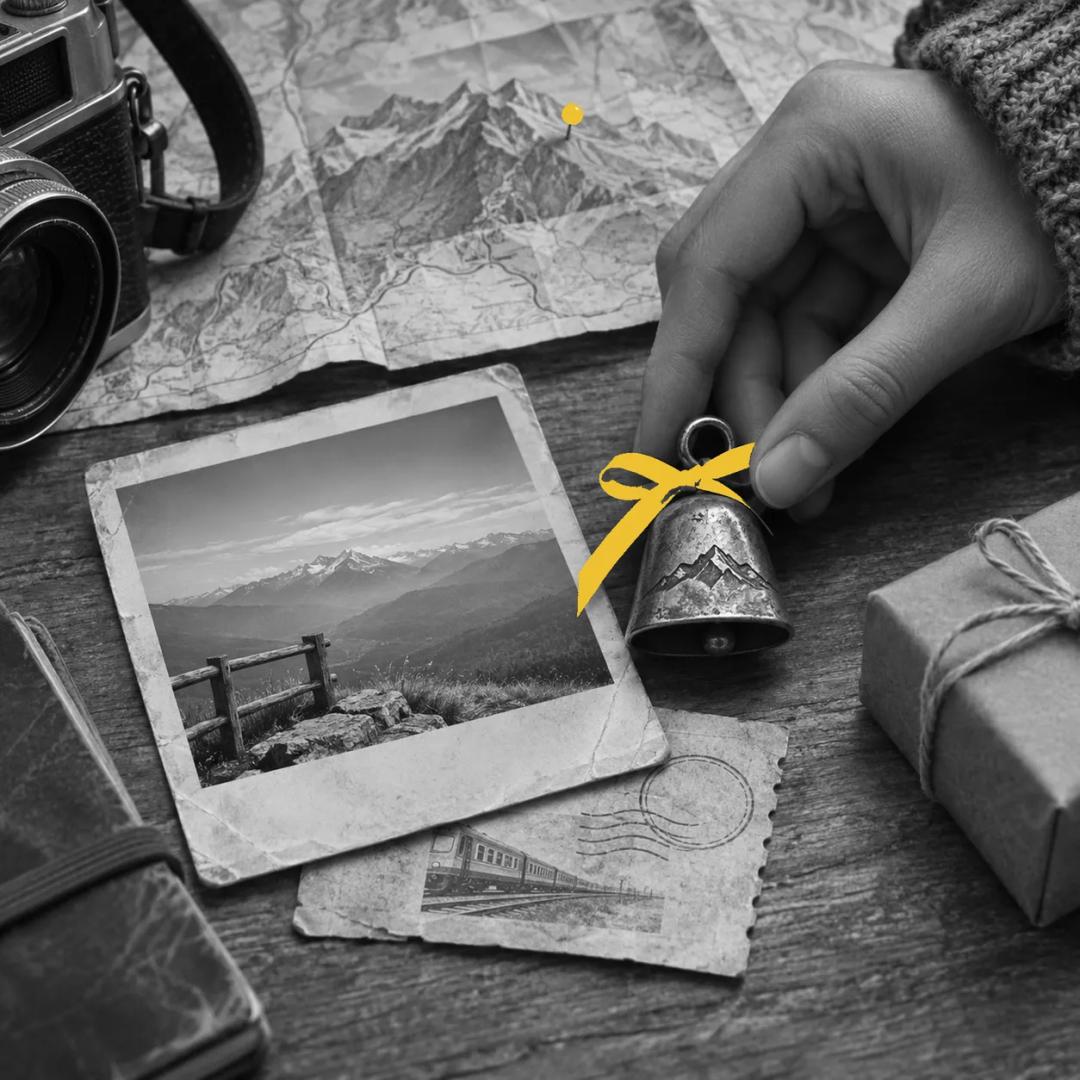
Souvenirs as evidence of the experience is the finding that tourists give their keepsakes one main job: proving the trip happened. Memory and gift-giving come after it.
What it is
Hugh Wilkins studied what tourists buy as souvenirs and why, and examined how gender shapes the choices. The 2011 study found that souvenirs serve mainly as evidence of the experience, and it highlighted two further roles, as a support for memory and as a gift for others.
A 2015 interview study by Pavlos Paraskevaidis and Konstantinos Andriotis adds a way of thinking about the objects. It treats souvenirs as commodities and applies use value, exchange value and sign value, with a proposed fourth, spiritual value, to identify what tourists expect a souvenir to do.
In effect
In the article, this is the buyer's side of the price of a trip. The object stands in for the trip, and it can be shown, given or kept.
What it does not say
The studies describe what tourists say about their purchases. They do not show that a souvenir improves memory, and they do not compare one kind of object against another.
Sources
- Wilkins, H. (2011), Journal of Travel Research 50(3), 239-247.
- Paraskevaidis, P. and Andriotis, K. (2015), Tourism Management 48, 1-10.