Systematic Breaks
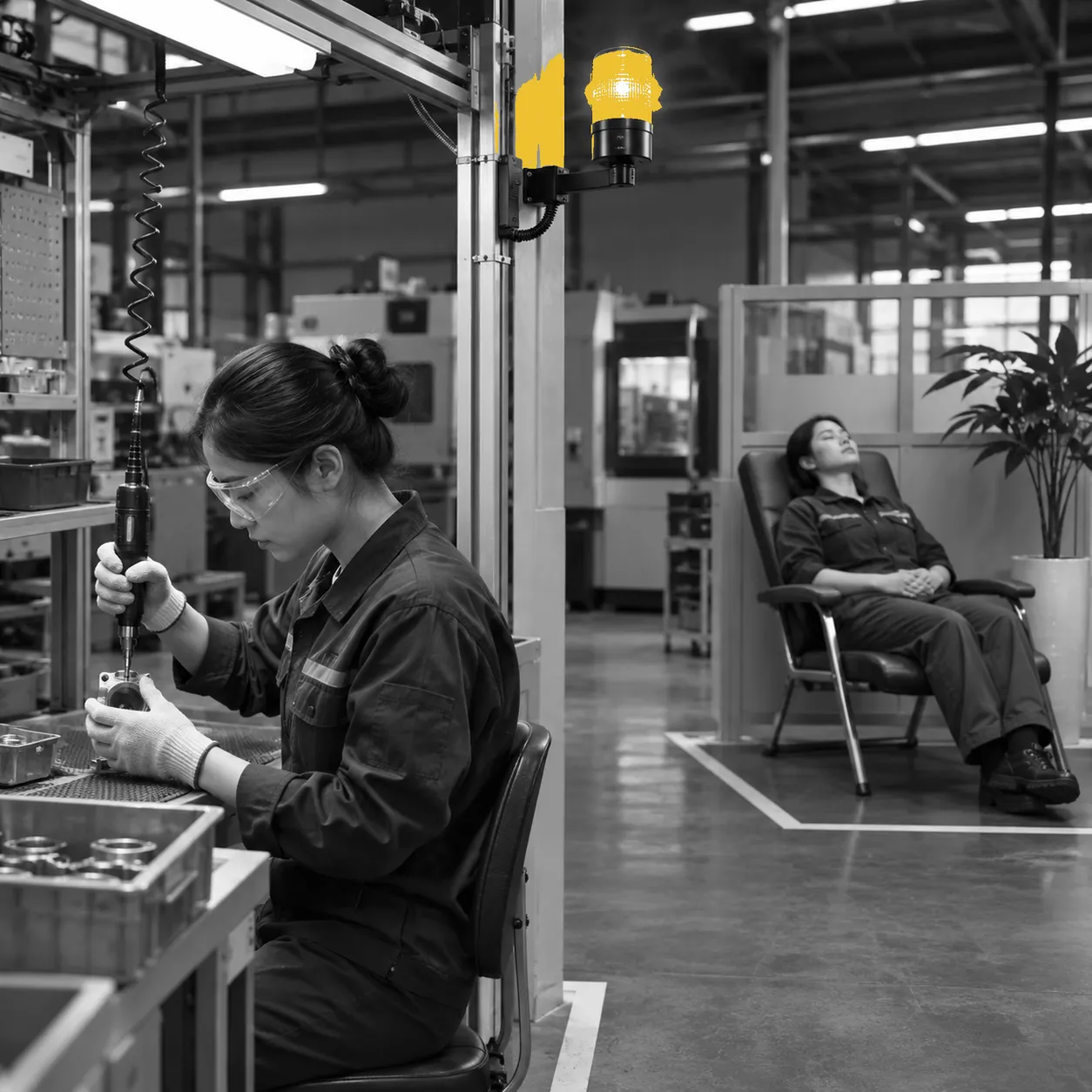
Breaks whose timing and length are fixed in advance, as against breaks the worker chooses.
What it is
Researchers use the term to compare fixed break rules, such as 25 minutes of study followed by 5 minutes of rest, with breaks people take when they choose. In a one-day study, students on systematic breaks reported less fatigue and distraction than students choosing their own. A reading study with 176 students found the reverse on mood. Neither found a difference in task completion or comprehension.
In effect
In the article on whether the Pomodoro technique works, it names the variable the studies tested: who decides when the break comes.
What it does not say
It does not mean fixed breaks are better or worse in general. The results changed with the task and the study, and the samples were students.
Sources
- Biwer, F., Wiradhany, W., oude Egbrink, M. G. A., & de Bruin, A. B. H. (2023). Understanding effort regulation: Comparing Pomodoro breaks and self-regulated breaks. British Journal of Educational Psychology, 93(S2), 353-367.
- Smits, E. J. C., Wenzel, N., & de Bruin, A. B. H. (2025). Investigating the effectiveness of self-regulated, Pomodoro, and Flowtime break-taking techniques among students. Behavioral Sciences, 15(7), 861.
- Göksu, A., Wiradhany, W., & de Bruin, A. B. H. (2026). When to take a break: Comparing effects of systematic short (Pomodoro) and self-regulated breaks on subjective experience and actual learning. Behavioral Sciences, 16(7), 1158.