The Hot Cold Empathy Gap
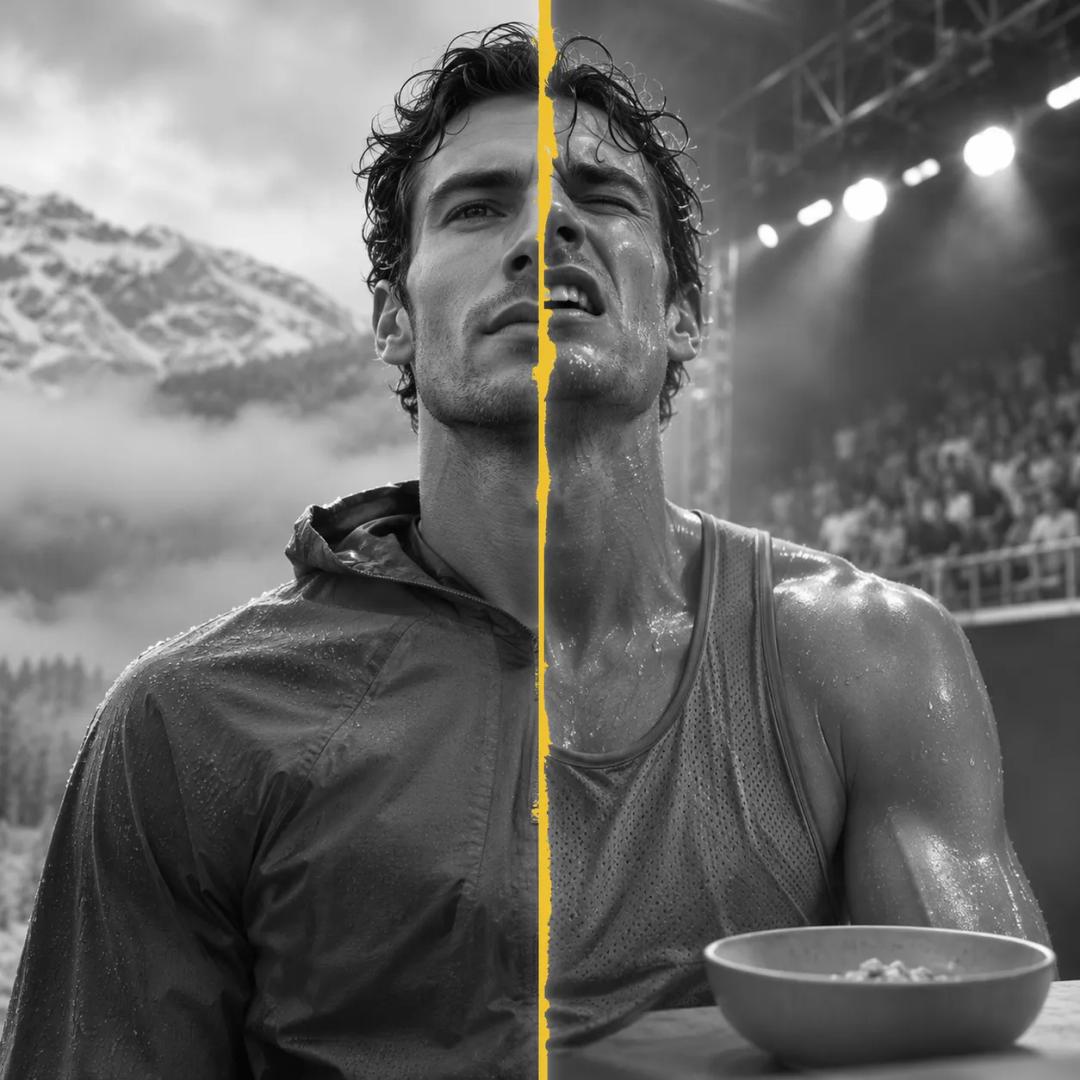
The difficulty of imagining how a different level of arousal will change what a person wants and does.
What it is
In a calm state people struggle to imagine how they will feel and act when hungry, tired, afraid or excited, and in a heated state they struggle to imagine being calm. Richard Thaler and Cass Sunstein describe it in Nudge, noting that people who know they act differently when aroused still underestimate how much. Studies by Leaf Van Boven, George Loewenstein and colleagues found that people's own passing states shaped their predictions for themselves and for others.
In effect
In the article on the hot-cold empathy gap, cold and hot states alternate through studies of food choice, thirst and embarrassment.
What it does not say
It is not a claim about willpower running out. It describes a mistake in prediction across a change of state, and the studies concern everyday choices, not any clinical condition.
Sources
- Thaler, R. H., & Sunstein, C. R. Nudge.
- Read, D., & van Leeuwen, B. (1998). Predicting hunger: The effects of appetite and delay on choice. Organizational Behavior and Human Decision Processes, 76(2), 189-205.
- Van Boven, L., & Loewenstein, G. (2003). Social projection of transient drive states. Personality and Social Psychology Bulletin, 29(9), 1159-1168.
- Van Boven, L., Loewenstein, G., Welch, E., & Dunning, D. (2012). The illusion of courage in self-predictions: Mispredicting one's own behavior in embarrassing situations. Journal of Behavioral Decision Making, 25(1), 1-12.