The Pandora Effect
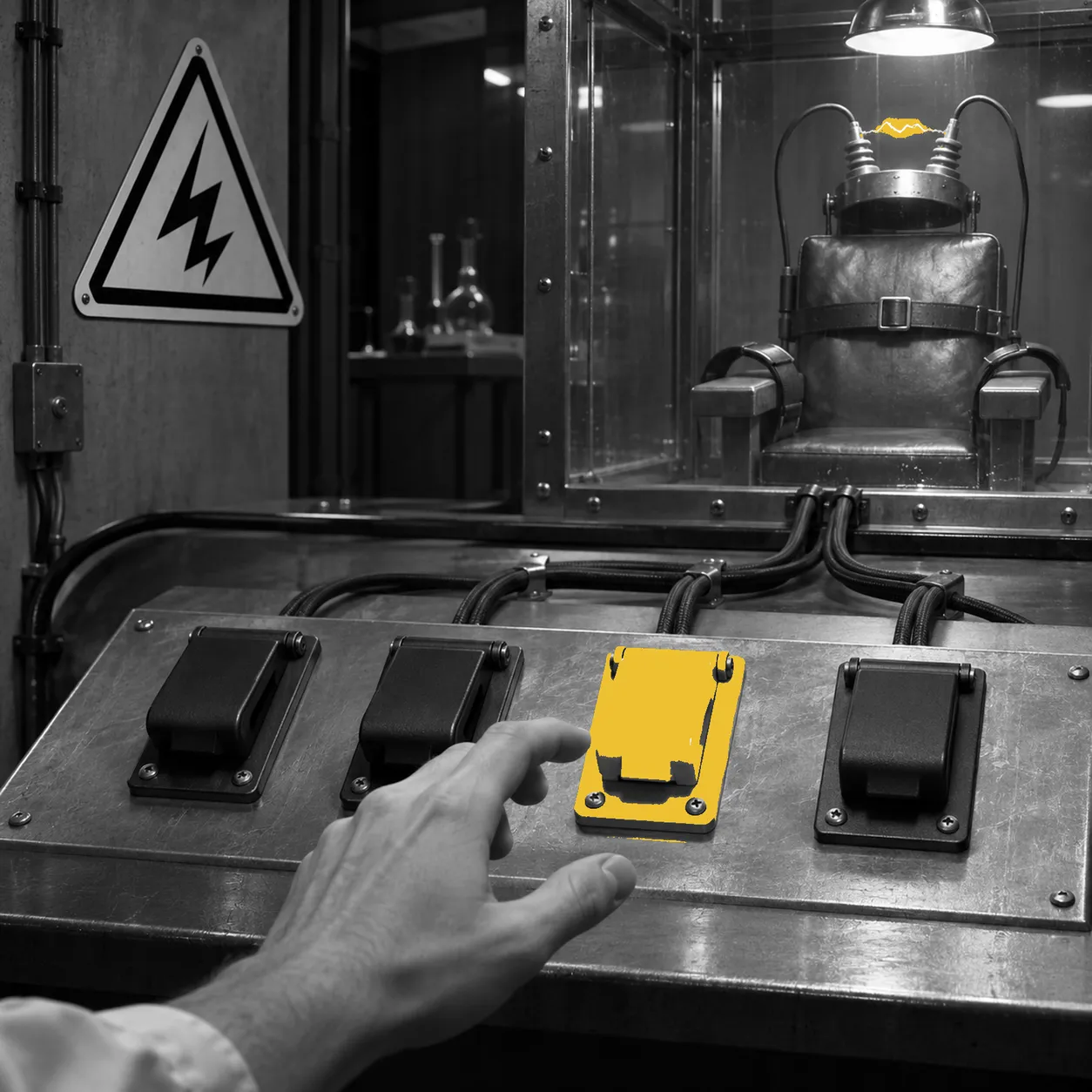
The Pandora effect is the finding that curiosity can lead people to seek information even when they expect it to be unpleasant. Four experiments in 2016 reported it.
What it is
Christopher Hsee and Bowen Ruan reported four controlled experiments in Psychological Science. Curiosity led people to expose themselves to aversive stimuli, including electric shocks, with no apparent benefit. The authors suggest an inherent drive to resolve uncertainty, strong enough to operate even when negative consequences are expected.
The name draws on the old story of a jar that should have stayed closed.
In effect
In the article on mystery boxes, the effect shows how strong the wish to resolve uncertainty can be. In a box where every outcome is pleasant, the same wish needs only a small push. That reading is our interpretation.
What it does not say
The experiments used unpleasant stimuli in a laboratory and did not involve purchases. They do not say that curiosity is a problem, and they say nothing about the products sold in boxes.
Sources
- Hsee, C. K. and Ruan, B. (2016), Psychological Science 27(5), 659-666.