Tipping Norm
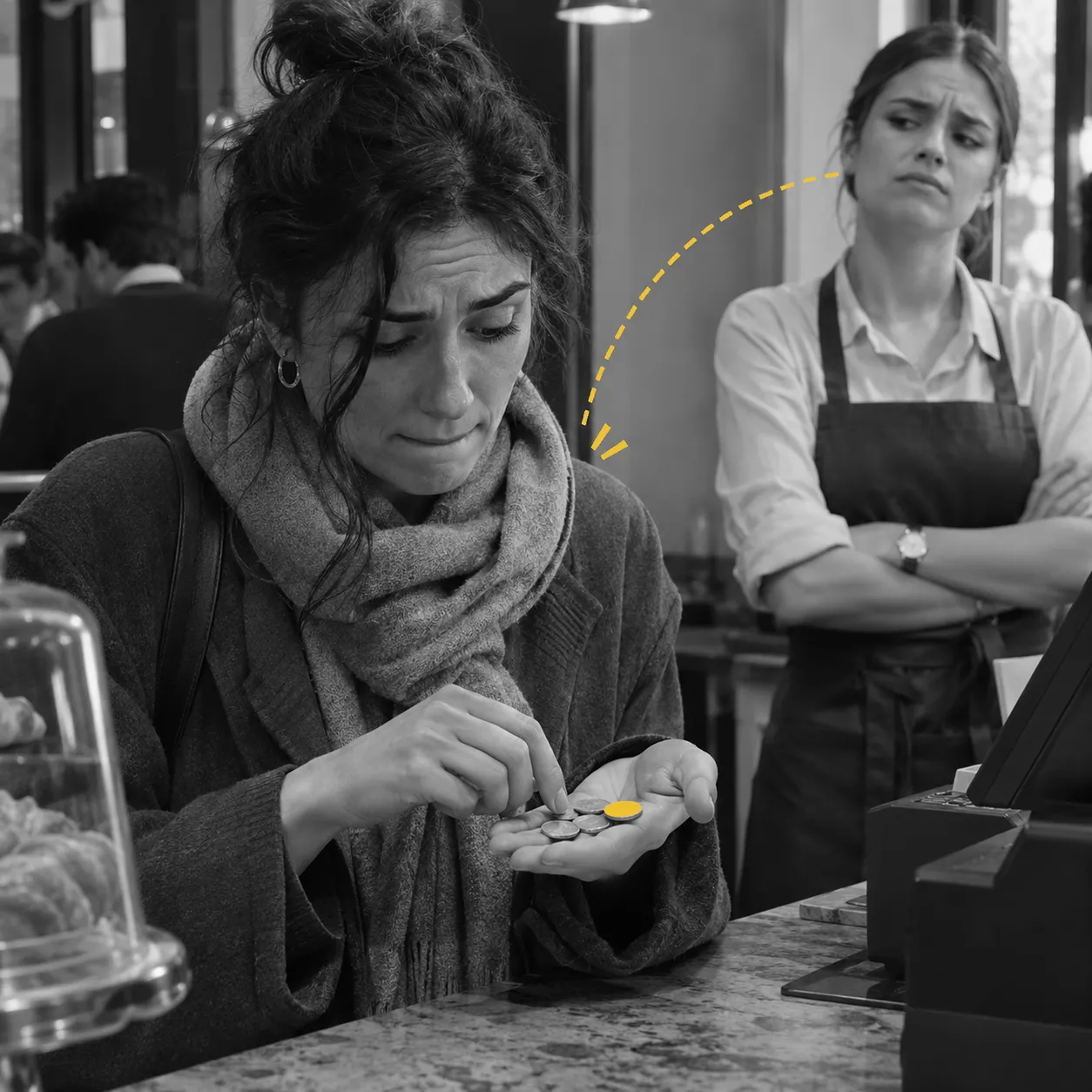
A shared expectation of leaving some amount after service.
What it is
Conlin, Lynn and O'Donoghue modelled customers as weighing their own material well-being against the discomfort of breaking the norm, and concluded that the overall pattern is only partly efficient. The idea is credited to Michael Conlin, Michael Lynn and Ted O'Donoghue (2003).
In effect
In the article on why we tip, the norm model fits leaving money where no later benefit is on offer. Tip percentages follow service quality to some degree, but not fully.
What it does not say
It is a model of why people leave money after service. It does not set what a fair tip is, and customs differ from place to place.
Sources
- Conlin, M., Lynn, M., & O'Donoghue, T. (2003). The norm of restaurant tipping. Journal of Economic Behavior & Organization, 52(3), 297-321.
- Lynn, M., & McCall, M. (2000). Gratitude and gratuity: a meta-analysis of research on the service-tipping relationship. The Journal of Socio-Economics, 29(2), 203-214.
In these themes
- Paying
How the way we pay changes what we spend and how it feels.