Wishful Identification
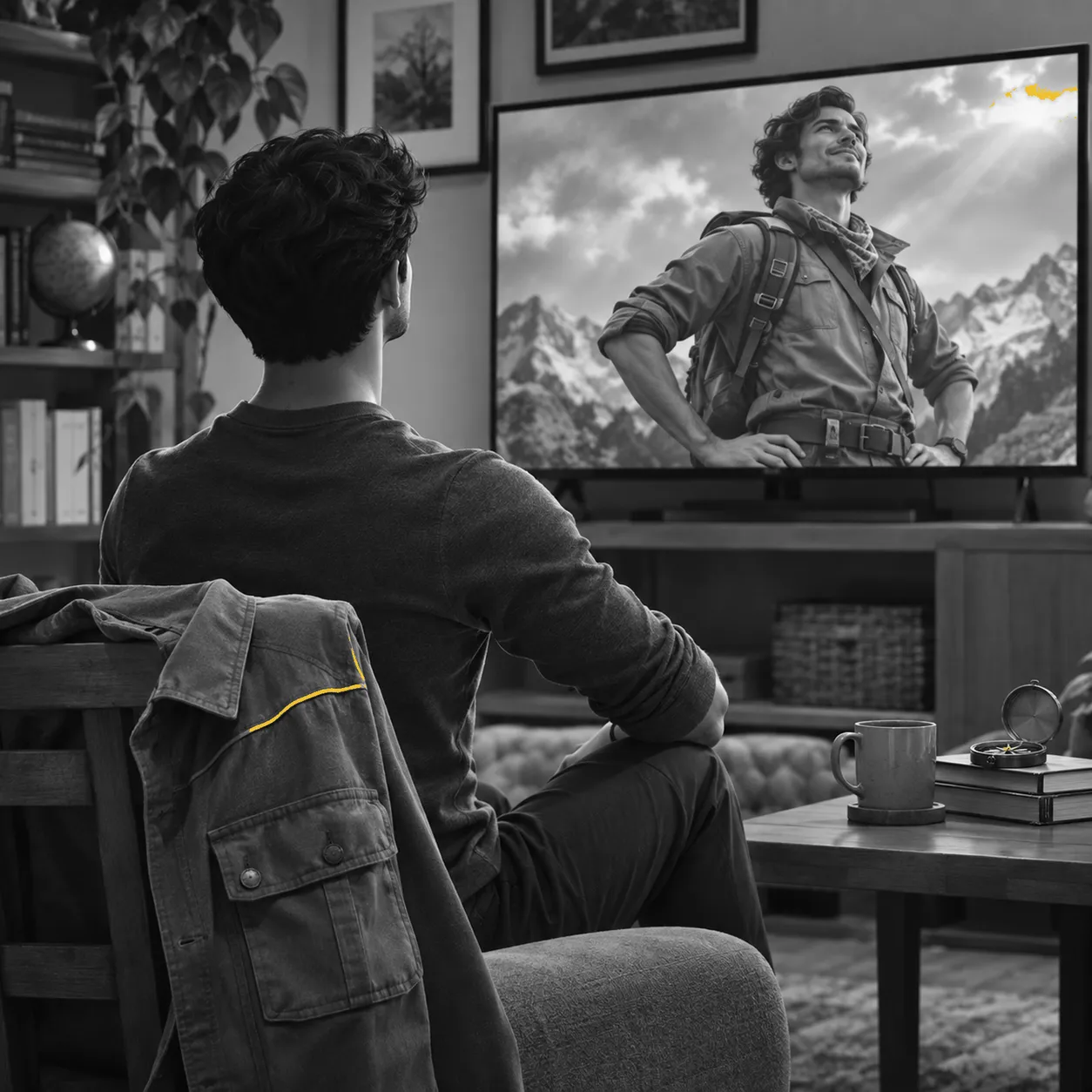
Wishful identification is wanting to be like a character or to act like one. Cynthia Hoffner and Martha Buchanan surveyed 208 young adults in 2005 about favourite television characters.
What it is
Wishful identification is wanting to be like a character or to act like one. It is distinct from liking a character and from approving of what a character does. A viewer can wish to be like someone for their confidence, their skill or their place in the story, without wanting any of their actions.
Cynthia Hoffner and Martha Buchanan surveyed 208 young adults in 2005 about their favourite fictional television characters and measured how much respondents wanted to be like them. Wishful identification was stronger with characters of the same gender and with characters seen as similar in attitudes. It was a correlational survey, so it shows which things go together and not what causes what.
In effect
In the article on why we love villains, wishful identification is the longer-standing finding on resemblance and attachment. It shows that likeness to a character has drawn people for a long time, which makes the villain finding less surprising. Where the villain similarity effect is about resembling a character as one already is, wishful identification is about wanting to become more like one, and the two sit side by side in the article.
What it does not say
It does not say that wishful identification is the same as approval of what a character does. It does not show that identification changes behaviour. The survey was of young adults and of favourite television characters, so it cannot be assumed to hold for other ages or media.
Where it comes from
The study sits within a longer line of media research on how audiences attach to characters, in which perceived similarity and admiration both play a part. The measure used here comes from Hoffner and Buchanan's paper in Media Psychology, 2005. No further originator is traced on this site.
What the research found
The 2005 survey found that identification with a favourite character was stronger when the character was of the same gender as the viewer and when the character was seen as having attitudes similar to the viewer's. The finding connects to work on perceived similarity in attraction more broadly. A 2008 meta-analysis by R. Matthew Montoya and colleagues, noted elsewhere on this site, found that perceived similarity predicted attraction between people at every stage studied, from no interaction to existing relationships.
Where opinion differs
Researchers separate several ways of attaching to a character, including seeing oneself as similar, wanting to be like the character, and feeling with the character. They differ on how far these are one process or several. The survey here measured wanting to be like a character and similarity separately and found them related, which does not settle whether one causes the other. This site reports the relationship as found.
How this site uses it
The Why We Project uses wishful identification in its piece on why we love villains as an earlier finding on resemblance, and as a contrast with the villain similarity effect. It is presented as a correlation from one survey.
Sources
- Hoffner, C. and Buchanan, M. (2005), Media Psychology 7(4), 325-351.
- Montoya, R. M. and colleagues (2008), on perceived and actual similarity in attraction.