WYSIATI
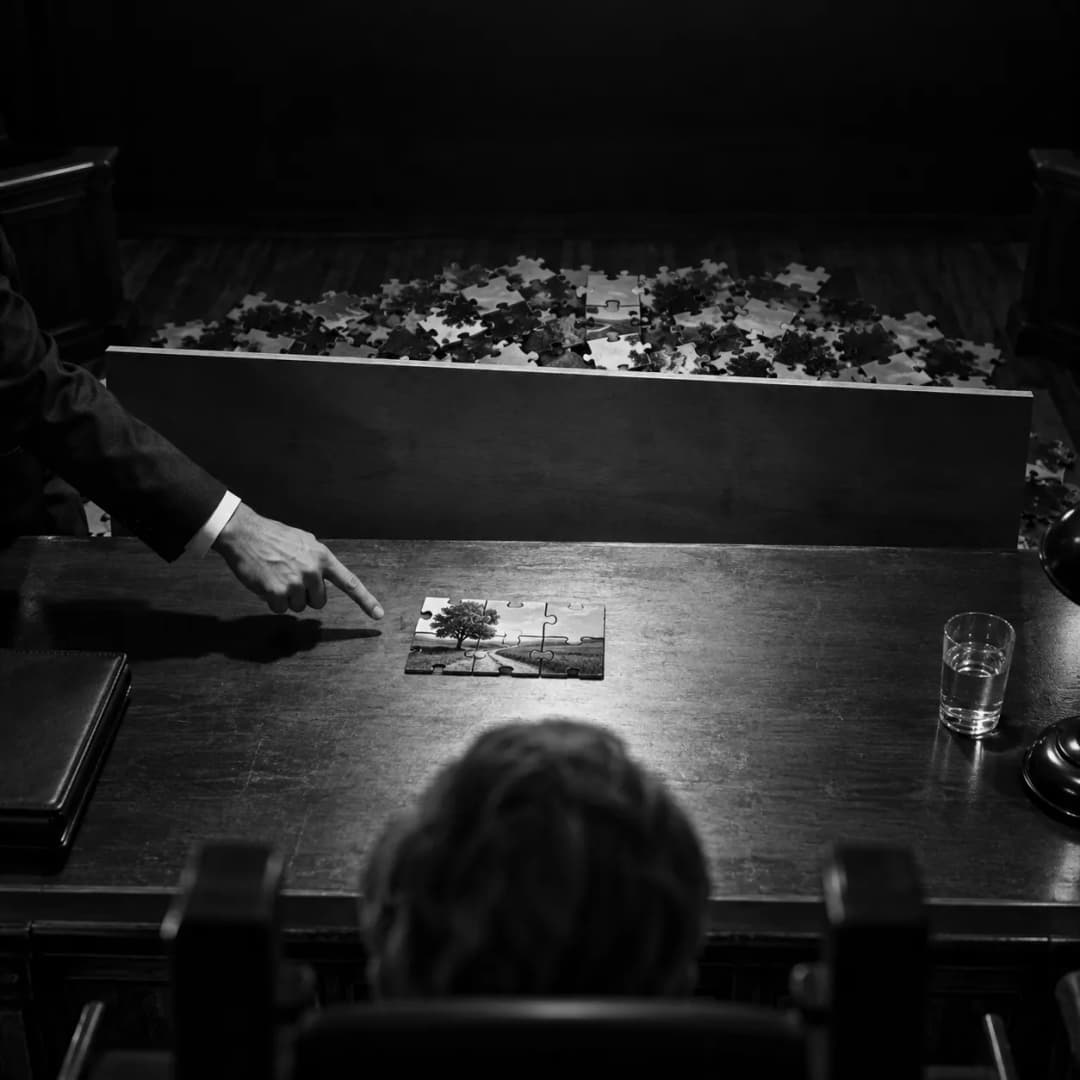
WYSIATI is short for what you see is all there is. The fast part of the mind builds the best possible story out of whatever information happens to be active at that moment, and has no machinery for representing information it does not have. Confidence therefore tracks the coherence of the story rather than the quantity or quality of the evidence behind it. The corollary is the part worth carrying: less information can produce more confidence. The abbreviation is Daniel Kahneman's. It is a framework rather than a single testable effect, which is why this page is marked mixed.
What it is
Missing evidence does not register as missing. It registers as nothing at all, which is why there is no internal signal warning you that your story is thin. A small set of facts is easier to make coherent than a rich one, so the thinner the evidence, the smoother the story and the surer the judgement.
Kahneman treats it as the engine underneath several biases that get taught separately, naming overconfidence, framing effects and base-rate neglect as consequences.
Attribution should be recorded in three parts rather than filed under the most famous name available. The abbreviation is Kahneman's own, introduced in chapter 7 of Thinking, Fast and Slow. He credits the recurring joke behind it to Amos Tversky, who in turn attributed it to a philosophy professor the book does not name. Kahneman for the label, Tversky for the idea in its joking form, and an unnamed third person behind that.
The demonstration is a legal-scenario study Kahneman credits to Tversky, run with two graduate students at Stanford. Participants read a fictional civil case about a trespass. Some saw one side's evidence only; others saw both. Participants who saw one-sided evidence were more confident in their judgement than those who saw both sides. Being told how the study was constructed did not help, and neither did knowing the lawyers, because the missing arguments were exactly the sort a person could have inferred for themselves had the absence registered at all. It did not.
The book prints no sample size for that study and does not name the two graduate students. This page carries the result and no figure.