Arnold van Gennep
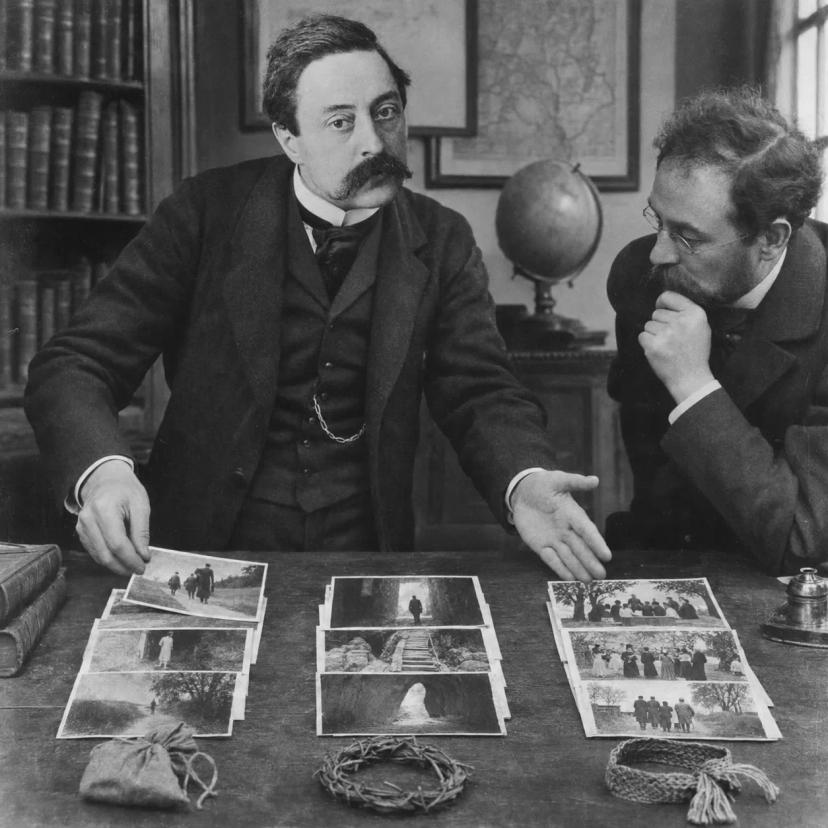
Arnold van Gennep wrote Les rites de passage (1909), a comparative study of ceremonies that mark a person's move from one status to another. He described a recurring sequence of separation, transition and incorporation.
Who they are
Van Gennep is known here for one book. Encyclopaedia Britannica describes Les rites de passage as his major work and says it systematically compares ceremonies that mark a move from one status to another within a society. He read them as forms of social regeneration and drew on natural symbols such as death and rebirth.
Key papers
Les rites de passage (1909). The book proposed that ceremonies of changing status share a three-part structure of separation, transition and incorporation. Its middle phase was later called the liminal phase and developed by Victor Turner from the 1960s.
Key ideas
The central idea is the three-part sequence. The middle phase, in which a person has left one status and not yet entered the next, is the part that later writers took furthest. The word liminal is now used outside anthropology, including in Nir Eyal's Indistractable, for the transitions between activities in a day.
Sources
- van Gennep, A. (1909). Les rites de passage.
- Encyclopaedia Britannica, entry on Arnold van Gennep.
Articles that cite Arnold van Gennep
- What is a liminal moment?
The word comes from the study of ceremonies and now describes the gaps in a working day. The evidence sits with the older meaning: what happens to habits, and to choices, in the interval between two…
Concepts on this site
- Liminal Phase
The liminal phase is the middle phase of a rite of passage, after a person has left one status and before the next has been entered. Arnold van Gennep described the three-part sequence in 1909, and…
- Rites of Passage
Rites of passage are ceremonies that mark a person's move from one status to another within a society. Arnold van Gennep compared them in Les rites de passage in 1909 and found a recurring sequence…