Bernard Rimé
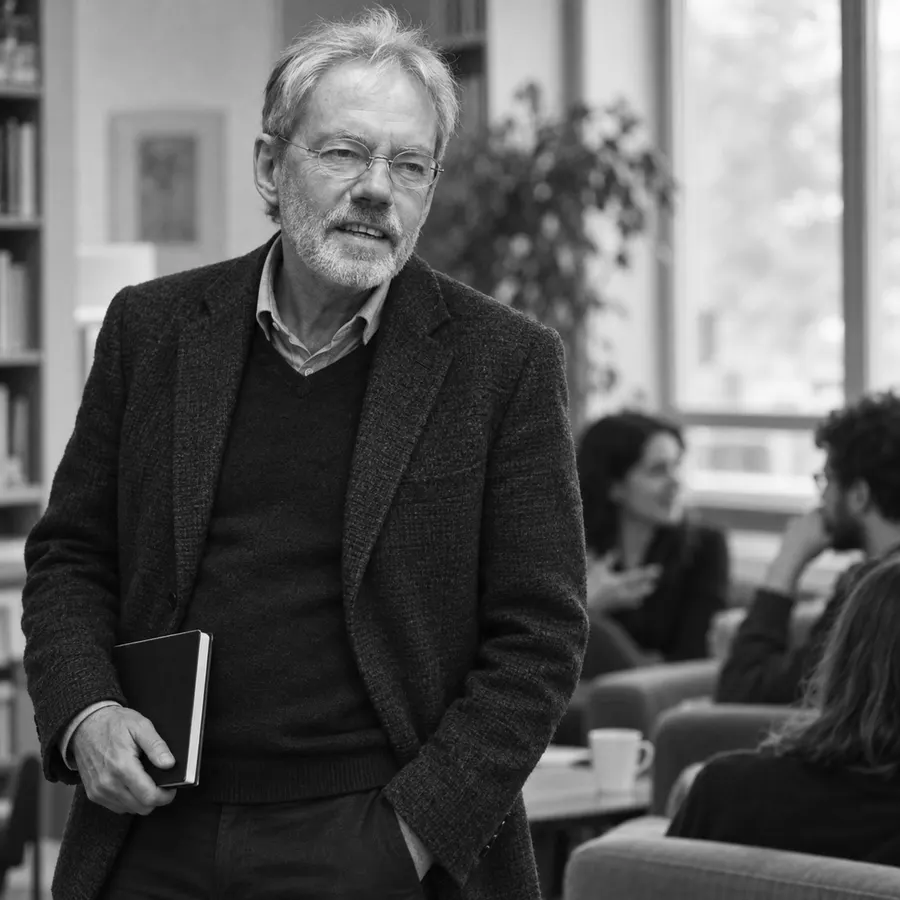
Bernard Rimé is a Belgian social psychologist, emeritus professor at the University of Louvain and still active at its Psychological Sciences Research Institute. His research programme established the social sharing of emotion: the finding that people tell someone after nearly every emotional event, quickly and repeatedly, across cultures and levels of education. His current work is on collective emotional expression at ceremonies, commemorations and mass gatherings.
Who they are
The behaviour he documented is close to universal. What he also found, and what makes his work useful rather than merely confirming, is that the behaviour does not do the thing people assume it does.
His affiliation was confirmed in the vault on 11 September 2026 against University of Louvain records.
Key papers
Rimé, B. (2009). "Emotion elicits the social sharing of emotion: theory and empirical review", Emotion Review, 1(1), 60 to 85. The standard synthesis of the programme.
Rimé, B. (2009). "More on the social sharing of emotion", Emotion Review, 1(1). A companion reply in the same issue.
Key ideas
His findings cut against the folk belief, and this site says so plainly. Sharing an emotional event does not reliably reduce the emotion. It reactivates arousal in the teller and in the listener. Prolonged, self-perpetuating sharing is a poor outcome and predicts poor recovery. See Rumination.
What sharing reliably buys is the relationship. Bonding and shared meaning are the durable benefits, not relief. That is the benefit carried on this site as the value of being heard.
He is not contradicting Matthew Lieberman, and this site does not stage it as a fight. They measure different things. Lieberman is testing a single label applied to a live stimulus over seconds. Rimé is testing narrative recounting of an autobiographical event, measured against how it feels later. The reconciliation is the useful position: naming works, recounting does not drain the feeling, and talking to a friend buys you the friend.
Both sides, stated. In favour of talking it out: people do it constantly, they report wanting to, and the social benefits are real. Against: the specific promise that talking makes the feeling smaller is not what his evidence shows. This site keeps the practice and drops the promise.
Concepts on this site
Social Sharing of Emotion, his construct
Self-Disclosure, the reward mechanism that explains why the behaviour persists anyway
Rumination, where prolonged sharing goes wrong
The Empathetic Witness is related and has no page on this site yet
Find them elsewhere
Nothing confirmed. A search was run and no website or account could be tied to this person with enough certainty to publish. A name match on its own is not evidence, and a wrong link here would be worse than none.
Checked 2026-09-11. Handles and affiliations go out of date, so treat this block as a snapshot rather than a standing fact.
Sources
- Rimé, B. (2009). Emotion Review, 1(1), 60 to 85, and the companion reply in the same issue.
- Le partage social des émotions. Not read in the vault, and nothing is asserted from it here.
- Vault record, 2026-09-11. Affiliation confirmed against University of Louvain records.