David Rubin
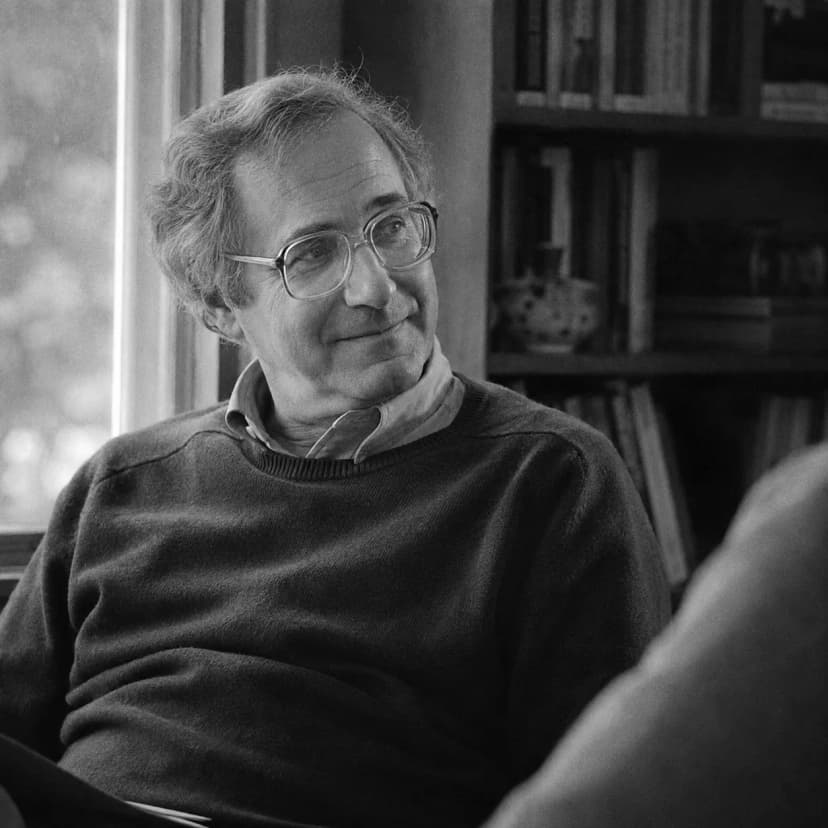
David Rubin is Professor of Psychology and Neuroscience at Duke University, and his work on how autobiographical memory is distributed across a life established the reminiscence bump: for people recalling from later in life, memories cluster between roughly the ages of ten and thirty. The distinction that matters, and that most writing on the subject misses, is that the bump decides the contents of nostalgia rather than its intensity.
Who they are
Ask an older adult to recall events from across their life and the distribution is not flat and not a simple decay curve. Recent years are well represented, as recency predicts. So is a band in adolescence and early adulthood, far out of proportion to its length. That band is the reminiscence bump, and it is one of the most reliable structural facts about autobiographical memory.
What follows from it is narrower than the uses it gets put to. The bump tells you which period a person's remembered life is disproportionately made of. It does not tell you that the period was happier, or that feeling for it is stronger than feeling for anything else. Popular accounts of nostalgia routinely slide from the first to the second, and the slide is not supported by the finding. Contents and intensity are separate questions, and the bump answers the first.
It also sits alongside the reconstructive account of memory rather than against it. That recall is assembled rather than retrieved does not make the distribution arbitrary, and the fact that the distribution has a stable shape across people is part of why the reconstruction is patterned rather than random.
Key papers
Rubin, D. C., and colleagues. The work on the distribution of autobiographical memory across the lifespan that established the reminiscence bump, memories clustering between roughly ages ten and thirty for people recalling from later life. No single citation is recorded in the vault, and this site will not supply a year, journal or sample it has not checked.
Key ideas
The reminiscence bump. Autobiographical memories cluster in adolescence and early adulthood for people recalling from later life, out of all proportion to the length of that period.
The bump governs contents, not intensity. It says what nostalgia is made of. It says nothing about how strongly it is felt.
The distribution is stable across people, which is what makes it a structural fact rather than a biographical one.
It is compatible with reconstructive memory. Assembly at recall does not imply an arbitrary distribution.
Sources
- Rubin, D. C., and colleagues. Lifespan distribution of autobiographical memory, the work that established the reminiscence bump. No single citation is recorded in the vault.
- Vault note: [[David Rubin]], which records the contents-not-intensity distinction.